








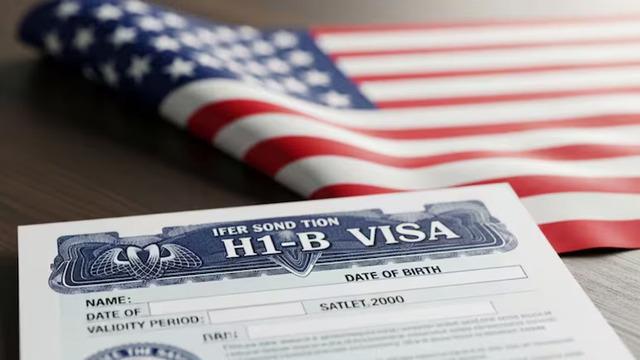
The United States government has introduced stricter screening measures for H-1B work visa applicants and their H-4 dependent counterparts, expanding enhanced vetting procedures in line with President Donald Trump’s renewed focus on immigration control and national security.
Until now, intensive background checks were largely limited to applicants seeking F, M, and J non-immigrant visas. However, under the latest directive, H-1B professionals and their family members will also undergo detailed scrutiny, according to U.S. officials familiar with the updated policy.
Digital Footprint Under Review
Under the revised framework, U.S. consular officers are required to closely examine the online presence of applicants. This includes the review of résumés, professional portfolios, and social media profiles such as LinkedIn. The aim is to identify individuals who may have previously worked in areas related to content moderation, misinformation tracking, online safety regulation, compliance, and digital fact-checking.
Officials say the scrutiny is part of a broader effort to determine whether an applicant’s professional background could be construed as involvement in activities viewed as restricting free speech—an issue that President Trump has emphasized as a key concern since returning to office.
Visa Denial for “Censorship-Related Roles”
Applicants who are found to be engaged in what the administration classifies as “censorship-related roles” may face visa denial under existing immigration laws. The State Department clarified that these strengthened checks will apply not only to first-time applicants but also to those seeking visa renewals.
The policy is expected to have a significant impact on professionals connected to technology, financial services, and social media sectors, where compliance, moderation, and regulatory roles are common.
Higher Fees and Tighter Controls
In addition to the expanded vetting, the Trump administration has also implemented substantial increases in H-1B processing fees this year. These combined measures, officials say, reflect the government’s broader commitment to safeguarding U.S. national interests and reinforcing constitutional values such as free expression.
Visa applicants are being advised to prepare for more exhaustive background checks as the new guidelines take effect, potentially lengthening processing timelines and increasing the risk of refusal for certain professional backgrounds.
Recent Random Post: