









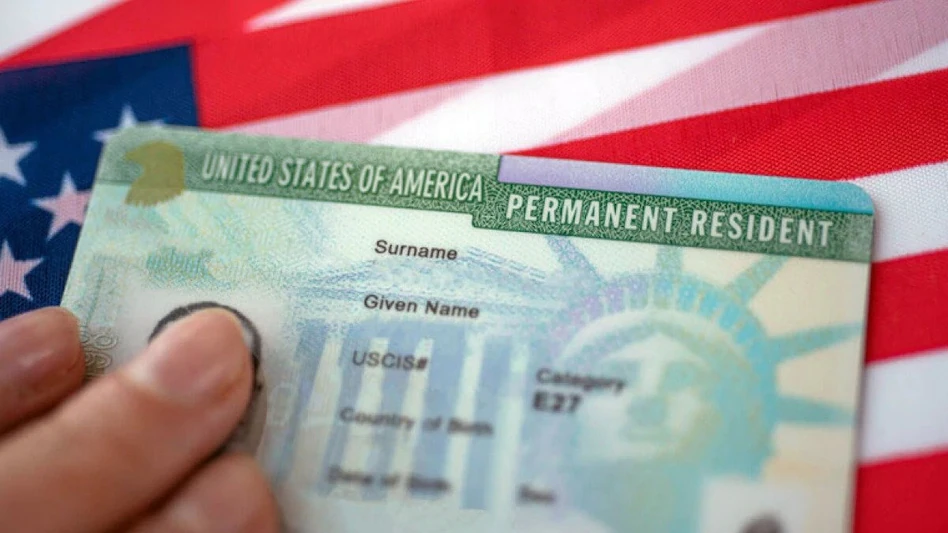
To address these issues, USCIS has placed certain categories of applications on hold, including asylum requests, diversity visa adjustment cases, and benefit applications linked to high-risk countries. The agency has also introduced enhanced identity verification through biometric checks, expanded monitoring of applicants’ social media and financial records, and reduced validity periods for some work permits to allow for more frequent reassessments.
As part of these reforms, a new initiative called Operation PARRIS has been launched to re-evaluate refugee claims through additional background checks, re-interviews, and merit-based assessments.
USCIS is also upgrading its systems to enable real-time alerts for biometric matches and newly identified criminal records before final decisions are made. At the same time, it is developing a more layered vetting model that integrates intelligence inputs, deeper criminal history checks, and advanced identity verification measures.
The agency is working closely with the State Department to conduct country-specific risk assessments, helping identify fraud patterns and security concerns. These insights will guide updated protocols for officers handling immigration cases.
Moving forward, USCIS has made it clear that applications currently on hold will only be processed after undergoing detailed scrutiny. The agency emphasized that its strengthened screening measures are aimed at ensuring that only eligible and thoroughly vetted individuals are granted immigration benefits, marking a clear shift toward stricter enforcement across the U.S. immigration system.
Recent Random Post: