








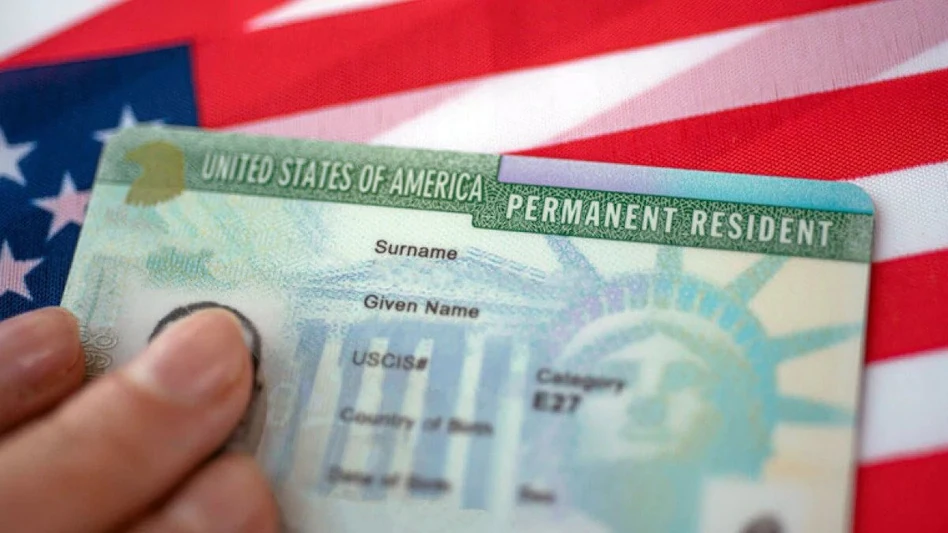
The U.S. Department of State’s Bureau of Consular Affairs has released the Visa Bulletin for January 2025, presenting significant developments for Indian green card applicants, particularly those in the employment-based (EB) visa categories. The bulletin outlines priority date advancements, offering some relief to individuals who have faced lengthy waiting periods due to high demand and visa backlogs. These changes bring the possibility of faster processing for certain applicants, many of whom have been in the queue for years.
Key Updates for Indian Applicants
Indian applicants in the employment-based categories have long been subject to extensive wait times, primarily due to high demand and limited visa availability. The January 2025 Visa Bulletin highlights positive shifts in the EB-2 and EB-3 categories for Indian nationals:
EB-2 India: The priority date moves from April 22, 2012, to October 15, 2012.
EB-3 India: The priority date advances from December 1, 2012, to December 15, 2012.
Family-Based Categories:
F1 (Family-based): Remains unchanged at November 22, 2015.
F2A (Family-based): Advances from January 1, 2022, to January 15, 2022.
These shifts offer hope to applicants who have been waiting for a long time, especially in the EB-2 and EB-3 employment-based categories.
Who Qualifies for a U.S. Green Card?
Eligibility for a U.S. green card (permanent residency) is determined by several key factors, including family relationships, employment, refugee/asylee status, and the Diversity Visa (DV) program:
Family-Based: Spouses, children, parents, and siblings of U.S. citizens or permanent residents are eligible to apply for a green card.
Employment-Based: Individuals with extraordinary abilities, top researchers, executives, and skilled workers can apply under the employment-based categories.
Refugees & Asylees: Individuals who have been granted refugee or asylum status can apply for a green card after one year of residence in the U.S.
Diversity Visa: The DV program allocates 50,000 visas annually to applicants from countries with historically low rates of immigration to the U.S.
Green Card Application Process
The green card application process typically involves two main steps:
Immigrant Petition: This petition is typically filed by a sponsor (an employer or family member) or can be self-filed in certain cases.
Green Card Application (Form I-485): Once a visa number becomes available, applicants can file Form I-485 to adjust their status to a lawful permanent resident.
For those applying through an employer, the Form I-140 petition is filed, often accompanied by a PERM labor certification to prove that there are no qualified U.S. workers available for the position.
Employment-Based Visa Categories
There are several employment-based (EB) visa categories, each with specific eligibility requirements:
EB-1: Priority workers, including individuals with extraordinary abilities, researchers, and executives.
EB-2: Professionals with advanced degrees or those possessing exceptional ability in their field.
EB-3: Skilled workers, professionals, and other workers in occupations requiring at least a bachelor’s degree or two years of experience.
Applying from Inside vs. Outside the U.S.
Applicants already in the U.S. must decide whether to pursue Adjustment of Status (Form I-485), which is filed if the applicant already has an approved petition and a visa number is available. If applying from outside the U.S., Consular Processing is required, involving several steps:
Petition approval
National Visa Center (NVC) processing
Consular interview
Visa issuance and entry to the U.S. as a lawful permanent resident
Tracking Green Card Status
Once Form I-485 is submitted, applicants can monitor the status of their green card application:
Check Case Status: Applicants can track their case status on the USCIS website.
Address Updates: It’s crucial to keep address information current to avoid delays in receiving important communications.
Delivery Tracking: Applicants can track the delivery of their green card through both the USCIS website and USPS Informed Delivery.
Conclusion
The January 2025 Visa Bulletin marks an encouraging step forward for Indian applicants, especially in the EB-2 and EB-3 categories. While family-based categories continue to face slower progress, these recent advancements provide relief to employment-based applicants. It is essential for applicants to stay informed of their priority dates and remain proactive in following the necessary steps for their green card application, whether through adjustment of status or consular processing.
Recent Random Post: