









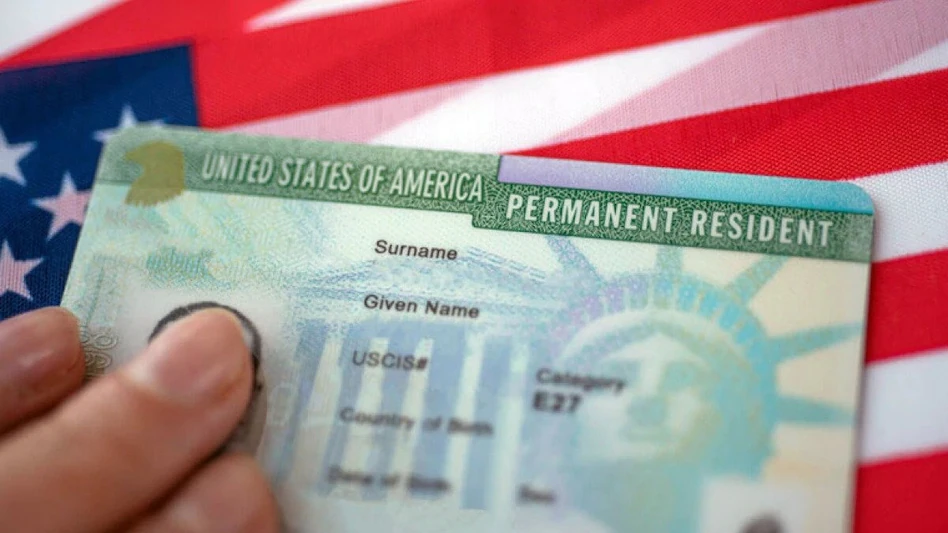
In a major policy reversal, the U.S. Citizenship and Immigration Services (USCIS) has announced a significant reduction in the validity period of Employment Authorization Documents (EADs), cutting the maximum duration from five years to just 18 months. The revised rule will take effect from December 5, 2025.
The change affects EADs issued under Form I-765, primarily impacting asylum seekers and individuals with temporary immigration status. Until now, applicants were eligible for work permits valid for up to five years under a policy introduced in September 2023. Going forward, all new EAD approvals and renewals under the covered categories will be limited to an 18-month validity period.
According to USCIS officials, the shift is aimed at enabling more frequent security vetting of foreign nationals seeking work authorization. Authorities argue that shorter validity periods will strengthen oversight and improve monitoring of applicants’ immigration status.
Importantly, EADs issued under the previous five-year policy will remain valid until their original expiration dates. The new limitation will apply only to future applications and renewals filed on or after December 5, 2025.
Part of Broader Immigration Tightening
The decision is part of a wider set of immigration restrictions under the Trump administration, which has moved aggressively to scale back humanitarian benefits. Recent measures include halting certain immigration requests, intensifying background scrutiny, and tightening entry from countries labeled as “high risk.”
H-1B Workers Unaffected, But Backlogs Likely to Worsen
Foreign professionals on H-1B visas will not be impacted by the change, as their visa status automatically grants work authorization without requiring a separate EAD.
However, immigration experts warn that the reduced validity period could significantly increase renewal filings, adding pressure to an already overwhelmed USCIS system. Asylum seekers and others dependent on EADs may face gaps in employment authorization while waiting for renewals to be processed.
USCIS is currently grappling with record case backlogs, with delays for immigrant petitions and work permits reaching a 10-year high. Critics argue that the agency’s growing emphasis on enforcement has diverted resources away from routine case processing, resulting in slower approvals and extended waiting periods.
Recent Random Post: