







Watch Youth crushed to death by train in Chirala
https://www.youtube.com/watch?v=ntSd4LAzDJ4
Recent Random Post:
Jailer 2 Nears Completion, Rajinikanth Confirms Big Update
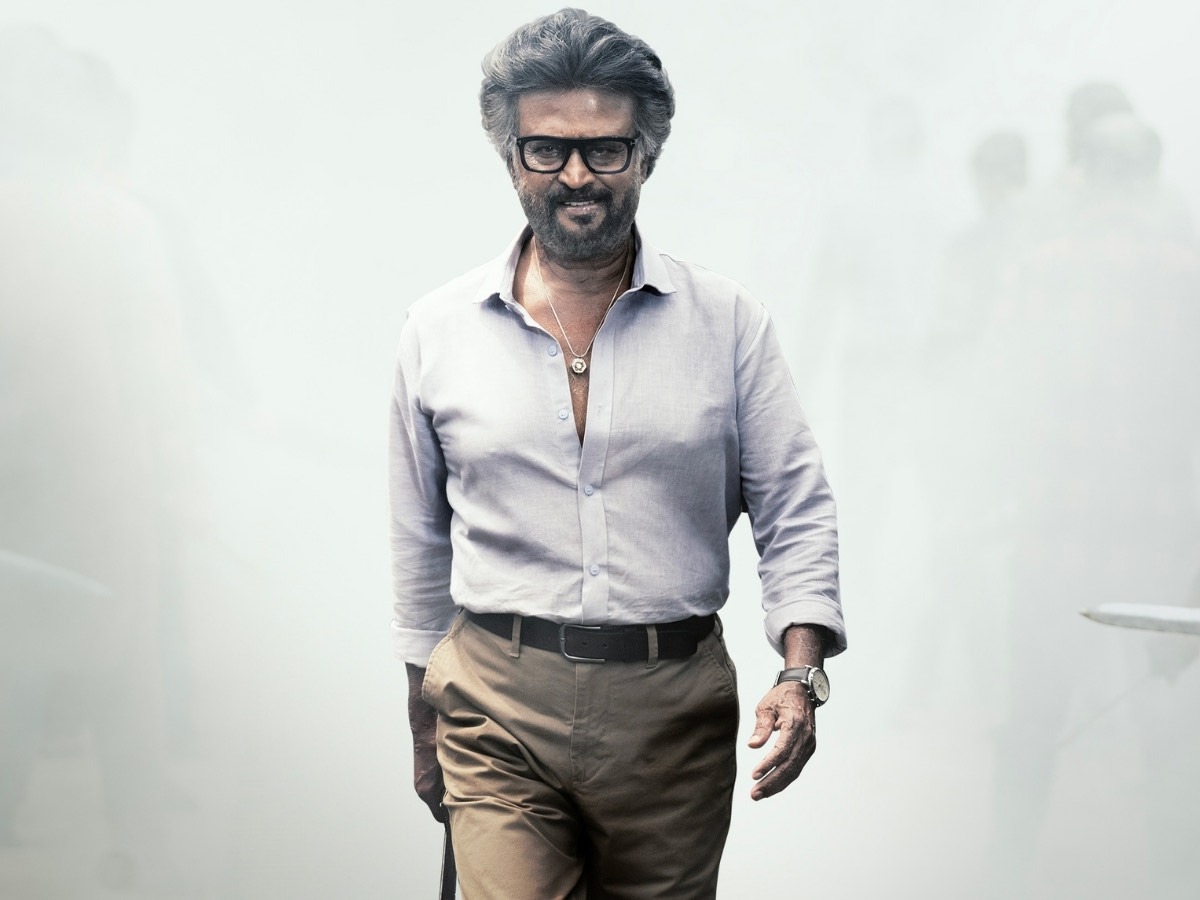
Superstar Rajinikanth has shared an exciting update about his highly anticipated film Jailer 2. Speaking to the media at the airport on Saturday, the actor revealed that the film is currently in its final stages. He added that the production house will officially announce the release date soon.
When asked about the upcoming elections, Rajinikanth chose not to comment and responded with a smile. He also confirmed that his much-awaited project with Kamal Haasan is expected to begin in August.
Directed by Nelson Dilipkumar, Jailer 2 has already generated massive buzz among fans and film enthusiasts. The first installment, Jailer, turned out to be a blockbuster, grossing around ₹650 crore worldwide. It also recorded one of the biggest openings in Rajinikanth’s career, with impressive overseas collections on day one.
The sequel is said to be shaping up on similar lines, promising high-octane action and entertainment. Produced by Sun Pictures, the film’s shooting commenced on March 10 last year.
Ramya Krishnan reprises her role as Vijaya Pandian (Viji), the wife of Rajinikanth’s character Muthuvel Pandian. Actors like Mirnaa, Mohanlal, and Vijay Sethupathi are also playing key roles in the film.
Music for the sequel is composed by Anirudh Ravichander, whose work was a major highlight of the first film. With strong expectations riding on it, Jailer 2 is poised to be another big entertainer.