

ఏపీ రాజకీయాలను షేక్ చేస్తున్న షేక్ హ్యాండ్! | Pawan Kalyan | Kodali Nani
Recent Random Post:
Political Debate Intensifies Over Jagan’s Policy Shifts and Leadership Image
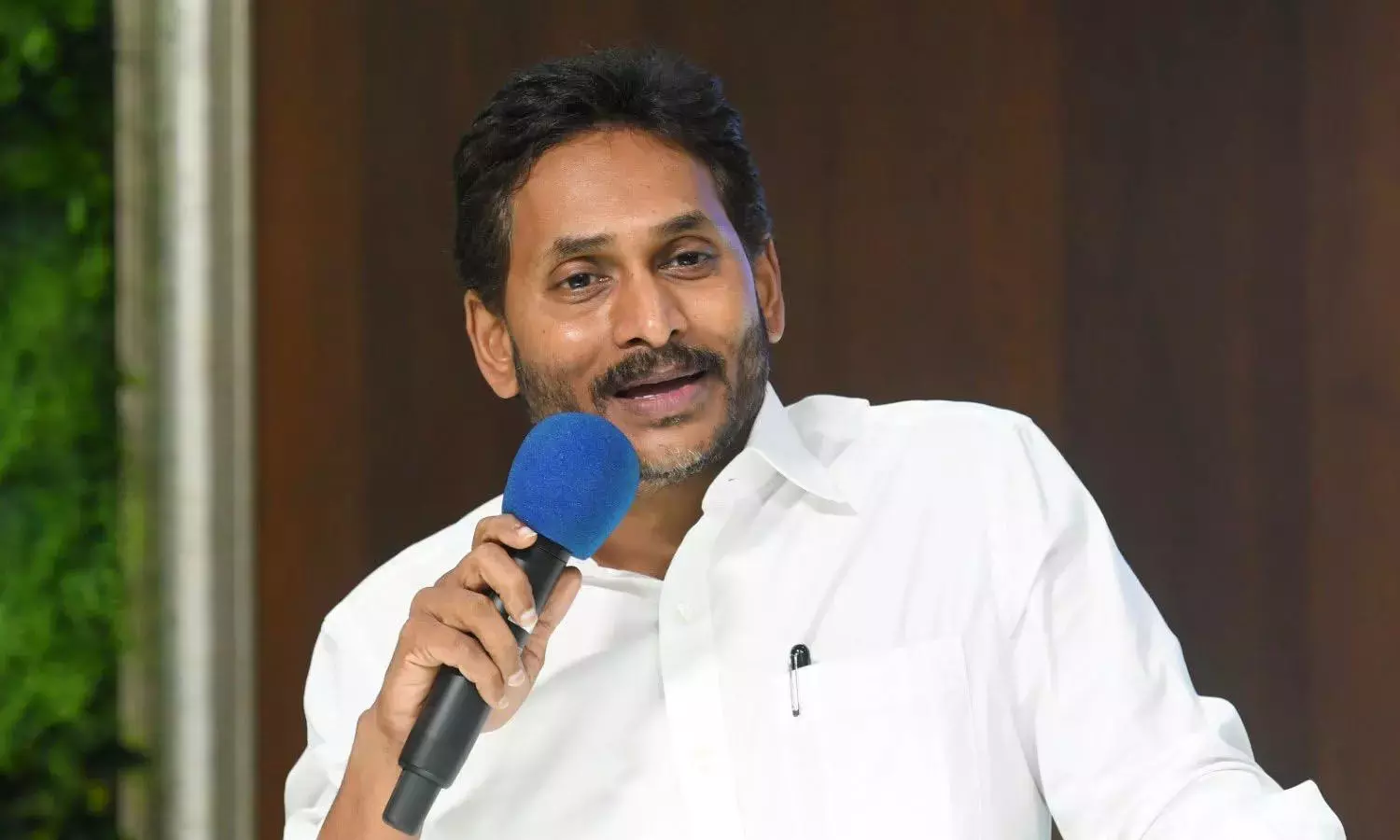
Chandrababu Naidu’s current term is yet to complete even two years in office. In fact, even before the first year of this tenure, YSR Congress leaders had been organising large-scale public meetings during Jagan Mohan Reddy’s tours, attempting to project a strong wave of anti-incumbency against the government.
There was a clear belief within the YSR Congress ecosystem that such a sentiment was building against the ruling party. However, irrespective of whether that perception was organic or politically staged, it now appears that much of it may have been undermined by the party’s own actions.
Particularly after Jagan Mohan Reddy’s remarks on “MA-VI-GUN,” political observers feel that the former Chief Minister has exposed a sense of inconsistency in his positioning. Until recently, there were various narratives suggesting that his electoral setback could be attributed to factors like delimitation, Sharmila’s influence, or the combined strength of Chandrababu Naidu, Pawan Kalyan, and Narendra Modi. However, another perspective gaining traction is that any political setback for Jagan would largely be self-inflicted.
The “MA-VI-GUN” episode is being cited as an example of indecisiveness in leadership style. Analysts argue that voters do not merely respond to welfare schemes but also expect clarity, consistency, and long-term vision from political leaders. While YSR Congress and its supporters believed that welfare politics alone would secure electoral support, the 2024 results suggested otherwise.
Critics also point to shifting stances on key issues such as the state capital. Jagan Mohan Reddy initially highlighted Amaravati, later supported the “three capitals” model, and subsequently appeared to shift positions again, including references to MA-VI-GUN and the Uttarandhra development plan. Such changes are being interpreted by some observers as a lack of policy consistency.
In contrast, Chandrababu Naidu is noted for maintaining his stance on Amaravati even after the 2019 electoral defeat, despite political setbacks in key regions. Supporters argue that such consistency reflects strong and decisive leadership, regardless of political outcomes.
Overall, the debate surrounding the capital issue and policy shifts is now extending beyond governance and is influencing perceptions of leadership credibility. Political observers suggest that these developments could have a broader impact on Jagan Mohan Reddy’s political image.