
Geostrategist Brahma Chellaney has raised sharp questions over what he describes as the inconsistent approach of the United States toward Iran and Pakistan. In a column for The Hill, he argued that Washington’s policies toward the two nations defy logic despite their comparable political and security profiles.
Chellaney pointed out that both Iran and Pakistan are Islamic republics with authoritarian tendencies, histories of strained relations with Washington, and alleged links to transnational militant networks. However, he noted a stark contrast in how the US engages with them. While Iran continues to face sanctions, threats, and restrictions on civilian nuclear capabilities, Pakistan has largely avoided similar levels of pressure despite developing nuclear weapons and being accused of supporting proxy groups.
He further highlighted that the term “Islamic Republic,” often associated in Western discourse primarily with Iran, was actually adopted earlier by Pakistan in 1956—well before Iran’s 1979 revolution. According to him, this distinction exposes a deeper inconsistency in US strategic thinking rather than explaining its policy choices.
Chellaney argued that Washington has long treated Iran’s nuclear ambitions as a major global threat, demanding not only that Tehran abandon nuclear weapons development but also halt uranium enrichment altogether. In contrast, Pakistan—described as the only country to have built nuclear weapons while allegedly fostering militant proxies—has not faced comparable scrutiny or sanctions.
At the same time, he noted a shift in tone within the US security establishment. For the first time, American intelligence agencies have reportedly placed Pakistan alongside major strategic competitors like China, Russia, North Korea, and Iran as a potential missile and nuclear threat to the US homeland. Despite this classification, Pakistan continues to retain its status as a “major non-NATO ally,” highlighting what Chellaney sees as a contradiction in US policy.
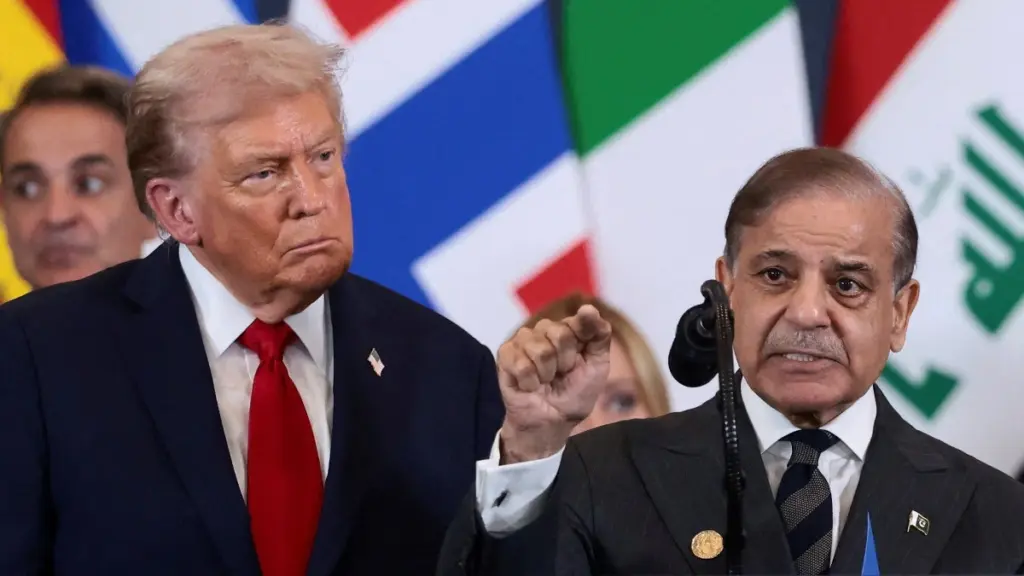
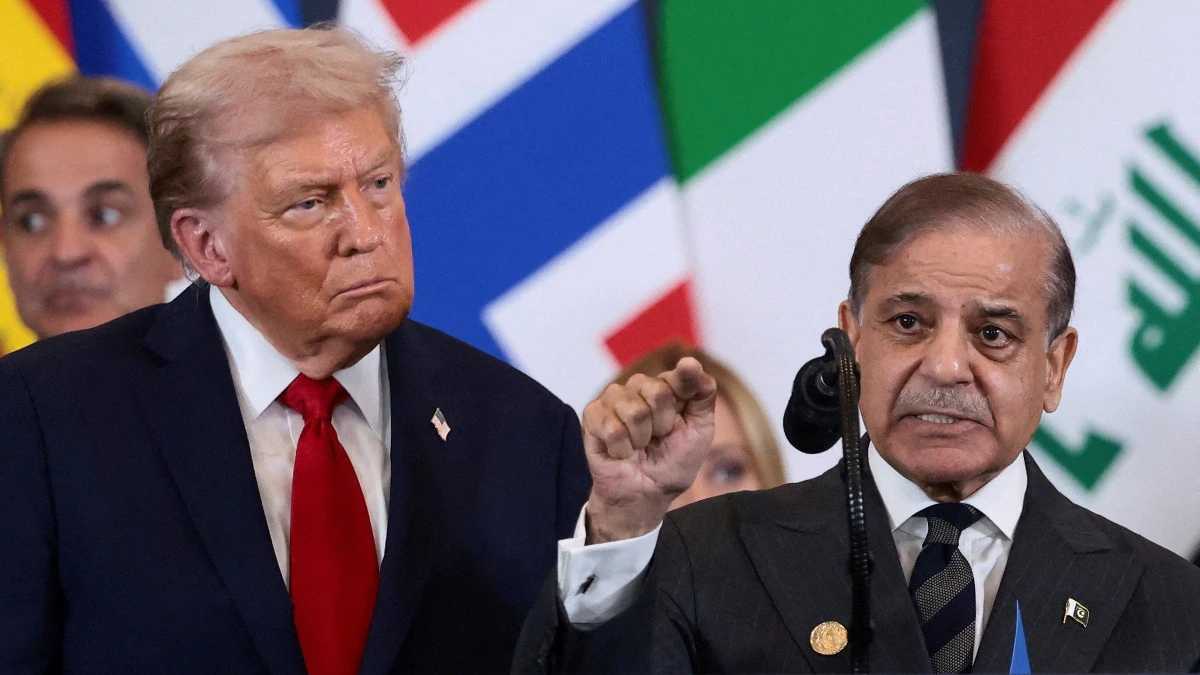
The analysis also touches on political dynamics within Pakistan, referencing the consolidation of power by its military leadership. Chellaney observed that despite concerns over democratic backsliding, including the actions of Army Chief Asim Munir, US political responses have remained relatively muted. He contrasted this with Washington’s continued hardline stance toward Iran, including strong rhetoric and actions from figures like Donald Trump.
Overall, Chellaney’s argument underscores what he views as a selective and inconsistent application of US foreign policy principles—raising broader questions about strategic priorities, geopolitical calculations, and the balance between security concerns and diplomatic pragmatism.