









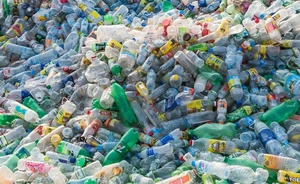
Sydney, Feb 19 (IANS) – Researchers from Curtin University in Western Australia have urged global action to curb the burning of plastic for heating and cooking in developing nations, citing severe health and environmental risks. The study, reported by the Xinhua news agency, highlights the increasing reliance on plastic as a fuel source in regions across Africa, Asia, and Latin America due to a lack of traditional energy alternatives.
According to the research team, many households in developing countries are unable to afford cleaner fuels such as gas. Furthermore, rapid urbanization has made traditional fuels like wood and charcoal scarce, while plastic waste remains abundant, leading to its widespread use as an alternative energy source.
Health Risks of Plastic Combustion
Bishal Bharadwaj, lead researcher from the Curtin Institute for Energy Transition (CIET), emphasized the dangers of burning plastic, which releases toxic chemicals such as dioxins, furans, and heavy metals into the air. Exposure to these pollutants can cause severe health conditions, including respiratory diseases and other long-term health complications.
“The risks are particularly pronounced among women and children, as they spend more time at home,” Bharadwaj noted. A survey conducted in Nigeria revealed that 13 percent of households reported using garbage as cooking fuel. Additionally, soil and food samples analyzed from Indonesia contained hazardous levels of toxins linked to plastic burning.
A Growing Global Challenge
The study warns that the issue will continue to escalate, with two-thirds of the global population expected to reside in urban areas by 2050 and plastic consumption projected to triple by 2060. Without intervention, the increasing reliance on plastic as fuel in impoverished communities will pose significant health and environmental threats.
Potential Solutions and Policy Recommendations
Peta Ashworth, director of the CIET, highlighted that the issue is most prevalent in underprivileged areas such as slums. She cautioned that implementing an outright ban on burning plastic may not be a feasible solution. Instead, she suggested a multi-faceted approach, including:
Subsidizing cleaner fuels: Making affordable and sustainable energy options accessible to low-income families.
Improved waste management: Enhancing waste collection and recycling efforts to minimize plastic waste accumulation.
Educational initiatives: Raising awareness about the health risks of plastic combustion and promoting safer alternatives.
The researchers call for global cooperation among governments, non-governmental organizations, and environmental agencies to address this pressing issue and implement sustainable solutions that prioritize public health and environmental conservation.
Recent Random Post: