• Home
  • News
    • Film News
    • Other News
    • Political News
    • Andhra News
    • Telangana News
    • Popular
  • Videos
    • Movie Trailers
    • Short Films
    • Movie Events
  • Interviews
  • Photos
    • Actress Photos
    • Event Photos
    • Movie Photos
    • Exclusive Photos
  • Reviews
Search
Sign in
Welcome! Log into your account
Forgot your password? Get help
Password recovery
Recover your password
A password will be e-mailed to you.
ManaTelugu ManaTelugu.com – Telugu Movie and Pilitical News
ManaTelugu ManaTelugu
  • Home
  • News
    • AllFilm NewsOther NewsPolitical NewsAndhra NewsTelangana NewsPopular

      Kavitha Announces ‘TRS’ Party Amid Legal Uncertainty and Political Tensions

      Satya’s Jet Lee Promises a Fun Suspense Ride

      Gayapadda Simham Trailer Launch Set with Dulquer Salmaan as Chief Guest

      Renu Desai Clears Air on Kids’ Diet & Height

  • Videos
    • Movie Trailers
    • Short Films
    • Movie Events
  • Interviews
  • Photos
    • Actress Photos
    • Event Photos
    • Movie Photos
    • Exclusive Photos
  • Reviews
    • Michael Jackson Biopic Feels Incomplete Yet Engaging

      Thimmarajupalli TV Review: Honest Attempt

      Papam Prathap Review: Missed Opportunity

      Bad Boy Karthik Review: Outdated Comeback

      Dacoit Review – Routine Love Heist Drama

Advertisement
Home Technology Meta Quietly Tests Photo Scanning Feature on Facebook
  • Technology

Meta Quietly Tests Photo Scanning Feature on Facebook

June 30, 2025
Share


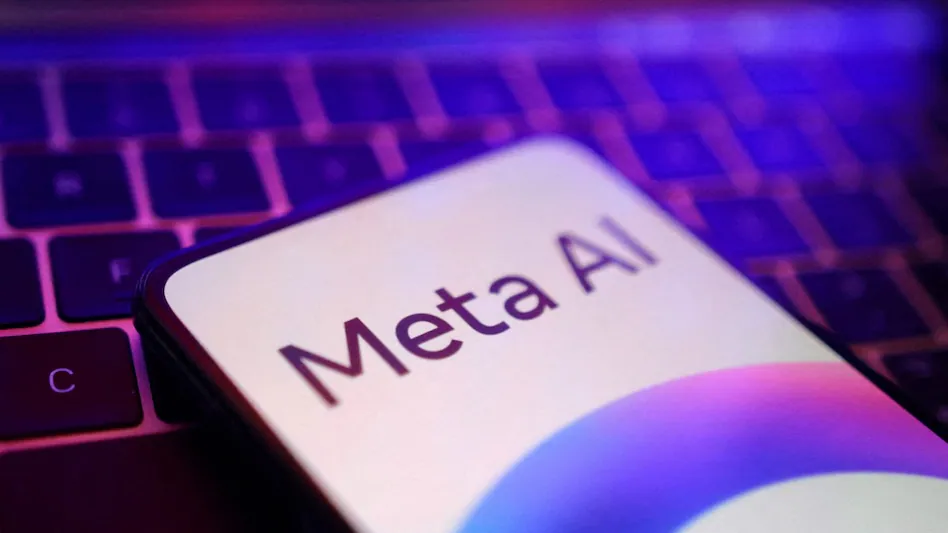
Meta is quietly testing a new Facebook feature that grants the platform access to users’ device photo libraries—including images and videos that have never been shared online. This development has raised serious privacy and transparency concerns among users and digital rights advocates.

Initially reported by TechCrunch, the feature appears as a pop-up prompt when some Facebook users attempt to upload a Story. It invites them to enable “cloud processing,” a capability that allows Meta to automatically scan and upload images from a user’s device gallery to its cloud servers. In return, users are offered AI-generated tools such as themed collages, memory recaps, and personalized filters for events like birthdays or holidays.

While the offering is positioned as a creative enhancement, opting in grants Meta sweeping access to a user’s camera roll. This includes metadata (such as timestamps and location), facial recognition data, and object detection—effectively transforming the user’s private gallery into a rich source of information for Meta’s artificial intelligence systems.

What’s particularly troubling is the rollout’s opacity. Meta has not issued a formal announcement or press release. Aside from a low-profile help page for Android and iOS users, the feature has emerged with little notice, leaving many users unaware of what they are consenting to. Once enabled, the upload process continues quietly in the background, raising concerns that private, unpublished content may be processed or analyzed without fully informed user consent.

Meta insists that the feature is optional and reversible. Users who disable cloud processing will reportedly have their unpublished media deleted from Meta’s servers within 30 days. However, the company has not definitively ruled out using this content for AI training in the future. Moreover, its updated AI Terms of Service—effective since June 23, 2024—do not clearly address whether data collected via this method is exempt from AI training applications.

This isn’t Meta’s first foray into large-scale data collection for AI. The company has previously acknowledged scraping public content from Facebook and Instagram to train its generative models. However, the boundaries between public and private data remain murky, especially as Meta increases its reliance on user-generated content to refine its AI tools.

The potential implications are even more significant in countries like India, where mobile devices often store sensitive information such as personal IDs, family photos, and confidential documents. Critics argue that the lack of localized explanations or language support may leave non-English-speaking users at heightened risk.

As Meta prepares for a possible global rollout, digital rights experts warn that the move could rekindle debates about algorithmic transparency, digital consent, and ethical data usage in the AI era.


Recent Random Post:
  • TAGS
  • AI and digital ethics
  • AI-powered surveillance
  • cloud photo backup controversy
  • digital consent
  • Facebook AI filters
  • Facebook camera roll scan
  • Facebook cloud feature
  • Facebook cloud upload
  • Facebook photo scanning
  • Facebook privacy issues
  • Meta AI data collection
  • Meta AI feature
  • Meta AI privacy
  • Meta cloud processing
  • Meta data transparency
  • Meta generative AI
  • personal data and AI
  • tech privacy concerns
  • unpublished photo access
  • user data privacy
Previous articleTrump Signals TikTok Deal Pending China’s Approval
Next articleKim Jong-un, Russian Minister Pledge Deeper Cultural Ties
admin

More Film News

Satya’s Jet Lee Promises a Fun Suspense Ride

April 24, 2026

Gayapadda Simham Trailer Launch Set with Dulquer Salmaan as Chief Guest

April 24, 2026

Renu Desai Clears Air on Kids’ Diet & Height

April 24, 2026

Ritika Nayak Stuns in Bold Low-Light Photoshoot

April 24, 2026

Neha Shetty Shines in Elegant Gold Look

April 24, 2026

More Political News

Kavitha Announces ‘TRS’ Party Amid Legal Uncertainty and Political Tensions

April 25, 2026

AAP MPs Set to Merge with BJP in Rajya Sabha Shock...

April 24, 2026

Driver Sets Himself Ablaze, Revanth Govt Under Pressure

April 24, 2026

Vijay’s TVK Faces Crucial Test After Record Poll Turnout

April 24, 2026

Emotional Farewell to Nadendla Bhaskara Rao with State Honors

April 23, 2026
  • Home
  • DMCA
  • Privacy Policy
  • Contact Us
©