





Sanjana Anne About Politics In Bigg Boss House? | #PrimeTimeWithMurthy
How Did You Get Chance To Participate In Bigg Boss, Is There Any Politics Behind Selections?
How They Put Unknown Persons In One Jail And One Bed, Is It Write?
Why You Are Not Open Up In First Week At Bigg Boss House?
It’s Conform The Bigg Boss Title Winner Is Deepthi: Nutan Naidu
Recent Random Post:
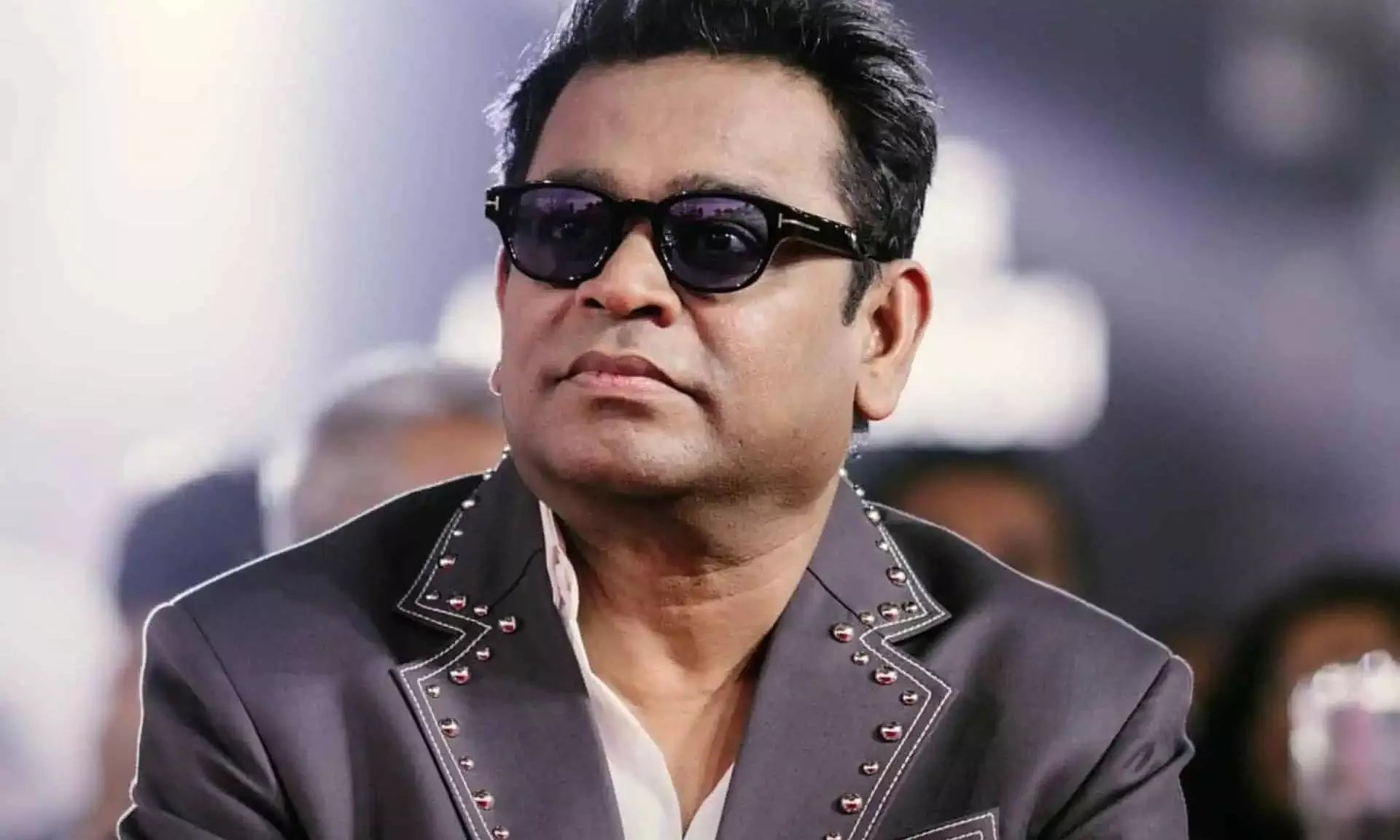
A. R. Rahman Sparks New Trend with Profit Share Deal in Films
Profit sharing has long been an alternative financial model in the film industry, where actors and directors opt for a percentage of a film’s profits instead of, or in addition to, a fixed remuneration. Over time, producers have adapted to this system with structured agreements, ensuring a balanced outcome for both parties. Today, many top-tier actors and filmmakers across industries continue to follow this model for big-budget projects.
Now, this trend appears to be extending to music composers as well. According to industry buzz, Oscar-winning composer A. R. Rahman has taken a significant step in this direction. He is reportedly charging a record-breaking fee for Ranbir Kapoor’s upcoming two-part epic Ramayana, while also securing a share in the film’s profits.
If true, this could mark a first in Indian cinema—where a music director becomes part of a film’s profit-sharing model. Given Rahman’s legacy of delivering blockbuster soundtracks and impactful background scores, the makers may see this as a justified investment.
However, this shift could have wider implications for the industry. With actors, directors, and now potentially composers demanding profit shares, producers may face increasing financial pressure. Allocating profits across multiple key contributors could significantly impact their margins, especially in high-budget films.
Moreover, several leading composers already command hefty remuneration. If profit sharing becomes a norm among music directors too, it could further escalate production costs and financial risks for filmmakers.
While this evolving model reflects the growing value of creative talent, it also raises important questions about sustainability and profit distribution in the long run.