



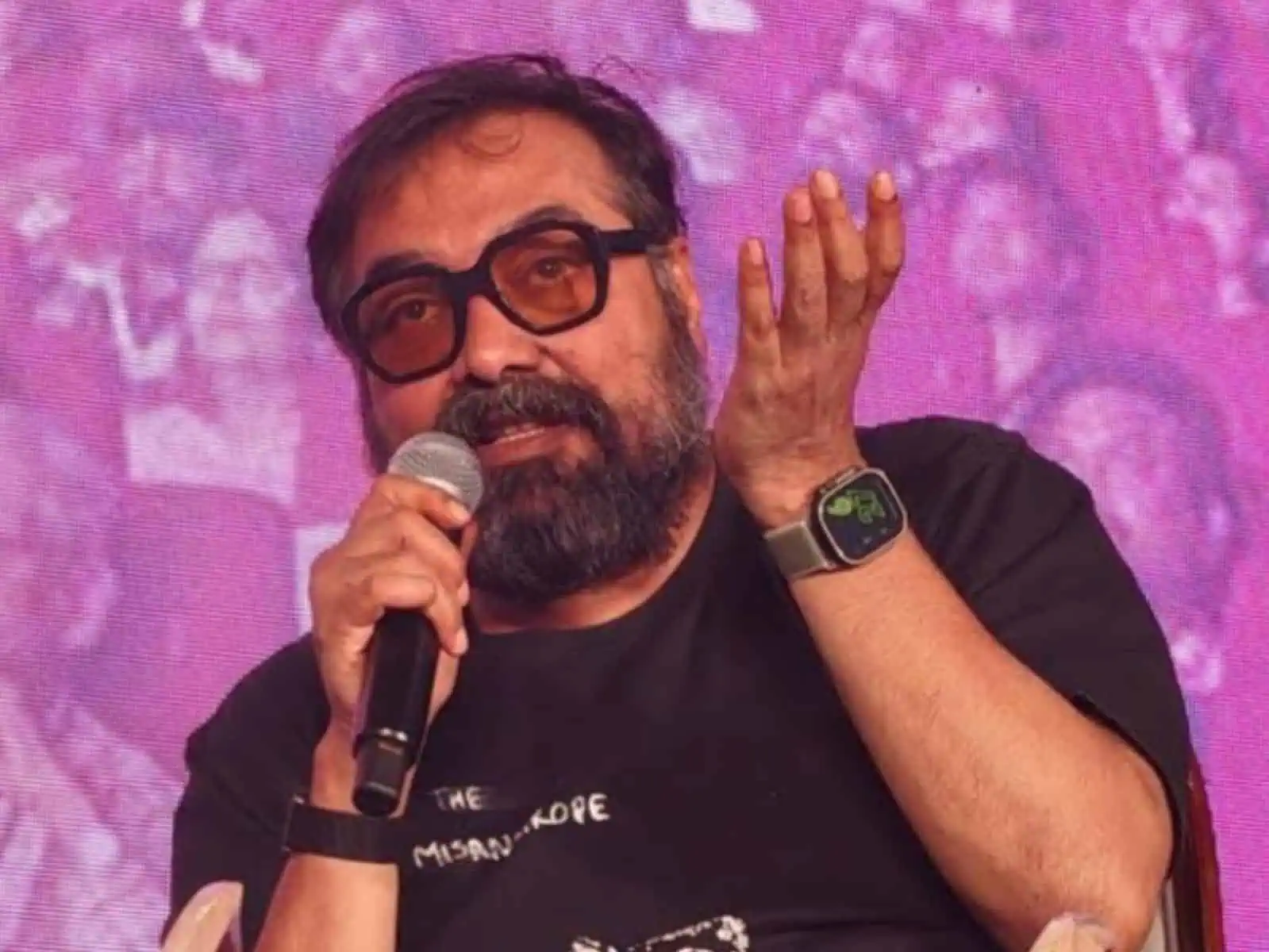
Acclaimed filmmaker Anurag Kashyap, who earned immense respect in Bollywood with path-breaking films like Black Friday and Gangs of Wasseypur, has seen a noticeable slowdown in his career momentum in recent years. After a few setbacks and growing frustration with controversies in the industry, he reduced his theatrical ventures and began focusing more on web-based content. However, his association with Netflix turned out to be far more challenging than expected.
In a recent interview, Anurag revealed that he spent over a year and a half writing a script for a project intended for Netflix. He invested significant personal funds and dedicated himself completely to developing the story. Shockingly, he claimed that the project was approved without the team fully understanding the script. Despite repeatedly requesting them to read it thoroughly and engage with the material, he felt that no one took the effort seriously. Eventually, the platform went silent on the project, leaving it in limbo.
He further shared that Netflix later asked him to direct a different script. Since he was not convinced about the quality of the new material, he requested additional time to refine it. However, he alleges that the platform pressured him to move forward quickly, pointing out that actors had already allotted dates and schedules were locked. The mounting pressure reportedly added to his stress levels.
In another instance, when Netflix appreciated a separate script he had written, they allegedly asked him to modify it in the style of an Indian version of Money Heist. Anurag, known for his distinct and uncompromising storytelling voice, strongly disliked the idea of reshaping his creative vision to fit a commercial template inspired by an existing global hit.
The prolonged stress during this entire phase severely impacted his health. Anurag revealed that he suffered two heart attacks and had to be placed on blood-thinning medication. He also mentioned experiencing side effects after taking the COVID vaccine, which further complicated his health condition. His candid remarks highlight the immense emotional, financial, and professional pressures filmmakers often face while dealing with large streaming platforms and high expectations. Behind the scenes, creative professionals frequently navigate vulnerable situations where artistic integrity and corporate demands collide.





Dil Raju: “Producers No Longer Command Authority”
On the occasion of legendary producer Atluri Purnachandra Rao’s 90th birthday celebrations, Dil Raju made some striking observations about the changing dynamics of the film industry. Speaking openly from the dais, he remarked that the era when producers commanded authority and respect seems to have faded away.
He pointed out that traditionally, producers were the ones who invested money and created opportunities, while artistes received remuneration and recognition. In that system, those who “took” respected those who “gave.” But today, according to him, the trend appears reversed, with artistes increasingly commanding producers.
His comments have drawn attention because they reflect a widely discussed reality in today’s hero-driven industry. Producers often shoulder the financial burden and risks of filmmaking, yet star heroes tend to wield significant influence over creative and commercial decisions. From selecting heroines and directors to approving music composers and technicians, many key choices are often centered around the lead actor.
However, industry observers argue that this situation did not emerge overnight. There was a time when towering stars like N. T. Rama Rao and Akkineni Nageswara Rao enjoyed massive fan followings, yet they functioned within a system where producers maintained command and final authority. The shift, many believe, happened gradually as producers themselves began accommodating the growing demands and preferences of star heroes.
By consistently yielding to star power and prioritizing market-driven decisions, producers may have inadvertently strengthened the very imbalance they now question. That is why Dil Raju’s remarks are being interpreted by some not as a plea for sympathy, but as a reflection of “swayam krutaparadham” — a situation shaped by one’s own actions.
His candid words have once again reignited debate about power structures in the film industry and whether a healthier balance between creative control and financial responsibility can be restored.