










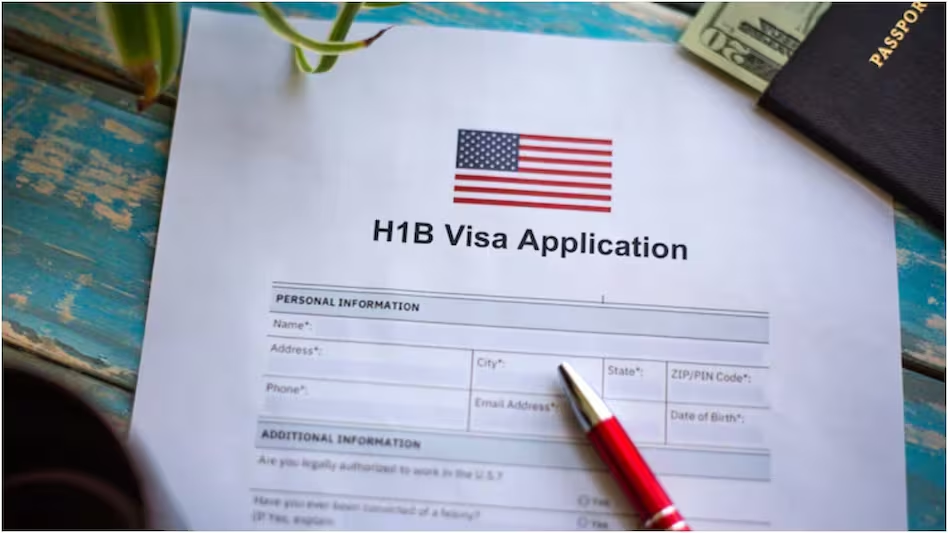
H-1B visa registrations for fiscal year 2027 have seen a sharp decline, with filings estimated to be down by 30 to 50 percent compared to last year. The drop comes as the application window closes, reflecting a noticeable shift in employer behavior under revised rules.
The decline has particularly impacted large IT outsourcing firms and start-ups. However, immigration experts believe the changes are also reshaping the hiring landscape, potentially creating new opportunities for smaller and mid-sized employers.
A more cautious approach from companies appears to be a key factor behind the reduced numbers. Reports suggest that many employers held back due to increased visa fees and uncertainty surrounding modifications to the lottery system. Shilpa Malik noted that filings in her experience dropped by nearly 50 percent, while other experts estimate the decline at around 30 percent.
The revised system is expected to benefit a different group of applicants. Master’s degree holders in the United States are likely to gain the most, along with mid-sized companies willing to offer higher salaries for specialized roles. Smaller firms, which previously struggled to compete with bulk applications from large outsourcing companies, may now have a better chance. With a more level playing field, these employers feel they have a fair shot at securing skilled talent.
The registration window officially closed on March 19, and the selection process is set to begin soon. The United States Citizenship and Immigration Services is expected to notify selected applicants by March 31, 2026, through their online accounts.
Each year, the United States issues 85,000 H-1B visas under its annual cap—65,000 for specialty occupations requiring at least a bachelor’s degree, and an additional 20,000 reserved for applicants holding a master’s degree or higher from a US institution.
















Trump Claims Iran Secretly Seeking US Deal
Donald Trump has claimed that Iran is quietly seeking a deal with the United States, even as it remains reluctant to acknowledge it publicly. Speaking at a House Republican dinner, Trump said sustained US pressure has pushed Tehran toward negotiations.
“They are negotiating, and they want to make a deal so badly, but they’re afraid to say it,” he remarked, suggesting that Iranian leaders fear internal backlash for openly pursuing diplomacy.
Trump also highlighted what he described as major US military successes against Iran, stating that American actions had significantly weakened Tehran’s capabilities. He pointed to strikes on Iran’s nuclear infrastructure, asserting that such operations were crucial in halting its nuclear ambitions.
According to Trump, these moves prevented Iran from acquiring a nuclear weapon within a short timeframe. He framed the developments as a strategic victory for the United States, emphasizing that curbing Iran’s nuclear program remains a central objective of US policy.
Overall, Trump portrayed the situation as a turning point, claiming that recent actions had reshaped the conflict and pushed Iran closer to negotiations.