









Rebel Saab Fans Festival Event Live | The Rajasaab | Prabhas | Maruthi | Thaman S
India Nominates M. Revathi for Top ITU Leadership Role

India has officially nominated M. Revathi, Joint Wireless Adviser in the Department of Telecommunications’ Wireless Planning and Coordination (WPC) wing, for the position of Director of the Telecommunication Standardisation Bureau (TSB) at the International Telecommunication Union (ITU) for the 2027–2030 term.
Revathi, a seasoned expert in telecommunications and space technology, joins a competitive field of global candidates from France, Japan, Germany and other nations. Her candidacy was announced at the World Telecommunication Development Conference 2025 (WTDC-25) in Baku, Azerbaijan. The TSB leadership role is pivotal in shaping international telecom standards and regulatory frameworks at a time when global digital infrastructure is evolving at unprecedented speed.
Her nomination comes amid intensifying competition in the commercial satellite communications sector. With systems such as Starlink, Amazon Project Kuiper, and other private constellations rapidly expanding their presence, concerns are growing over the shrinking availability of orbital resources. Although outer space is recognised as a shared global asset under the Outer Space Treaty of 1967, experts caution that the dominance of corporations from developed nations risks widening the digital divide and restricting equitable access for emerging economies.
Speaking at the High-Level Segment on Day 1 of WTDC-25, Minister of State for Communications C.S. Pemmasani highlighted India’s nomination as part of its broader strategy to strengthen the voice of the Global South. He emphasised India’s role as a bridge between developed and developing nations, calling for fair access to digital technologies and stronger frameworks for technology transfer that support low- and middle-income countries.
With the ITU’s election process now in motion, the final vote will take place during the ITU Plenipotentiary Conference (PP-26) in Doha, Qatar, in November 2026. The result will play a crucial role in shaping the future of global digital governance and influencing how nations protect their digital sovereignty in the years ahead.
Nothing OS 4.0 Rolls Out with Android 16 and New AI Features

Nothing has officially started the public rollout of Nothing OS 4.0, its Android 16–based update that delivers a more refined interface, deeper system coherence, and the company’s first wave of AI-driven creative tools through the new Essential Apps framework.
Built on the foundation of OS 3.0, the latest version preserves Nothing’s signature visual style while elevating design, interactivity, and device intelligence.
Key Highlights of Nothing OS 4.0
• Live Updates via Glyph Interface
Real-time ride, delivery, and timer updates can now appear simultaneously on the display and Glyph lights. Any app supporting Android 16’s Live Updates automatically integrates with Glyph Progress, greatly expanding compatibility.
• Enhanced Extra Dark Mode
A deeper, more power-efficient Extra Dark Mode now extends across system elements and first-party apps like Essential Space and Launcher, with wider third-party support on the way.
• Revamped Animations & Interactions
System animations have been overhauled for more depth and fluidity. Touch, swipe, and gesture responses feel more connected, while app transitions feature subtle background scaling. Volume controls now offer soft haptic feedback at their limits.
• New Widget Options & Multitasking Tools
The update introduces additional widget sizes, including 1×1 and 2×1 options for Weather, Pedometer and Screen Time. A redesigned Pop-up View enables running two floating apps at once, and Hidden Icons allow a cleaner home screen without sacrificing quick access.
• Phone (3) Exclusives
Users of Nothing Phone (3) gain unique features such as upgraded Flip to Glyph functions, improved Pocket Mode, new interactive Glyph Toys like Hourglass and Lunar Cycle, and a Glyph Mirror Selfie option that saves both mirrored and original shots.
Nothing OS 4.0 is rolling out first for Phone (3), with support for other Nothing and CMF devices coming soon.
AI-Powered Creation with Nothing Playground
Nothing is also expanding its Nothing Playground ecosystem. Users can now describe an idea in the Widget Builder and let AI generate a custom Essential App. These creations are housed in the new Widget Drawer, introduced with OS 4.0, which neatly organises all built and collected tools in one place.
New Zealand Launches New Business Investor Work Visa for 2025

New Zealand is set to open a significant new gateway for affluent global migrants through its Business Investor Work Visa, launching 24 November 2025. The visa provides up to four years of residency and a built-in mechanism to transition to permanent settlement, marking a major expansion of the country’s investment-led immigration options.
A More Involved Route for Investors
Designed for high-net-worth individuals keen on contributing directly to New Zealand’s business ecosystem, the new pathway requires applicants to invest in a local company and take an active managerial role. New Zealand’s appeal—its wildlife, landscapes, and cultural identity—has long attracted global travellers, and this program aims to convert that interest into sustainable economic participation.
The scheme offers two investment tracks:
NZD $1 million (~USD $567,300) for a three-year work-to-residency pathway
NZD $2 million (~USD $1,134,480) for a fast-tracked one-year route
Both tracks require an additional NZD $12,380 application fee and hands-on business involvement. After completing the required operating period, applicants may seek permanent settlement through the Business Investor Resident Visa.
Applicant Requirements and Business Criteria
To qualify, applicants must demonstrate:
At least NZD $500,000 (~USD $283,700) in personal maintenance funds
Proven business experience, which may include owning a company generating NZD $1 million in annual revenue or employing five full-time staff
Active participation in business management throughout the visa period
Investments must be made into businesses that are:
At least five years old
Legally operating in New Zealand
Employing five or more full-time workers
Valued at NZD $1 million or more (excluding property and GST)
Able to offer the investor 25% or greater ownership
Certain sectors remain prohibited, including gambling, tobacco, fast-food franchises, and businesses already owned by the applicant or their family.
Comparison With the Active Investor Plus Visa
The Business Investor Work Visa sits below New Zealand’s premium “golden visa”—the Active Investor Plus Visa—which demands substantially higher capital commitments:
NZD $5 million for higher-risk investments
NZD $10 million for lower-risk investments
This premium route is ideal for investors seeking a more passive approach. Interest remains strong: after threshold reductions earlier this year, the category received 189 applications in three months, with US investors accounting for 45%.
In contrast, the new Business Investor Work Visa targets applicants wanting a more engaged, hands-on investment experience within New Zealand.
More Pathways Coming Soon
New Zealand’s immigration system is expanding its toolkit for innovators and global talent. Immigration Minister Erica Stanford has confirmed work is underway on a visa for startup entrepreneurs with scalable and innovative business ideas. Additionally, remote professionals can enter the country for up to 90 days under the existing digital nomad visa, which carries no minimum income requirement.
FAQs: New Zealand’s New Business Investor Work Visa
What kind of business can you invest in?
Your chosen business must:
Be 5+ years old
Be legally operating in New Zealand
Employ a minimum of five full-time staff
Be purchasable for at least NZD $1 million (excluding property value and GST)
Offer 25% or more ownership to the investor
You cannot invest in:
Gambling enterprises
Tobacco-related companies
Fast-food franchises
Any business already owned by you or your family
Businesses used for prior investor visas in the past 10 years
What requirements must you meet?
You must:
Be 55 years or younger
Actively participate in the business
Create at least one full-time job for a New Zealand citizen or resident
Demonstrate English proficiency
Be in good health and of good character
Have 3+ years of acceptable business experience
Be a “fit and proper person” (no fraud or serious legal issues)
Acceptable business experience includes:
Running a business or NGO with 5+ employees, or
Managing a business generating NZD $1 million revenue, OR
Holding a senior management role in a firm with 5+ employees and NZD $5 million turnover
Timeline: How the Four-Year Visa Works
Year 1 – Establishment Stage
You must:
Purchase the nominated business
Begin operating it
Provide proof of investment and active involvement within nine months
Failure to meet these obligations results in the visa ending at the 12-month mark.
Years 2–4 – Operating Stage
You must:
Continue running and growing the company
Maintain full compliance with tax, employment, and reporting rules
A one-time extension of up to two years is available if needed.
What happens after completing the investment period?
You may apply for the Business Investor Resident Visa, provided you have:
Completed the required investment
Operated the business for the designated period
Met job creation and compliance obligations
Partners and dependent children can later be included in the residency pathway.
What documents are required?
Passport and photographs
Proof of investment funds and lawful earnings
Proof of reserve funds
Detailed Business Proposal
Independent business valuation
Legal due diligence report
Medical examination and chest X-ray
Police certificates
English language test results (if applicable)
Can your family join you?
Yes. Eligible accompanying family members include:
Your partner
Dependent children
They must meet health and character criteria. English proficiency is only assessed at the residency stage.
“A 16-Year H1B Struggle: One Immigrant’s Journey from Uncertainty to Stability”

A deeply moving personal account shared on Reddit has struck a chord with thousands of NRIs who have spent years navigating the uncertainties of the H1B visa system. The post chronicles a 16-year journey marked by layoffs, visa anxieties, long periods of family separation, and the emotional strain of living in perpetual limbo.
The individual’s story begins in 2006, when he arrived in the United States with “two bags and no plan.” His first breakthrough came the following year with a successful H1B lottery selection, but joining a New Jersey consulting firm quickly revealed the realities of exploitation. Paid $28 an hour while being billed at $75, he recalls accepting the imbalance out of fear of losing legal status. “When you’re on H1B, you don’t think about fairness — you think about staying legal,” he wrote.
The 2009 recession brought his first major setback: a sudden layoff while his wife was six months pregnant. Escorted out of the building without warning, he spent days hiding the news from his parents, overwhelmed by fear and guilt. It took weeks to find another role and years more to transition into a stable, full-time position that would finally secure his I-140.
In 2017, a routine visa stamping turned into a three-month ordeal when the Hyderabad consulate issued a 221G administrative processing notice. With no explanation or timeline, he remained stranded in India while his wife managed their two young daughters in the U.S. The situation became bearable only because of a supportive manager who allowed him to work remotely until his visa was approved.
Reflecting on what sustained him through the grind, he credits consistent upskilling, maintaining a six-month emergency fund, cultivating genuine relationships, and tracking career achievements with discipline. He also acknowledges mistakes—staying silent too long, relying on fear-driven decisions, and remaining in consulting longer than necessary.
When his green card was finally approved in 2022, the emotion he felt was not triumph but relief — “a long, overdue exhale.” Today, he describes himself as “comfortable,” able to live and travel with his family without constantly checking his bank balance.
His message to fellow immigrants is simple yet profound: “You’re not imagining the stress. You’re not weak, or alone. Speak up earlier. Don’t stay where your energy dies. And when your approval comes — take a moment. You earned it.”
“Choodu Choodu: A Soulful Start for Godari Gattupaina”
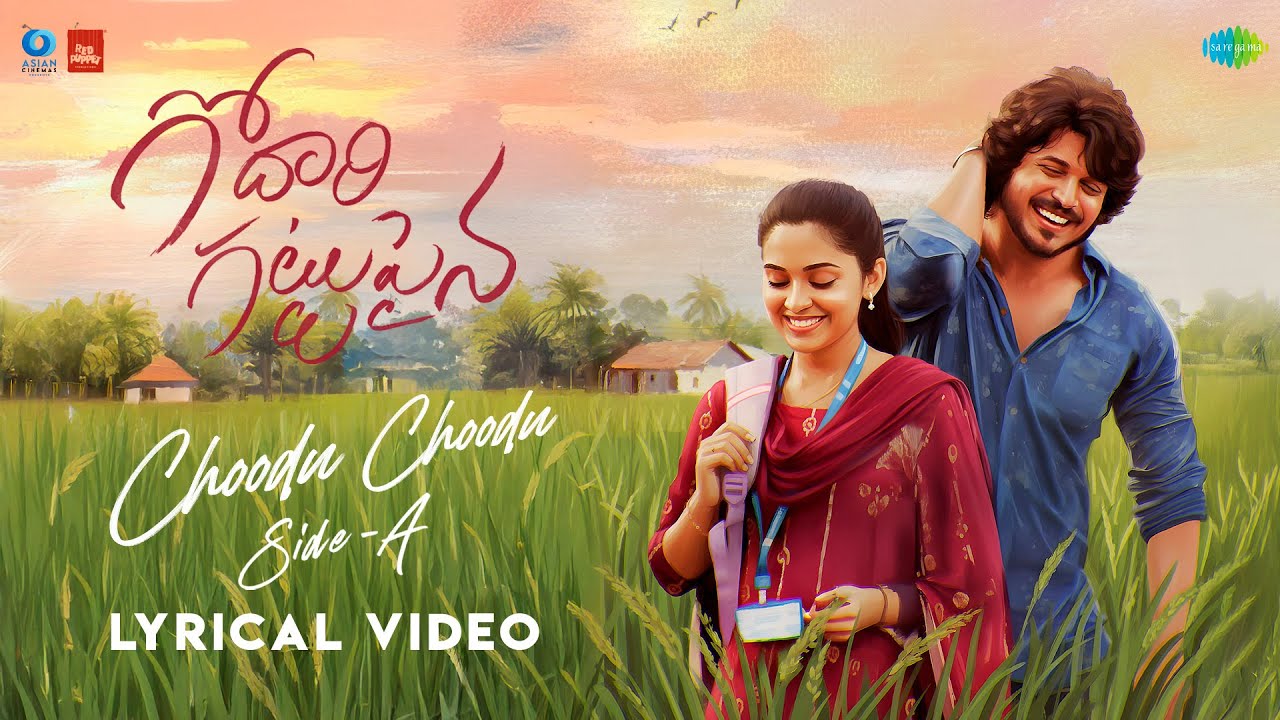
Sumanth Prabhas, known for Mem Famous, returns with a rustic love story and wholesome entertainer titled Godari Gattupaina, directed by debutant Subash Chandra under Red Puppet Productions. After generating curiosity with the First Breeze, the team has now released the first single, “Choodu Choodu.”
Composer Naga Vamshi crafts a soothing and soulful melody, enriched with graceful orchestration that instantly sets a pleasant tone. Hari Charan’s heartfelt vocals elevate the track, while Dinesh Kakkerla’s evocative lyrics beautifully capture Sumanth Prabhas’s tender affection for Nidhi Pradeep, subtly highlighting the heroine’s confident and charming persona.
Sai Santosh’s cinematography enhances the song’s impact, offering visuals that perfectly complement the music while showcasing the film’s rustic backdrop. Sumanth Prabhas adds vibrant appeal with his expressive performance and energetic dance moments. Overall, “Choodu Choodu” serves as an impressive and promising beginning to the film’s musical journey.
Chandrababu Naidu and Revanth Reddy Unite at Puttaparthi Saibaba Centenary Celebrations
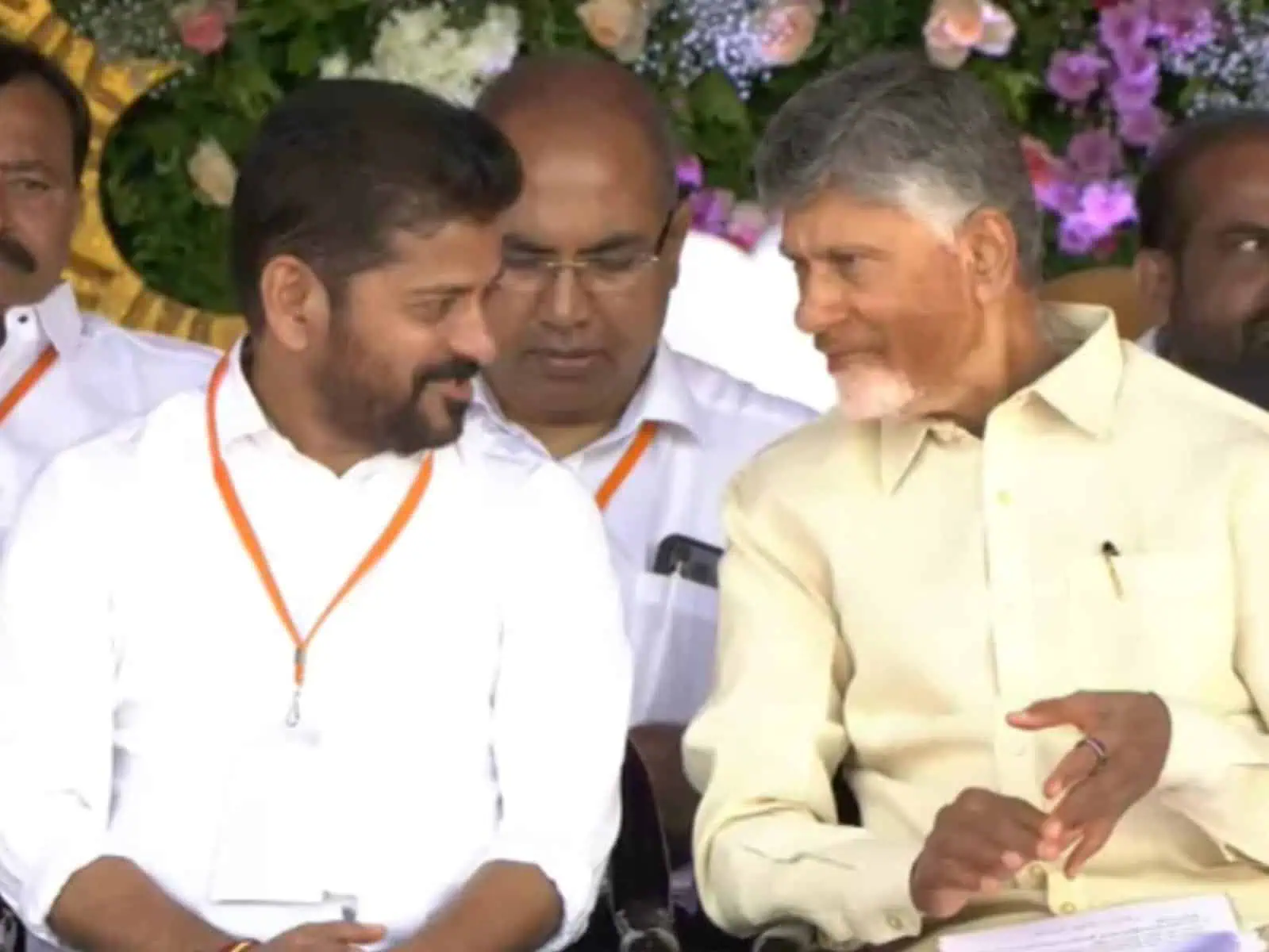
The Chief Ministers of the Telugu states, N. Chandrababu Naidu of Andhra Pradesh and A. Revanth Reddy of Telangana, have been making several joint public appearances lately. After sharing the stage at the recent Ramoji Excellence Awards, the duo once again came together at the Centenary Celebrations of Puttaparthi Saibaba.
Their presence at the prestigious event created a memorable moment for supporters, especially those aligned with the TDP, as both leaders share roots in the party’s political legacy. The celebrations, held with great honour by the Andhra Pradesh government, witnessed the participation of several political leaders, dignitaries, and prominent personalities.
Allari Naresh: Rise, Reinvention, and the Struggle for a Strong Second Innings
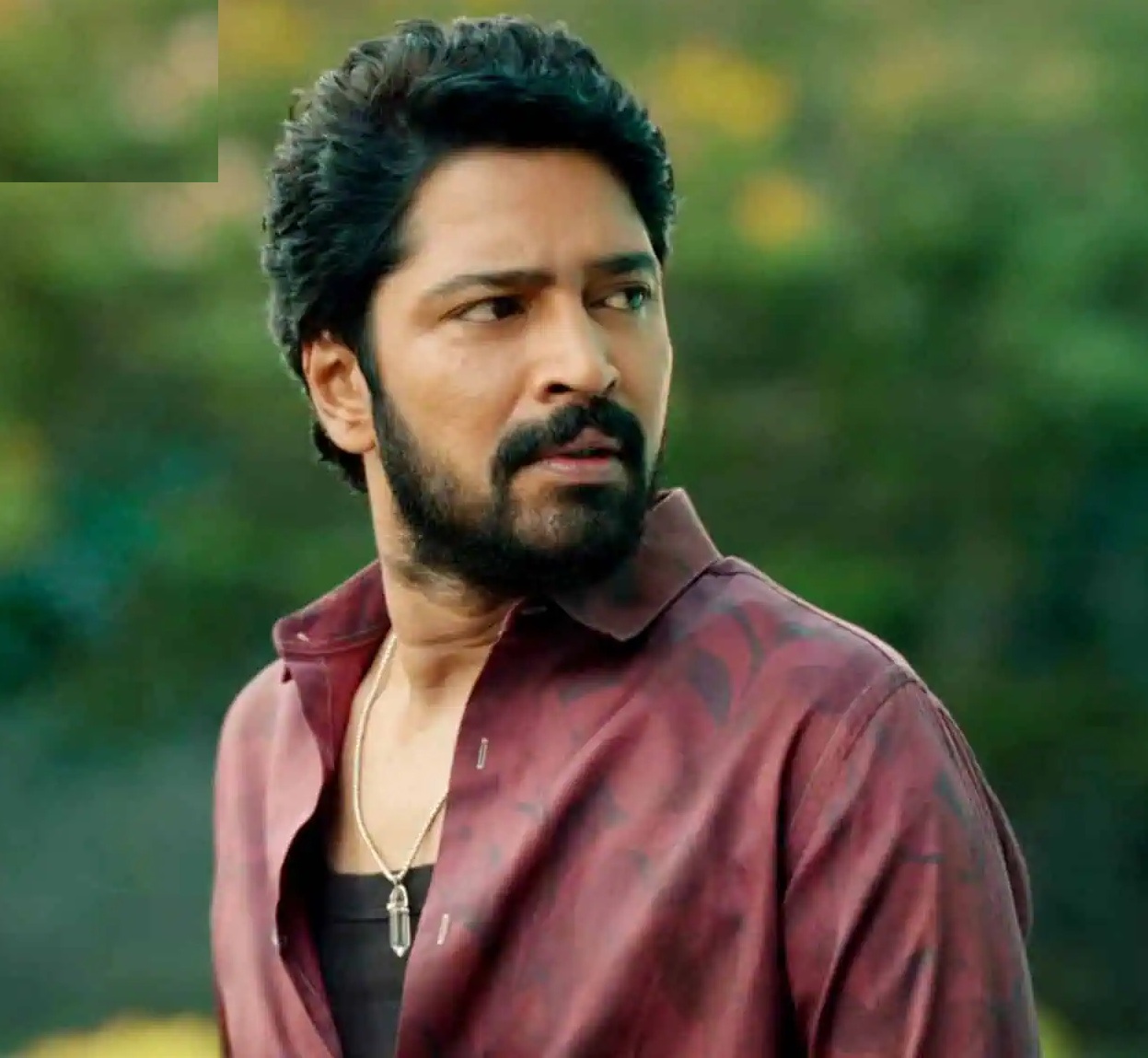
There was a phase in Telugu cinema when Allari Naresh stood as one of the most reliable entertainers. After Rajendra Prasad’s signature comedy era slowed down, Naresh revived the space with his light-hearted humour and effortless timing. For nearly a decade, he delivered consistent laughter through films like Allari, Thotti Gang, Kithakithalu, Bend Apparao, and Sudigadu, creating a unique comedy niche that belonged solely to him.
However, the formula eventually lost steam. Post Sudigadu, audience preferences shifted, and the rise of high-voltage TV comedy shows changed the viewing landscape. The craze for Naresh’s signature style faded, compelling him to explore new directions.
His transition to serious roles began with Maharshi and took full shape with Naandi, which earned him critical acclaim and marked a hopeful new chapter. But the momentum didn’t sustain. Films like Itlu Maredumilli Prajaneekam, Ugram, Aa Okkati Adakku, and Bachhala Malli failed to make an impact. Even his decent supporting role in Nagarjuna’s Naa Saamiranga did little to strengthen his position as a solo lead actor.
Today, Allari Naresh stands at a crucial point—admired for his past, respected for his talent, and still searching for the right project to solidify his second innings.
Raashi Khanna Shines in Golden Saree as ‘120 Bahadur’ Faces Slow Start

Raashi Khanna’s 120 Bahadur has had a slow beginning at the box office, collecting only ₹5.60 crore in its first two days despite a modest Saturday rise. With a weak opening and relatively high production costs, the film is struggling to build the momentum it needs.
Amid the box office chatter, Raashi Khanna unexpectedly drew major attention with a new photoshoot. Draped in a soft golden saree that balances simplicity and elegance, she captivated viewers with her classic styling. The jewellery, hair, and her serene expression blended beautifully with the warm, vintage backdrop—so much so that the images ended up generating more buzz than the film’s performance.
Anil Ravipudi: The Consistent Hitmaker of Modern Telugu Cinema
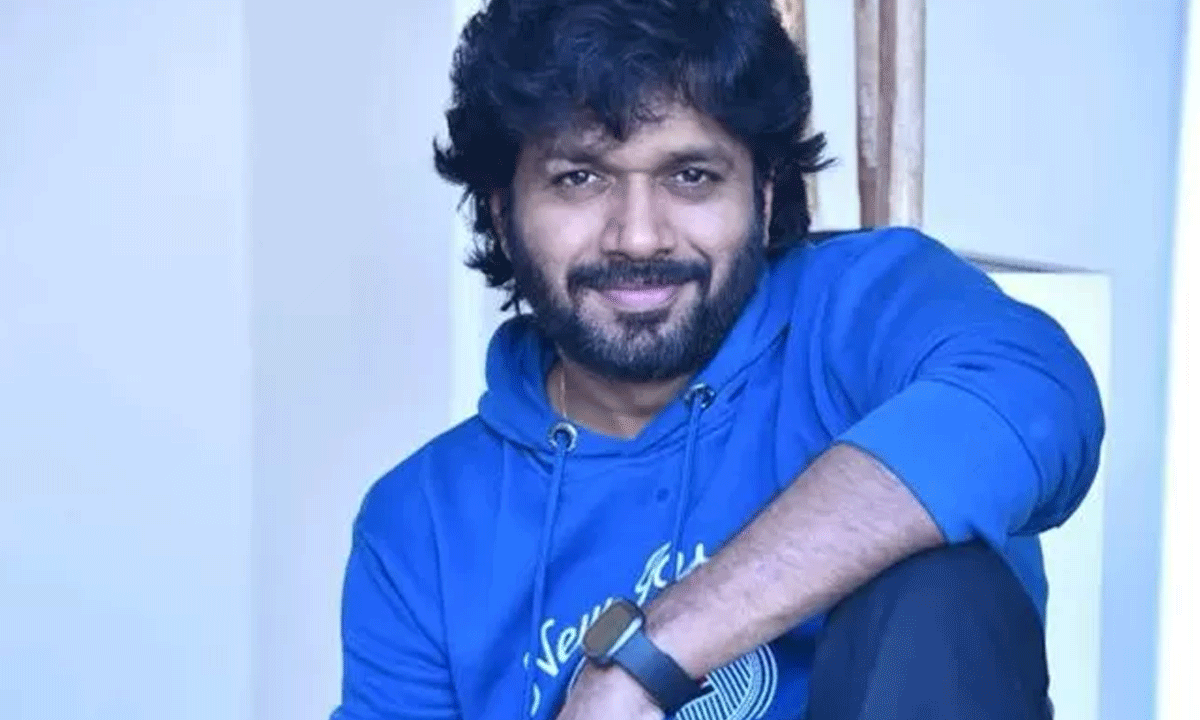
Anil Ravipudi stands among the rare directors in Telugu cinema who have maintained a remarkable 100% success rate throughout their career. For over a decade, he has delivered one blockbuster after another while keeping pace with evolving content trends, emerging talents, and the rapidly changing tastes of audiences. With eight films to his credit—all of them box-office successes—Anil has established himself as one of the most reliable commercial filmmakers of this generation.
He made a powerful debut with Nandamuri Kalyanram’s Pataas and continued to innovate with films like Supreme and Raja The Great. His family entertainers F2 and F3 solidified his strong connect with family audiences, while his collaboration with Victory Venkatesh resulted in three major blockbusters. Anil also displayed his command over action and emotion through star-driven projects such as Mahesh Babu’s Sarileru Neekevvaru and Nandamuri Balakrishna’s Bhagavanth Kesari.
As a commercial filmmaker, Anil firmly believes that cinema’s true purpose is to draw audiences to theatres, and he has remained committed to that philosophy. Despite his long streak of hits, he continues to stay grounded, humble, and generous with credit.
His promotional strategies have always been impactful, and he once again created nationwide buzz by presenting Megastar Chiranjeevi in peak comic form through the Meesala Pilla song from Mana Shankara Vara Prasad Garu (MSG). This year’s Sankranti blockbuster Sankrantiki Vasthunnam, a pure Telugu regional entertainer, further proved that authentic regional cinema can earn national appreciation—even on OTT.
On the occasion of his birthday, we wish Anil Ravipudi continued success and a triple hat-trick of blockbusters with MSG this coming Sankranti.
Movie Piracy Threatens Tollywood: The Ongoing Battle Against MovieRulz
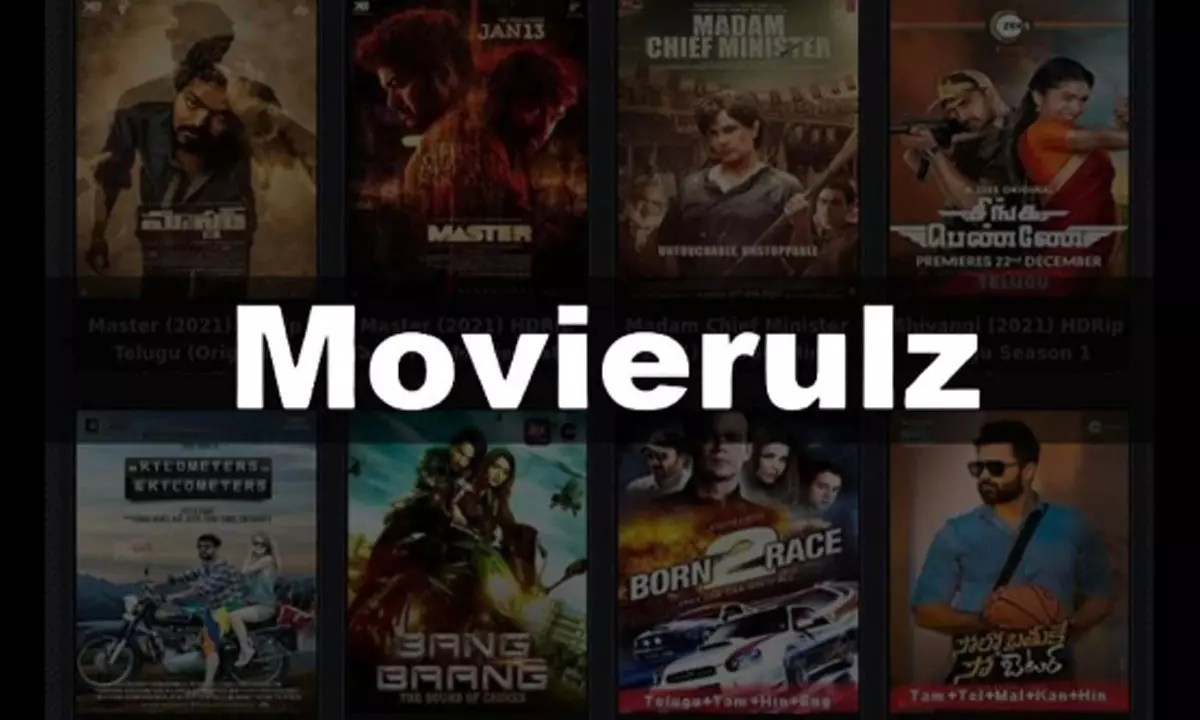
Movie piracy continues to pose a major threat to the Telugu film industry. Despite law enforcement blocking several illegal platforms such as iBOMMA and Bappam TV, piracy websites like MovieRulz are still operating fearlessly. These platforms are causing substantial financial damage to producers, distributors, and theatre owners.
MovieRulz frequently changes its domains and server locations to evade authorities, openly challenging cybercrime units. Newly released films are being uploaded within hours of their theatrical debut, and in some cases, even before the first day concludes. Most pirated copies are recorded inside theatres using hidden cameras, resulting in poor-quality videos that directly impact box office performance and reduce theatre footfall.
Hyderabad police recently arrested Immadi Ravi, the mastermind behind piracy networks like iBOMMA and Bappam TV. Investigations revealed that he earned crores through illegal content distribution and betting advertisements. Authorities seized multiple bank accounts and exposed his lavish lifestyle funded by piracy operations.
Experts warn that piracy platforms not only damage the film industry but also pose severe risks to users. These websites often carry malware, deceptive advertisements, and fraudulent links capable of stealing personal information or money. With piracy networks becoming more advanced and highly organised, Tollywood continues to face an uphill battle in protecting new film releases.

పవన్ కళ్యాణ్ తో 20 ఏళ్ల స్నేహం ఉంది.! | Vijaya Sai Reddy Interesting Comments On Pawan Kalyan
పవన్ కళ్యాణ్ తో 20 ఏళ్ల స్నేహం ఉంది.! | Vijaya Sai Reddy Interesting Comments On Pawan Kalyan