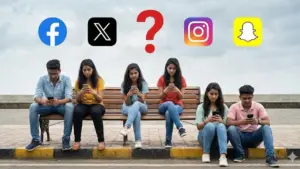
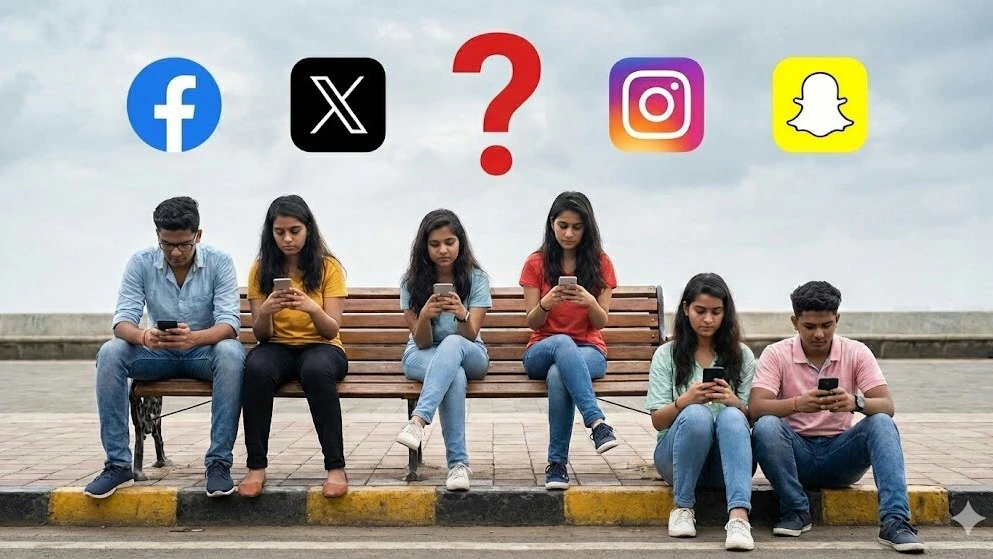
On March 30, India’s Ministry of Electronics and Information Technology proposed a set of stricter regulations targeting both big tech companies and user-generated news content, signaling a significant shift in how online information may be governed in the country.
According to the proposal, news and current affairs content shared by users on social media platforms could come under government oversight. Authorities may be empowered to review, modify, or even take down such content if required. The proposal specifies that Part III (Rule 8) of the IT Rules will now extend beyond formal publishers and platforms to include individuals such as influencers and content creators who post news-related content. Previously, these rules were primarily applicable only to registered publishers.
While the move brings user-generated news into the regulatory framework, the ministry has clarified that it does not directly regulate individual users. Instead, it expands the scope of accountability within the broader digital ecosystem.
At the same time, the proposal introduces stricter compliance requirements for major technology companies, including Meta, Google, and X. These platforms will be required to treat government advisories and clarifications as part of their “due diligence” obligations. Failure to comply could result in the loss of legal protections in India, making them liable for user-generated content hosted on their platforms.
The ministry has opened the proposal for public feedback until April 14, stating that the amendments are primarily clarificatory and procedural in nature. According to the official note, the goal is to improve legal certainty, strengthen enforceability of government directions, and ensure effective oversight of online content, especially in the news and current affairs segment.
This proposal comes amid a series of recent regulatory changes in India’s digital space. The government has already reduced the deadline for platforms to remove flagged content from 36 hours to just three hours and introduced new rules addressing AI-generated content and deepfakes, aiming to enhance user safety and curb misinformation.
However, the proposal has sparked concern among digital rights advocates. The Internet Freedom Foundation has raised objections, warning that making government advisories binding could blur the distinction between guidance and law. The group argues that such changes may expand government control over online platforms and content.
The foundation also expressed concerns about the potential impact on freedom of speech, platform independence, and user rights. It cautioned that the proposed amendments could lead to increased censorship, particularly of political content, and may undermine due process by introducing obligations that go beyond the scope of the existing IT Act.
Overall, while the government maintains that the changes are aimed at improving oversight and accountability, the proposal has triggered a wider debate around regulation, free speech, and the balance of power in India’s digital ecosystem.




















Trump’s Old Iran Oil Remark Resurfaces Amid US-Israel Conflict
Recent reports indicate that oil prices have jumped dramatically in the weeks following the conflict, with some estimates suggesting increases of over 50% due to supply fears and regional instability. The International Monetary Fund has also warned that the war is impacting global economic recovery, as disruptions in oil and gas flows continue to affect multiple countries.
The U.S. has reportedly increased its military presence in the region, deploying additional troops and naval forces as tensions continue to escalate. The situation remains highly volatile, with ongoing strikes, retaliatory actions, and growing concerns over a wider regional conflict.
Overall, the resurfaced interview, combined with current developments, highlights how long-standing geopolitical strategies and resource considerations continue to shape present-day conflicts and global economic outcomes.