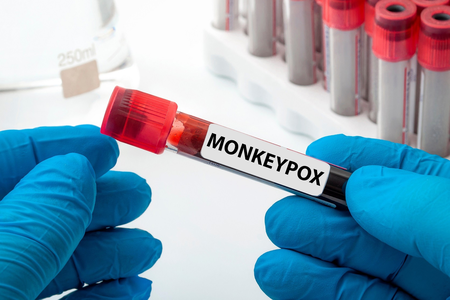
Mozambican health authorities have confirmed three new cases of mpox—formerly known as monkeypox—bringing the total number of infections in the country to 11 since the virus was first detected in 2022. The announcement was made by Inocencio Impissa, spokesperson for the Council of Ministers, during a press briefing held in Beira, Sofala province.
According to Impissa, the latest cases involve three Mozambican nationals who had travelled between Mozambique and neighbouring Malawi. The individuals were identified in Niassa province, in the north of the country, and have since been placed under quarantine in Lago District to prevent further transmission.
“The health sector is on high alert and is working diligently to ensure that these cases remain contained within Niassa and do not spread to other regions,” Impissa stated.
Mpox is a contagious viral disease characterized by symptoms such as fever, headache, muscle and back pain, swollen lymph nodes, low energy, and a painful rash. While most individuals recover fully, severe illness can occur in some cases.
The World Health Organization (WHO) notes that mpox primarily spreads through close physical contact with an infected person. This includes skin-to-skin, mouth-to-skin, and face-to-face interactions, such as kissing or talking in close proximity, which can transmit respiratory particles. Individuals with multiple sexual partners are considered to be at higher risk.
Transmission can also occur through contaminated materials such as clothing, linens, or surfaces, as well as through needlestick injuries in healthcare settings or shared equipment in community environments like tattoo parlours. In pregnant individuals, mpox can be transmitted to the fetus or newborn during pregnancy or delivery, potentially resulting in miscarriage, stillbirth, or neonatal complications.
The mpox virus was first identified in 1958 in research monkeys in Denmark. The first human case was recorded in 1970 in the Democratic Republic of the Congo. Following the global eradication of smallpox in 1980 and the cessation of smallpox vaccinations, mpox has steadily emerged in parts of Central, East, and West Africa.
Over the decades, outbreaks have been reported globally, including a significant outbreak in the United States in 2003 linked to imported animals. Since 2005, thousands of cases have been recorded annually in the Democratic Republic of the Congo, with Nigeria experiencing a resurgence in 2017 and ongoing community transmission.
Mozambican health authorities continue to monitor the situation closely, with containment and public awareness measures in place to prevent the spread of the virus.



























Jagan Backs Hindi as National Language, Sparks New Debate
For the past few weeks, the debate over promoting the Hindi language has been a hot topic in the Telugu states. This discussion was initially brought to the spotlight by Deputy CM Pawan Kalyan and IT Minister Lokesh, and now, YSR Congress Party chief and Pulivendula MLA YS Jagan has weighed in for the first time.
Addressing the ongoing conversation, Jagan stated, “There’s really nothing to debate here. Hindi is the national language, and there’s no harm in accepting that. However, when it comes to education and practicality, English should be prioritized, especially in primary education.”
Interestingly, Jagan’s remarks come after YSR Congress Party’s social media wing had earlier criticized Pawan Kalyan and Lokesh for referring to Hindi as the national language. Many questioned their stance, asserting that India does not officially have a single national language. But with Jagan openly acknowledging Hindi as the national language, it marks a notable shift in the narrative from the YSRCP leadership.
This comment from Jagan is now sparking new discussions in political circles and social media, as it somewhat aligns with the statements previously made by his political rivals.