








చిన్నన్నయ్య కోసం పవన్ పవర్ ను గట్టిగా వాడబోతున్నారా? | OTR

Trump Says Iran War Nearly Complete Amid Strait of Hormuz Tensions
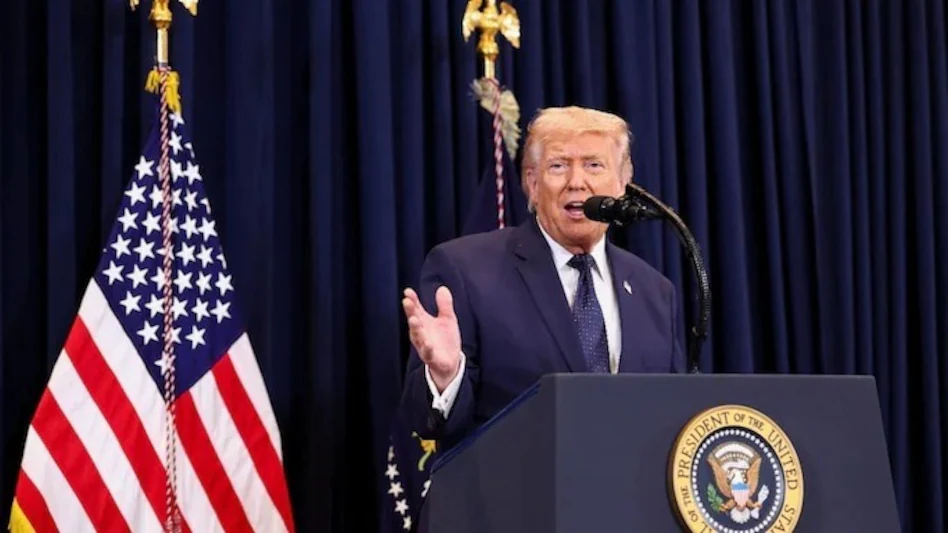
Donald Trump said the ongoing conflict involving Iran is nearing completion, claiming that Tehran has lost most of its military capabilities. His remarks come as global oil markets react sharply to tensions around the Strait of Hormuz, a crucial channel for global crude supplies.
In a phone interview with CBS News, Trump said the war had been highly effective and that Iran’s military infrastructure had been largely neutralised.
“I think the war is very complete, pretty much. Iran has no navy, no communications, they’ve got no air force. Their missiles are down to a scatter. Their drones are being blown up all over the place, including their manufacturing of drones,” Trump said.
“If you look, they have nothing left. There’s nothing left in a military sense,” he added.
Trump had previously estimated that the conflict would take around four to five weeks to conclude but said operations were progressing faster than expected and were now “very far ahead of schedule.”
Meanwhile, Iran’s Islamic Revolutionary Guard Corps (IRGC) issued a strong response, stating that it would ultimately determine when the war ends. The group also warned that it could block oil shipments through the Strait of Hormuz if military strikes by the United States and Israel continue.
The IRGC said it would not allow “even a litre of oil” to pass through the strategic waterway under such circumstances. However, Trump said the United States was ready to respond if Iran attempted to disrupt shipping in the region.
“They’ve shot everything they have to shoot, and they better not try anything cute or it’s going to be the end of that country,” Trump said. “If they do anything bad, that would be the end of Iran and you’d never hear the name again.”
Trump also said that the Strait of Hormuz remains operational for now but indicated that the United States was considering stronger measures to secure the route.
The tensions have already rattled global energy markets. Crude oil prices surged past $110 per barrel, briefly touching $119, amid fears of supply disruptions in one of the world’s most critical oil transit routes.
In a post on Truth Social, Trump warned Iran of severe consequences if it attempted to halt oil shipments through the strait.
“If Iran does anything that stops the flow of oil within the Strait of Hormuz, they will be hit by the United States TWENTY TIMES HARDER than they have been hit thus far,” he wrote, adding that such actions would trigger overwhelming retaliation.
White House Weighs Emergency Steps as Oil Prices Surge

The sharp rise in global crude oil prices triggered by the escalating conflict involving Iran is pushing the White House to consider emergency measures aimed at preventing a surge in fuel prices across the United States. With benchmark oil prices crossing the $100 per barrel mark, President Donald Trump is expected to review several policy options designed to ease the pressure on consumers and businesses.
The discussions come at a politically sensitive time, as rising fuel costs could contribute to broader inflation concerns ahead of the upcoming midterm elections. With Republican Party leaders seeking to retain their majority in Congress, the administration is exploring ways to stabilise energy markets as geopolitical tensions intensify.
One of the key options being considered is a coordinated release of crude oil from the Strategic Petroleum Reserve, potentially in collaboration with other members of the Group of Seven. Such a move could inject additional supply into global markets and help reduce price volatility.
Officials familiar with the discussions say the administration is also examining other measures, including limiting US crude exports, intervening in oil futures markets, temporarily suspending certain federal fuel taxes, and easing restrictions under the Jones Act, which requires shipments between US ports to be carried on American-flagged vessels.
Last week, the White House asked federal agencies to prepare policy proposals aimed at reducing pressure on crude and gasoline prices. Senior officials involved in the discussions reportedly include White House Chief of Staff Susie Wiles and senior adviser Stephen Miller.
Energy markets have been volatile since the United States and Israel launched military strikes on Iranian targets on February 28 in an operation described by the administration as Operation Epic Fury.
The escalation has pushed global oil prices to levels last seen in mid-2022, with crude briefly approaching $119 per barrel. The surge has already started affecting gasoline and fuel costs, raising concerns about its potential economic impact both in the United States and globally.
White House spokesperson Taylor Rogers said the administration is closely coordinating with multiple government agencies to address the situation.
“The White House is in constant coordination with the relevant agencies on this important issue, as it remains a top priority for the president. President Trump and his energy team had already developed a strong strategy to stabilise energy markets well before Operation Epic Fury began, and they will continue reviewing all credible options,” Rogers said.
Microsoft Launches Copilot Cowork AI Tool for Workplace Automation

Microsoft has introduced a new cloud-based AI agentic automation tool called Copilot Cowork within Microsoft 365 Copilot, currently available in preview. The feature is designed to help users automate complex tasks across workplace applications such as Microsoft Outlook, Microsoft Teams, Microsoft Excel, and other Microsoft 365 services.
Copilot Cowork allows users to delegate tasks to AI agents that can work across multiple applications simultaneously. Once a user defines a goal, the system gathers context from emails, meeting notes, chats, documents, and other work data within Microsoft 365. It then converts the request into an actionable workflow and begins executing tasks in the background.
The tool includes checkpoints during the process so users can review progress, make adjustments, approve actions, or pause the task if necessary. Copilot Cowork operates using Microsoft’s Work IQ system, which connects organisational data such as emails, files, chats, and calendars to provide deeper context rather than simply retrieving information.
Although the concept of Copilot Cowork appears similar to Claude Cowork, the two products are built for different environments. Claude Cowork, developed by Anthropic, is a desktop-based AI agent that runs within the Claude Desktop application. It uses an agentic architecture powered by Claude Code and is designed to handle multi-step tasks such as formatting documents, organising files, automating browser activities, and integrating with third-party tools through plugins.
In contrast, Copilot Cowork functions entirely within Microsoft’s cloud ecosystem. Because it operates inside Microsoft 365, it can access a user’s workplace data graph to automate tasks like rescheduling meetings, drafting presentations, summarising long email threads, or coordinating information across multiple work apps. This makes it particularly suited for enterprise environments that rely on Microsoft’s secure cloud infrastructure.
In simple terms, Claude Cowork is aimed at individual users who want a flexible AI assistant for personal workflows across various apps and tools. Copilot Cowork, however, is designed primarily for organisations and enterprises that operate within the managed environment of Microsoft 365, offering context-aware automation directly within their work ecosystem.
Apple Expands iPhone Manufacturing in India

Apple Inc. is significantly expanding its iPhone manufacturing operations in India as it aims to reduce its dependence on China amid ongoing trade tensions and tariff uncertainties. According to a recent Bloomberg report, the tech giant is now producing nearly 25% of its iPhones in India, marking a major shift in its global production strategy.
The report states that Apple increased iPhone production in India by about 53% in 2025, manufacturing nearly 55 million units, compared to 36 million units in 2024. Considering that Apple produces around 230 million iPhones globally each year, India is rapidly emerging as a key manufacturing hub for the company.
Apple’s growing focus on India comes at a time when iPhones exported from China have reportedly faced challenges due to uncertain US tariffs linked to trade tensions between the United States and China. These tariff risks have made exporting iPhones from China to the US more expensive, prompting Apple to diversify its manufacturing base.
India has emerged as one of the biggest beneficiaries of this shift. Analysts note that Apple’s expansion in the country has also been supported by the Production-Linked Incentive Scheme introduced by Prime Minister Narendra Modi. The scheme provides financial incentives to companies that manufacture products in India, making production more cost-effective and encouraging global firms to set up local facilities.
Reports also indicate that Apple has begun assembling the upcoming iPhone 17 series in India, including premium models such as the Pro and Pro Max variants. The company’s key manufacturing partners in India include Foxconn Technology Group, Tata Electronics, and Pegatron Corp..
Beyond manufacturing, Apple is also working to strengthen its market presence in India. The company is reportedly planning to introduce Apple Pay in the country later this year and expand its retail footprint by opening six Apple stores across major Indian cities, signaling a broader push into one of the world’s fastest-growing smartphone markets.
Malta Emerging as a Popular Study Destination for Indian Students

Malta is rapidly emerging as one of the most attractive destinations for Indian students seeking higher education abroad. With its rich cultural heritage, strong academic infrastructure, and relatively affordable cost of living, the Mediterranean island is becoming a promising option for students looking for quality education in Europe.
One of the key reasons behind Malta’s growing popularity is its unique blend of historical charm and modern education. According to Mayank Maheshwari, Co-Founder and COO of University Living, the country offers study opportunities at reputed institutions and provides a diverse range of academic programs. Malta’s appeal is further strengthened by the fact that English is widely spoken and many universities specialize in fields such as IT and health sciences.
According to University Living’s European Student Landscape Report, Malta hosted around 5,678 international students in 2025, of which 1,226 were from India, accounting for about 6.15 percent of the total student population. This steady growth highlights the increasing interest among Indian students in Malta’s education system and welcoming environment.
Malta is home to several well-known institutions, including the University of Malta, which is ranked between 741 and 750 in the 2026 QS World University Rankings and offers a wide range of undergraduate, postgraduate, and doctoral programs. Another prominent institution is the Malta College of Arts Science and Technology (MCAST), ranked #=165 in the 2026 QS Europe University Rankings for Southern Europe and known for its vocational courses and specialised institutes. The American University of Malta (AUM), established in 2016, provides liberal arts education based on an American-style curriculum. Private institutions such as GBSB Global Business School and St Martin’s Institute of Higher Education also offer various programs for international students.
Another major attraction for Indian students is Malta’s relatively affordable cost of living compared to many other European countries. In major cities such as Valletta and Sliema, students typically spend around €1,460 to €1,570 per month, with accommodation accounting for more than half of the expenses. However, in smaller cities the average monthly cost can drop to around €1,080, making it easier for students to manage their budgets.
Students can choose from various accommodation options depending on their preferences and budget. On-campus housing is usually the most affordable and conveniently located near universities, with rents ranging from €250 to €700 per month. Off-campus options such as shared rooms and private apartments typically range from €300 to €1,300 per month. Purpose-Built Student Accommodation (PBSA), which offers modern amenities and enhanced security, is generally more expensive and costs between €600 and €1,200 per month.
International students in Malta can also benefit from several scholarship opportunities. Programs such as the Erasmus+ Scholarship, Malta Government Scholarships, and the MCAST International Scholarship provide financial assistance for eligible students. In addition, students enrolled in courses lasting more than 90 days at MQF Level 5 or higher are allowed to work up to 20 hours per week, giving them an opportunity to gain work experience while studying. After graduation, they can remain in the country for up to six months to search for employment.
Malta’s strategic location in the Mediterranean also makes it an attractive destination for students who want to explore Europe. With easy access to several European countries, the island nation offers a unique combination of cultural richness, academic opportunities, and a vibrant student lifestyle. For many Indian students, this blend of affordability, education quality, and international exposure makes Malta an increasingly appealing choice for higher studies.
Vaishali Gauba on Overcoming Reverse Culture Shock After Returning to India

For many Indians returning after years abroad, coming home can be far more disorienting than expected. Former journalist Vaishali Gauba experienced this firsthand after moving back to India following five years in the United States — a phenomenon often referred to as “reverse culture shock.”
Gauba moved to the US at 17 to study journalism and business management and later worked at CBS News. Her time there ended in 2017 when she was unable to secure an H-1B visa and had to leave after her work authorization expired.
Speaking to Business Insider, Gauba recalled spending her final evening in New York on the terrace of her Washington Heights apartment, taking in the skyline and reflecting on the life she had built.
“It was my last night in New York City before I moved back to India,” she said.
The move back was particularly painful because it wasn’t fully on her own terms. After graduating, she had a one-year work permit and hoped to remain in the US through employer sponsorship for an H-1B visa. Despite efforts with CBS News and other organizations, the sponsorship never materialized, forcing her to return once her permit ended.
Gauba said it took months to come to terms with the setback. Eventually, she accepted that immigration decisions are often beyond personal control. Fortunately, she had lined up a role with an international news channel in India through a professional contact at CBS News, which eased the transition somewhat.
Still, settling back in proved challenging. The fast-paced mornings she had grown accustomed to in New York gave way to quieter days at home while she waited to start her new job.
“As everyone in my home left for work, I was left questioning my purpose,” she recalled.
Even small details of daily life hit differently: from relentless honking on the roads to the way some people treated service staff. Moving back into her parents’ home in Gurugram after years of independence also created friction, as expectations around constantly sharing whereabouts felt restrictive.
About three months later, Gauba shifted to New Delhi, closer to work. With her parents’ support, the move helped her regain a sense of independence and gradually find her footing.
Like many returnees, she also had to adjust to urban realities in India. In New York, walking was easy and common; in Gurugram and New Delhi, daily movement involved traffic, pollution, and poor pedestrian infrastructure. Safety also shaped her routines differently; she was comfortable being out late in New York but exercised greater caution in Indian cities.
Over time, Gauba realized that dwelling on frustrations made the transition harder. She began focusing on the positives: more time with family, home-cooked meals, and reconnecting with old friends.
Gauba lived in India for five years before moving to Canada in 2022 to continue her studies and join her partner. Looking back, she considers that period one of the most meaningful in her life.
“The experience of overcoming reverse culture shock taught me how to stay resilient during adversity and rejection — something I carry with me through life’s brightest and darkest days, no matter where I live,” she said.
Pawan Kalyan Cancels Pithapuram Rally, Shifts to Localized Foundation Day Celebrations
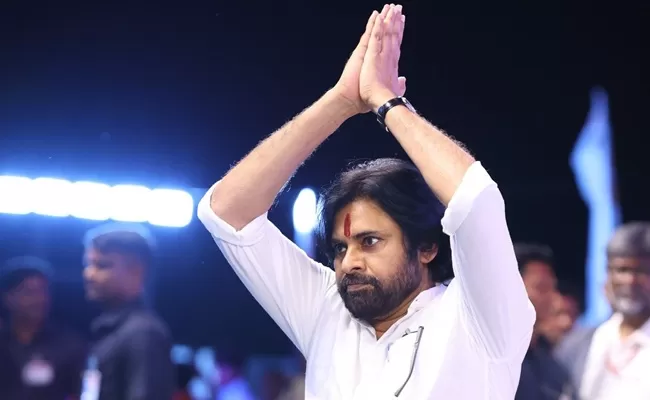
The decision by Pawan Kalyan to cancel the party’s foundation day rally at Pithapuram on March 14 has sparked discussion in both media and political circles, with some questioning the reasoning behind the move.
According to party sources, Pawan Kalyan had originally planned a state-level foundation day event in Pithapuram, located in Kakinada district. However, on Tuesday, he announced that the rally would be called off. The party chief stated that the decision was made after considering reports of adverse weather conditions and extreme heat.
Instead, he instructed party leaders and cadres to organize smaller, localized celebrations at district, city, and mandal headquarters across the state. Jana Sena cadres, including “Jana Sainiks” and “Veera Mahilas,” were encouraged to mark the day by hoisting the party flag and conducting service activities such as blood donation camps, food distribution programs, and environmental initiatives.
Despite this explanation, not everyone was convinced. Critics pointed out that March is generally not associated with extreme heat in Andhra Pradesh and that large gatherings can be safely conducted with proper precautions. They also noted that other political leaders, including N. Chandrababu Naidu, have continued to address large events despite high temperatures.
In fact, Jana Sena Party itself has organized foundation day celebrations in previous years under similar weather conditions without citing summer heat as a limitation. This has led to speculation that the decision might reflect organizational challenges rather than genuine weather concerns. Some analysts suggest that mobilizing a large turnout for Pithapuram may have been difficult, prompting the leadership to scale down the event.
Other sources speculate that Pawan Kalyan may want to avoid exposure to the summer heat or might have a prior shooting schedule. However, party supporters defended the move, arguing that decentralized celebrations allow cadres across the state to participate more actively rather than concentrating the event in a single location.
Prabhas Meets Dinjith Ayyathan: Fans Speculate New Pan-India Collaboration

A recent meeting between Prabhas and Malayalam filmmaker Dinjith Ayyathan has sparked fresh buzz in film circles. Dinjith, who directed the acclaimed Malayalam film Kishkindha Kaandam, shared a photo with Prabhas on social media, which quickly grabbed the attention of fans and industry observers, leading to speculation about a possible collaboration.
The meeting was reportedly facilitated by Hombale Films, which has already signed multiple projects with Prabhas. This has further fueled rumors that Dinjith might be pitching a film to the Baahubali star.
While there is no official confirmation yet, the development has certainly created excitement among fans. The buzz comes amid ongoing speculation about Allu Arjun potentially collaborating with Malayalam actor-director Basil Joseph for a future project. Although that project has not been finalized, the rumors gained momentum after Basil Joseph was spotted at the wedding celebrations of Allu Arjun’s brother.
With Prabhas already working closely with Hombale Films on several upcoming projects, fans believe this meeting with Dinjith Ayyathan could mark the start of another intriguing pan-Indian collaboration. For now, however, the discussion remains informal, and no official announcement regarding a film has been made.
Pawan Kalyan–Harish Shankar’s Ustaad Bhagat Singh Creates Massive Buzz

Power Star Pawan Kalyan and director Harish Shankar are set to deliver another blockbuster with Ustaad Bhagat Singh, produced by Mythri Movie Makers, and expectations are sky-high. The movie has completed its censor process and received a U/A certificate.
Meanwhile, the makers have released the captivating promo for the third single, “Collar Ey Etthara”. This high-octane track is pure Rockstar Devi Sri Prasad mass magic, powered by Ram Miriyala’s electrifying vocals—a complete treat for fans and the masses alike.
The song comes alive with explosive choreography by Dinesh Master, famed for his iconic moves in Naa Ready from Leo. Heavy-hitting background dancers light up the screen in perfect sync, while Pawan Kalyan delivers a killer hook step with his signature swag that’s bound to go viral. No director could coax those moves out of PK except Harish Shankar.
Anticipation for the full song is at a fever pitch. It drops on March 12, with Ustaad Bhagat Singh hitting theaters on March 19. Advance bookings in the USA are already live, approaching the 100K mark, signaling tremendous buzz ahead of the release.