










Suryapeta News : మూఢ నమ్మకాలతో 7 నెలల కూతుర్ని బలిచ్చిన తల్లి
Balakrishna’s Action-Packed Comeback: New Projects and Strategic Moves
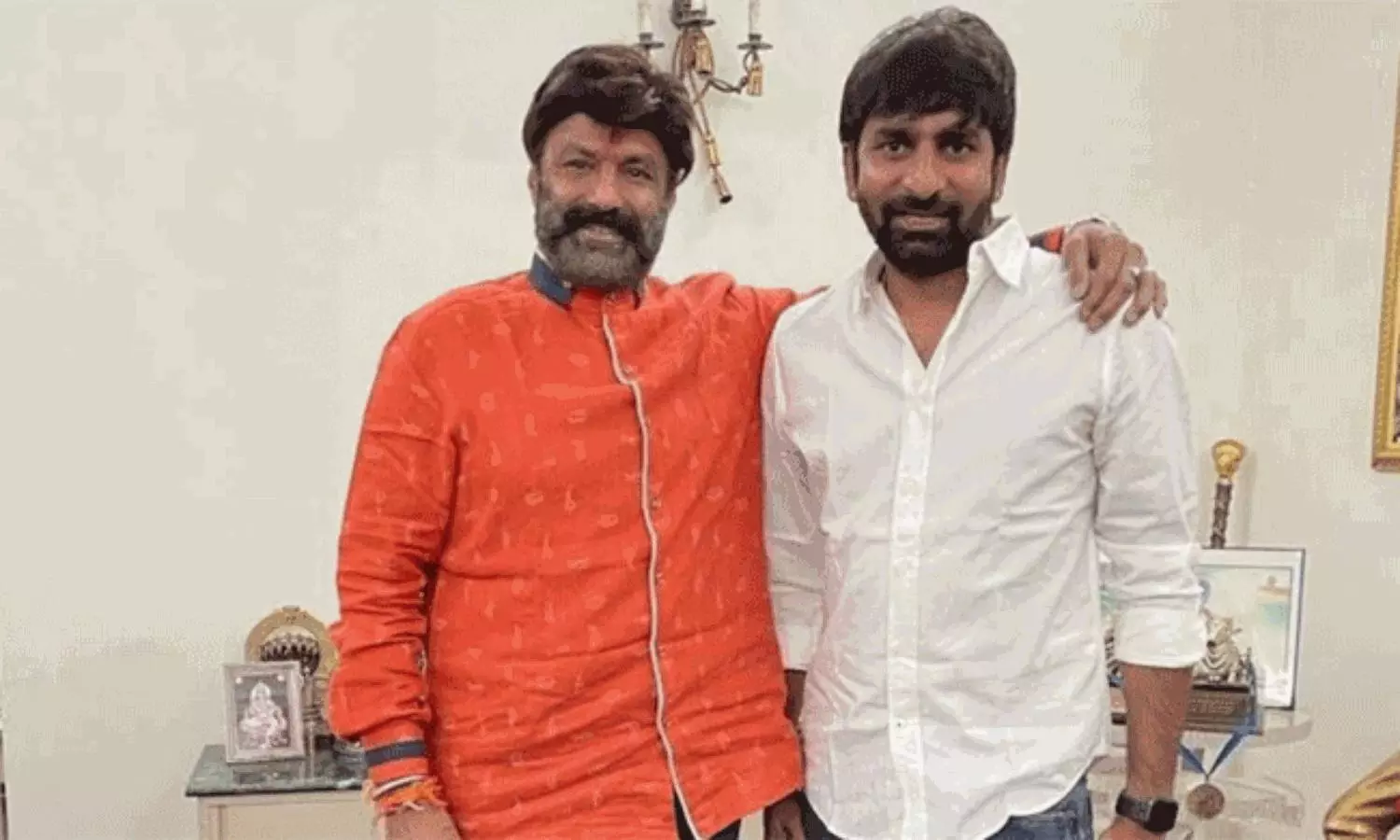
Nandamuri Balakrishna is showing no signs of slowing down as he continues to dominate the Telugu film industry with his ever-growing slate of projects. While fans remain abuzz with rumors of his potential role as the host for Bigg Boss 9, the news has now been overshadowed by an official announcement that Balayya is reuniting with director Gopichand Malineni for another high-octane action thriller. This collaboration follows the success of their previous venture, Veera Simha Reddy, which had a significant box office impact. The upcoming project will be produced by Satish Kilaru under the Vriddhi Santha banner, though plot details remain tightly under wraps. Insider reports hint that the film will be a full-fledged mass entertainer, packed with the intensity and charisma that fans expect from Balakrishna. With expectations running high, this reunion is set to be a major addition to Balayya’s already impressive lineup.
In addition to this project, Balakrishna is preparing for the much-anticipated sequel to Akhanda, titled Akhanda 2: Tandavam. Directed by Boyapati Srinu, the first installment was a massive hit, and the sequel aims to build on that momentum. Balakrishna will reprise his dual roles, once again delivering his signature intense performances. Notably, Akhanda 2 is set for a pan-India release, including a direct Hindi version, expanding the film’s reach beyond its regional fanbase. Given the overwhelming success of the first film among North Indian audiences, this move aligns with the growing trend of regional films making a mark on a national level.
Adding to the buzz surrounding Balakrishna, rumors have emerged that the actor turned down a cameo in Sunny Deol’s upcoming film Jaat, a project currently embroiled in controversy in Tamil Nadu. Whether or not this rumor holds truth, it’s clear that Balakrishna is making calculated decisions about his projects, choosing roles and collaborations that align with his growing stature in the industry. With multiple projects lined up and a carefully curated career trajectory, Nandamuri Balakrishna’s star continues to shine brightly in the ever-evolving landscape of Telugu cinema.
Anupama Parameswaran and Dhruv Vikram Spark Romance Rumors with Shared Playlist Photo

When music intersects with mystery, the internet is bound to take notice. A candid photograph of Anupama Parameswaran and Dhruv Vikram sharing a kiss under a starry night, shared via a playlist on Spotify, has quickly become the talk of the town. The photo, paired with a selection of romantic tracks, has ignited rumors about the potential blossoming of a real-life romance between the two actors. But the question remains: Is this a subtle soft launch of a new celebrity couple, or simply a clever marketing tactic tied to their upcoming project?
Both Parameswaran and Vikram are no strangers to the limelight, though they have carefully managed their personal lives, maintaining an air of mystery around their relationships. Anupama Parameswaran, who rose to fame with her endearing portrayal in Premam and further solidified her popularity with her role in the recently released Tillu Square, is known for her guarded approach to privacy. Dhruv Vikram, the son of acclaimed Kollywood actor Chiyaan Vikram, made his mark with his powerful debut in Adithya Varma and is steadily carving a niche for himself in the industry.
Their collaboration in the upcoming film Bison, directed by the talented Mari Selvaraj and produced by Pa Ranjith, has already piqued the interest of cinema lovers. The release of the photograph, however, has only intensified the buzz surrounding the film. Fans are now speculating whether the shared kiss is a genuine indication of an off-screen relationship or merely a calculated promotional move to generate further intrigue before the film’s release.
As both actors are adept at keeping their personal lives private while staying at the center of public attention, it’s difficult to say whether this moment is a sincere revelation or simply another facet of their carefully crafted public personas. What is certain, however, is that the duo’s ability to remain in the headlines without uttering a word only adds to the mystique surrounding them.
Whether their chemistry is real or part of the cinematic magic they share on-screen, one thing is clear: the internet will continue to play detective, dissecting every detail until the silence is eventually broken by either of them. Until then, fans and followers will keep speculating—one kiss, one playlist at a time.
Pawan Kalyan Balances Personal Tragedy with Film Commitments Ahead of Harihara Veera Mallu Release

Pawan Kalyan, the Deputy Chief Minister of Andhra Pradesh, has recently faced a deeply personal setback following a fire accident that left his son, Mark Shankar, injured while at school in Singapore. In light of this unfortunate event, Kalyan swiftly traveled to Singapore to be with his family during this challenging time. After spending a few days with them, Kalyan returned to Hyderabad, where he is currently with his son as he recovers. Fortunately, Mark Shankar’s condition is improving, and he is reportedly doing well.
Despite the emotional toll of the incident, Kalyan is now faced with the pressing task of resuming work, as he is scheduled to begin shooting for his highly anticipated film, Harihara Veera Mallu (HHVM), which has already been delayed several times. The film is officially slated for release on May 9, and sources reveal that Amazon Prime, the OTT partner, is exerting significant pressure on the makers to ensure the release occurs on this date, regardless of the delays.
With the release deadline fast approaching, Kalyan will need to overcome the personal trauma he has endured and return to the set to resume filming. Should the film be released on May 9, it is crucial that Kalyan resumes shooting by the end of this week in order to meet the production schedule. It is undoubtedly a challenging time for the actor-politician, as he must balance his personal responsibilities with the demands of his professional commitments. Nevertheless, Kalyan will need to show resilience and determination to ensure the success of the project.
Embracing Authenticity: Nithya Menen’s Stand Against Beauty Standards

Nithya Menen, the versatile actress known for her impactful performances in films like Ala Modhalindi and Ishq, has long been celebrated for her natural beauty and strong screen presence. However, her journey hasn’t been without challenges. In a recent revelation, Menen candidly discussed the online criticism she faced for her naturally curly hair, which quickly became a subject of harsh judgment. In an industry often defined by unrealistic beauty standards and a preference for straightened perfection, Nithya’s honesty about embracing her authentic self resonates deeply.
Not only has she faced scrutiny for her hair, but also for her body and facial features. Despite the hurtful comments, Nithya chose to stay true to herself rather than conform to society’s narrow definitions of beauty. Her refusal to alter her appearance or succumb to the pressure of filters and cosmetic perfection is a testament to her strength and confidence. “I’m not here to look like everyone else,” Nithya emphasized, advocating for self-acceptance and individuality.
In a world where appearances often overshadow talent, Nithya Menen’s commitment to authenticity serves as an inspiring reminder that beauty comes in all forms. Currently working with Dhanush on the Tamil film Idli Kadai, Nithya continues to prove that real talent speaks louder than the noise of online criticism. Her journey reflects a refreshing shift in the entertainment industry, where staying true to oneself can be just as powerful as any role or achievement.
Google Cuts Jobs in Platforms and Devices Division Amid Restructuring

In a strategic move aimed at enhancing operational efficiency, Google has laid off several hundred employees from its Platforms and Devices division—home to key products such as Android, Pixel smartphones, and the Chrome browser. The job cuts follow a voluntary exit programme introduced earlier this year and reflect the tech giant’s broader efforts to streamline operations and adapt to evolving market dynamics.
A Google spokesperson confirmed the development to The Information, noting that since the merger of its Platforms and Devices teams in 2024, the company has been focused on operating more effectively and becoming more agile. The layoffs are part of a wider restructuring initiative that began with departmental consolidations and early-stage voluntary buyouts.
While Google has not disclosed the exact number of roles impacted, the latest reductions come on the heels of additional workforce adjustments in 2025, including cuts to its Cloud and Human Resources divisions. These changes underscore Google’s ongoing cost-optimization strategy in response to shifting technological and economic landscapes.
Google’s move aligns with a broader industry trend, as major technology firms reassess team structures in the face of increasing automation, rapid adoption of artificial intelligence, and global economic uncertainty. Amazon, for instance, is reportedly planning to eliminate approximately 14,000 managerial positions to save an estimated $3 billion annually. Similarly, Intel is undergoing a significant restructuring following notable financial losses last year.
As AI continues to reshape business models and economic conditions remain fluid, further workforce adjustments are anticipated across the tech sector and beyond in the months ahead.
The Wealth Illusion: Why Earning More Doesn’t Mean Keeping More

The allure of earning in U.S. dollars often creates a false sense of financial security—especially among global professionals and expatriates. But as Chartered Accountant Nitin Kaushik points out, true wealth is not about nominal income—it’s about what you retain after accounting for inflation, taxation, and currency depreciation.
The Illusion of Stronger Earnings
Consider this: you earn $1,000. With average U.S. inflation hovering around 5% in recent years, the purchasing power of that amount drops to roughly $950 within a year. Convert that into Indian rupees, and the impact of currency depreciation becomes apparent—the INR typically loses 4–5% of its value against the USD annually. What you gain in dollar terms can quietly erode in real terms.
Rising Income, Shrinking Gains
Some may argue that Indian salaries are rising faster. While that trend held true in the past, Kaushik emphasizes that it’s no longer a dependable pattern. “How many of you are still receiving 10% annual raises?” he asks. Even if you are among the few, rising tax burdens—both direct and indirect—continue to eat into those gains.
The result? A slow, silent squeeze on savings. India’s savings-to-GDP ratio has dropped to its lowest point in 50 years, despite a growing workforce. More people are earning, but fewer are retaining wealth.
A Deeper Economic Undercurrent
Over the past decade, the U.S. dollar itself has lost around 35% of its value due to inflation. Meanwhile, the Indian rupee has faced a consistent annual depreciation of 3–5%. The causes are multifaceted: higher interest rate differentials, a persistently strong dollar, India’s trade and current account deficits, and foreign capital outflows—all putting downward pressure on the rupee.
The Real-World Impact
Consumers are already feeling the pinch. Imported goods are more expensive. Travel abroad is no longer as affordable. And for Indian investors, maintaining real returns that outpace inflation and currency depreciation is becoming increasingly difficult.
Kaushik’s message is clear and cautionary: income alone does not define wealth. What truly matters is net retention. “Are you genuinely building wealth,” he asks, “or merely running harder on the same treadmill?”
In a global economy filled with hidden costs and silent deductions, the difference between financial comfort and financial freedom lies not in how much you earn—but in how much you keep.
Israel Launches New Wave of Gaza Strikes as Death Toll Surges
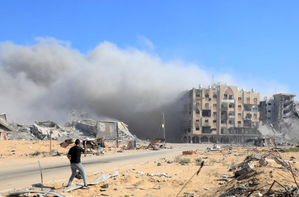
The Israeli military announced on Monday that it had launched a fresh wave of air and ground strikes across the Gaza Strip, targeting approximately 35 locations. According to an official statement, the strikes included a weapons manufacturing facility in southern Gaza and a launch site containing rocket launchers aimed at Israeli territory.
In northern Gaza, Israeli ground forces reportedly identified an imminent ambush by militants several hundred metres from their position. The military stated that soldiers opened fire and “eliminated the terrorists” in coordination with the Israeli Air Force. However, specific details regarding the location and number of casualties were not disclosed.
In Rafah, a key southern city, Israeli forces destroyed a 20-metre-deep tunnel network stretching several hundred metres. The military described the tunnel as a gathering hub for Hamas militants, linking multiple underground routes in the area. Additionally, Israeli troops uncovered a weapons cache that included mortars, hand grenades, and explosives.
The renewed offensive follows Israel’s decision to resume military operations after ending a two-month ceasefire with Hamas on March 18. Since then, humanitarian aid has been blocked from entering the enclave, intensifying the humanitarian crisis.
Gaza health authorities reported that 1,613 Palestinians have been killed and 4,233 injured since the resumption of hostilities. The cumulative toll since the war began in October 2023 now stands at 50,983 dead and 116,274 wounded.
Israeli Defence Minister Yoav Gallant stated last week that military operations would soon expand to cover most of Gaza’s territory. In a message directed at Gaza residents, Gallant urged civilians to evacuate in anticipation of upcoming operations. He also referenced a U.S.-backed plan to facilitate voluntary relocation of Gaza residents to third countries, calling it “the last moment to remove Hamas, release all the Israeli hostages, and bring an end to the war.”
As the conflict enters a new and potentially more expansive phase, international concern continues to mount over the rising civilian toll and deteriorating humanitarian conditions in Gaza.




చంద్రబాబు పై మాస్టర్ ప్లాన్ || Venkatakrishna Comments on Jagan Socialmedia
చంద్రబాబు పై మాస్టర్ ప్లాన్ || Venkatakrishna Comments on Jagan Socialmedia