









 +
+
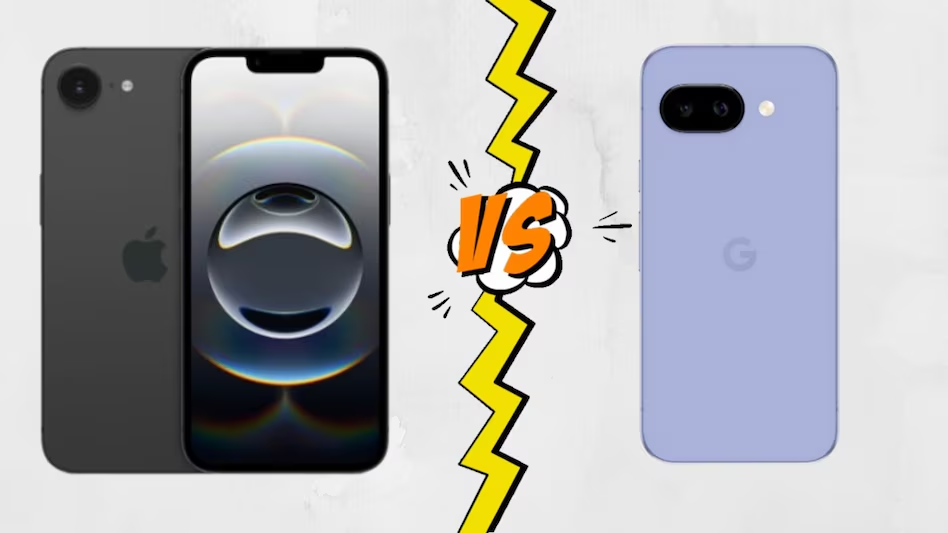
As smartphone manufacturers continue to cater to users seeking flagship-level features at a more affordable price, Google and Apple have entered the fray with the Pixel 9a and iPhone 16e, respectively. Both devices promise strong performance, premium displays, and long-term software support, but which one offers better value in 2025? Let’s take a closer look.
Pricing and Availability
Google has positioned the Pixel 9a as the more budget-friendly option, with a starting price of ₹49,999 for the 256GB variant. In contrast, Apple’s iPhone 16e comes at a higher price point, starting at ₹59,900 for the 128GB model, while the 256GB variant is priced at ₹69,900. Those prioritizing storage and affordability will find the Pixel 9a to be the more economical choice.
Design and Display
The Pixel 9a boasts a 6.3-inch OLED display with a 120Hz refresh rate, ensuring smooth scrolling and an enhanced gaming experience. Additionally, its 2700 nits peak brightness makes it highly visible in outdoor conditions. The device is slightly thicker at 8.9mm and weighs 185.9g, featuring an aluminum frame with a plastic back.
In contrast, the iPhone 16e features a 6.1-inch Super Retina XDR display with a 60Hz refresh rate—a notable drawback compared to the Pixel 9a. Apple retains its commitment to display quality, offering 1200 nits of peak brightness, but the lower refresh rate could be a dealbreaker for some users.
Performance and Software
The Pixel 9a is powered by Google’s Tensor G4 chipset, the same processor found in its flagship Pixel 9 series. It comes with 8GB of RAM and benefits from AI-driven optimizations. A key advantage is Google’s seven-year software and security update commitment, ensuring long-term reliability.
Apple equips the iPhone 16e with its latest A18 chip, also paired with 8GB of RAM. While Apple does not officially specify its update policy for the 16e, past trends suggest at least five to six years of software support. Given Apple’s track record of optimizing iOS for its hardware, users can expect top-tier performance for years.
Camera Capabilities
Google’s Pixel lineup is renowned for its camera prowess, and the 9a is no exception. It features a 48MP primary sensor alongside a 13MP ultra-wide lens, offering versatility for different shooting conditions.
The iPhone 16e, in contrast, opts for a single 48MP camera, which also functions as a 12MP telephoto lens with 2x zoom. However, the absence of an ultra-wide camera might be a downside for users who enjoy capturing broader perspectives.
Battery and Charging
The Pixel 9a houses a 5100mAh battery, the largest ever in a Pixel smartphone. Google claims it delivers over 30 hours of usage on a single charge. It supports USB-C fast charging and wireless charging, making it a strong contender for battery life.
Apple does not disclose official battery capacity figures, but the iPhone 16e promises up to 26 hours of video playback and 90 hours of audio playback. It supports fast wired charging and Qi-certified wireless charging. While both phones offer reliable battery life, the Pixel 9a has an edge in sheer capacity.
Verdict: Which One Should You Buy?
The choice between the Google Pixel 9a and the Apple iPhone 16e ultimately depends on user preferences.
For Android users, the Pixel 9a offers a superior display, better camera versatility, and longer software support at a lower price. It is a well-rounded package that balances affordability with premium features.
For Apple enthusiasts, the iPhone 16e delivers seamless integration with the Apple ecosystem, a premium build, and long-term iOS support. However, its lower refresh rate and lack of an ultra-wide camera may be drawbacks for some users.
If affordability and cutting-edge display technology are priorities, the Pixel 9a is the better choice. However, for those already invested in Apple’s ecosystem and seeking an entry-level flagship experience, the iPhone 16e remains a strong contender.
Recent Random Post: