









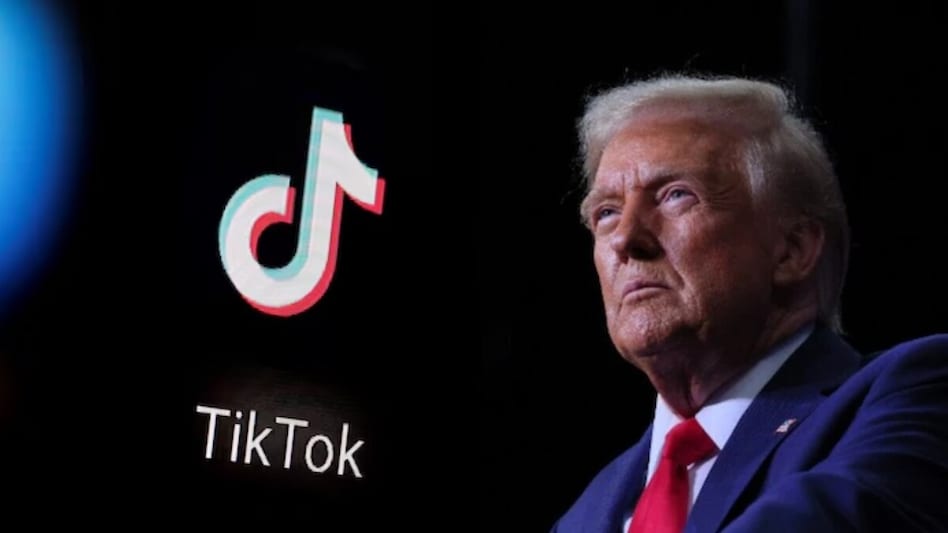
Former U.S. President Donald Trump has revealed that a potential deal is underway to sell TikTok to a group of wealthy American investors, but indicated that the transaction may hinge on approval from Chinese President Xi Jinping.
In an interview aired Sunday on Fox News, Trump stated, “We have a buyer for TikTok, by the way… I think I’ll need probably China’s approval. I think President Xi will probably do it.” He declined to disclose the identities of the prospective buyers, saying they would be revealed “in about two weeks.”
The development comes amid ongoing uncertainty over TikTok’s future in the United States. Under legislation passed in 2024, ByteDance—the China-based parent company of TikTok—is required to divest the app’s U.S. operations or face a nationwide ban. The original deadline for divestment has been extended three times, with Trump playing a central role in negotiations. The current deadline is set for September 17, 2025.
Trump has frequently acknowledged TikTok’s influence on his popularity among younger voters during the 2024 presidential election, adding political weight to the debate. Earlier this year, negotiations were underway to spin off TikTok’s U.S. business into a separate entity majority-owned and controlled by American stakeholders. However, those talks reportedly stalled after China expressed resistance—particularly after Trump imposed new tariffs on Chinese goods.
In previous statements, Trump floated the possibility of a joint venture that would allow ByteDance to retain partial ownership while granting American investors a 50% or greater stake. He has mentioned prominent allies such as Oracle co-founder Larry Ellison and Tesla CEO Elon Musk as potential buyers, though Musk’s involvement now appears doubtful.
As the September deadline approaches, attention is focused on whether ByteDance will proceed with the divestment and whether the Chinese government will approve any proposed transaction. A deal of this scale would likely require clearance from both the Committee on Foreign Investment in the United States (CFIUS) and Chinese regulatory authorities, adding further complexity to an already high-stakes geopolitical negotiation.
Recent Random Post: