









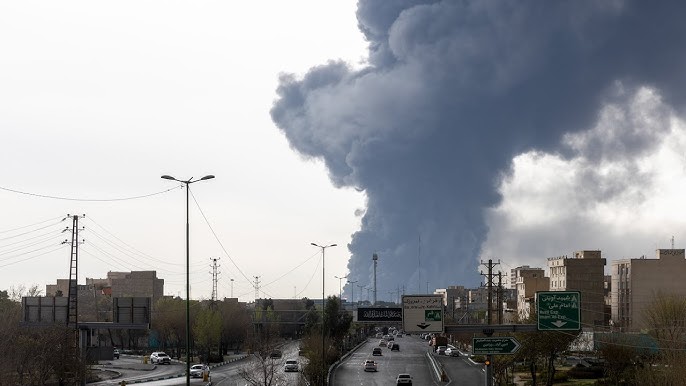
The US, which launched military action against Iran, now faces a difficult dilemma: continue the conflict or withdraw—both options carry significant risks.
According to an analysis by the New York Times, Iran has skillfully imposed a steep economic toll on the US and its allies. Global energy markets have been thrown into turmoil following Iran’s retaliatory actions, leaving the US in a precarious position.
So far, thirteen American soldiers have been killed in the conflict. In response, the US is deploying an additional 2,500 Marines to West Asia, on top of the 50,000 troops already stationed in the region. Former President Trump’s voter base has expressed frustration over what they see as a departure from his pledge to avoid further US entanglements in foreign wars.
Continuing the conflict risks more American lives, escalating financial costs, and potential strain on alliances. Conversely, a US withdrawal would mean that many of the stated objectives of the operation would remain unfulfilled. The most notable outcome of the US-Israel operation was the killing of former Supreme Leader Ayatollah Ali Khamenei, who ruled Iran for nearly four decades.
However, Khamenei’s death has strengthened the ruling theocracy, now led by his injured son, Mojtaba Khamenei. The Islamic Revolutionary Guards Corps and allied militias remain firmly in place. If the US pulls back, Iran’s stockpile of near-bomb-grade nuclear fuel would remain under the control of a regime motivated to potentially develop weapons.
While Defense Secretary Pete Hegseth downplayed the disruptions to shipping through the Strait of Hormuz, Trump has urged other nations to deploy naval forces to safeguard the strategic waterway, noting that it is crucial for global oil transit.
Trump has repeatedly claimed that the war has been “won,” at times asserting victory on the very first day, yet he also emphasized that the US would remain engaged to “finish the job.”
Recent Random Post: