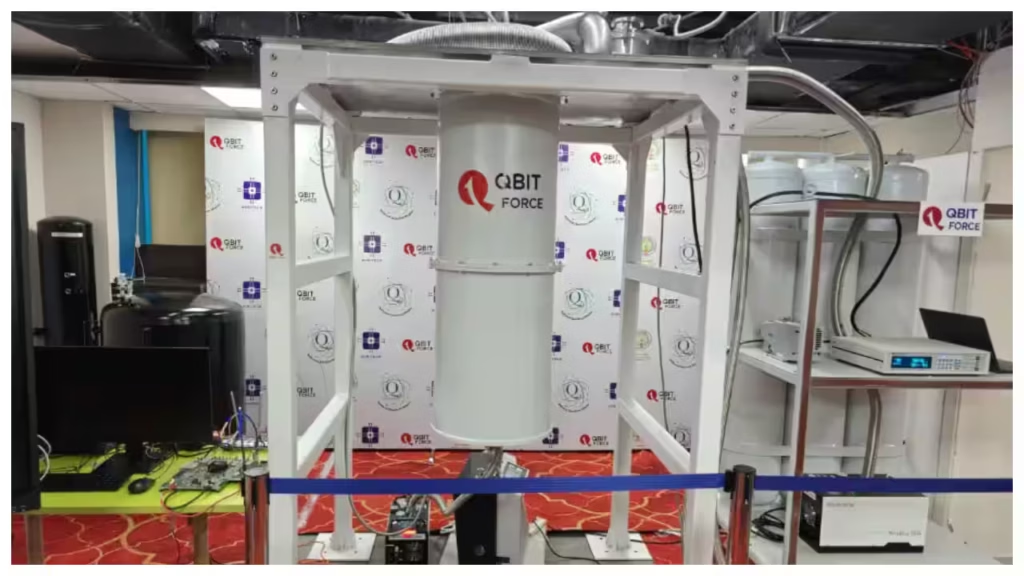

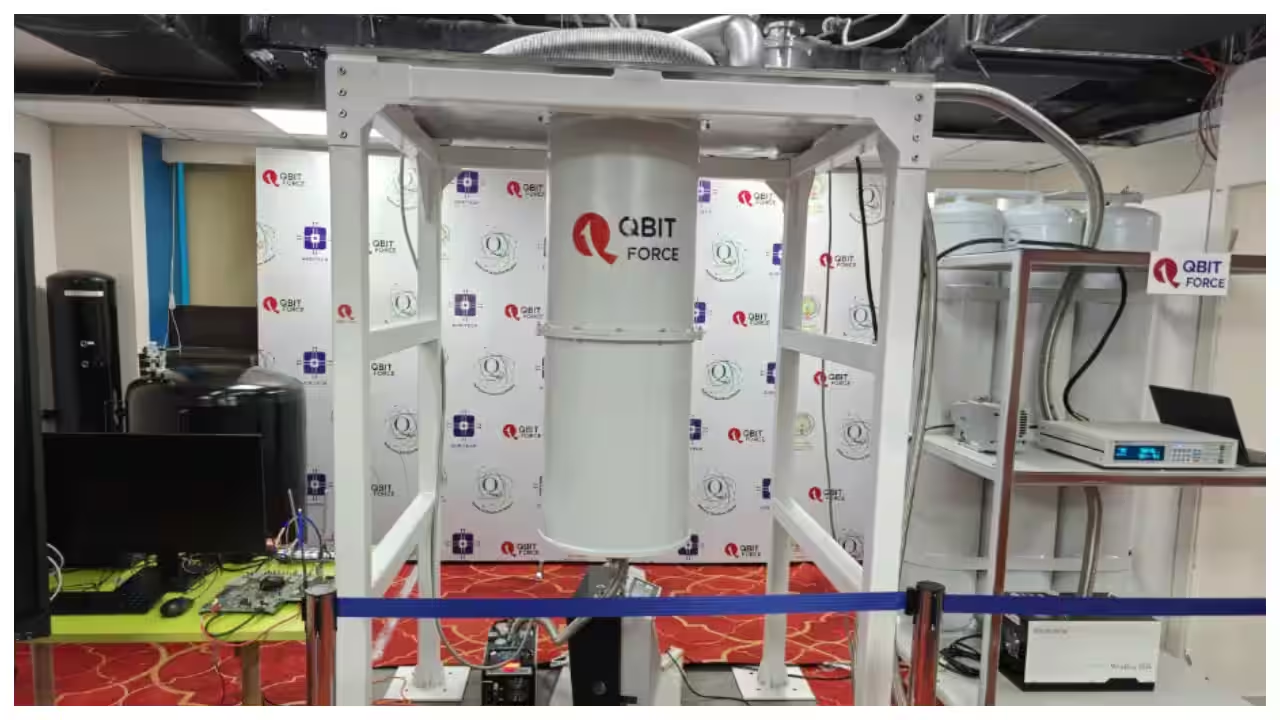
Andhra Pradesh has taken a major step in advancing India’s quantum technology ambitions with the launch of the country’s first open-access quantum computer test beds.
Developed by QBit Force, these facilities are located at SRM University Amaravati and Medha Towers in Gannavaram. They function as controlled environments where quantum hardware can be tested, validated, and improved. Unlike most global quantum labs, these systems are open-access, enabling researchers, startups, and students to directly work with the hardware.
At the core of this initiative is the QU-414 quantum characterisation facility, operated by Qubitech. This lab offers hands-on access to advanced quantum systems that were previously limited to a few elite labs worldwide.
Quantum computers operate using qubits instead of traditional bits, allowing them to process complex problems more efficiently. However, they require extremely low temperatures—around 10 millikelvin—maintained using advanced cryogenic systems. What makes these facilities unique is their open-hardware design, allowing components to be modified, replaced, and tested, fostering innovation and experimentation.
Cost reduction has been a major focus. By sourcing components locally with support from institutions like Tata Institute of Fundamental Research and Defence Research and Development Organisation, the system cost has been reduced by nearly 50% to around ₹15 crore. This makes access far more affordable compared to international facilities, which can cost up to €2,000 per day.
Beyond quantum processors, the test beds will support broader research areas such as semiconductor development, material science, and cryogenics. The SRM University facility will also serve as a training hub, helping students and early-stage researchers gain practical exposure.
This initiative is part of the larger Amaravati Quantum Valley project, which aims to build a strong domestic ecosystem. Future plans include deploying a 133-qubit quantum computer in collaboration with IBM, Tata Consultancy Services, and Larsen & Toubro.
With goals to develop 100 quantum algorithms by 2028 across sectors like finance, logistics, energy, and cybersecurity, Andhra Pradesh is positioning itself as a key hub for next-generation quantum innovation in India.