







Young beauty Hebah Patel, who rose to fame with Kumari 21 F, has decided to go de-glam for the first time in her career. Known for playing the glamorous bombshell on-screen, Hebah for the first time signed a challenging role in a crime thriller “Odela Railway Station”.
The Mister actress will be playing a young rural woman and can be seen without any makeup on. The shooting of the movie is progressing at the brisk pace.
On the occasion of Diwali, the makers of the film released the first look poster of Hebah Patel as Radha from Odela railway Station.
The film is being directed by debutant Ashok Teja, and it also stars Vasishta N Simha, Sai Ronak and Poojitha Ponnada in key roles. Odela Railway Station is bankrolled by KK Radhamohan under Sri Sathya Sai Arts banner
Recent Random Post:
Akhil Calls Wife Zainab His Lucky Charm
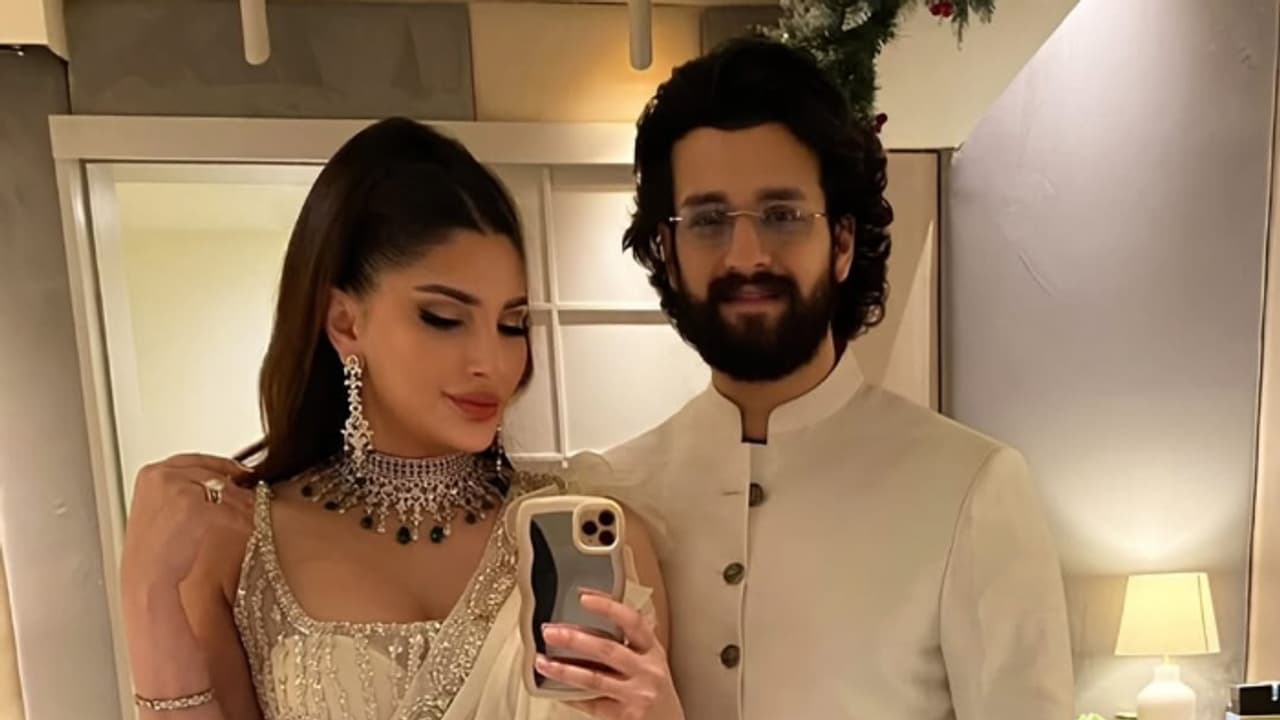
A hero’s career is often defined by blockbuster successes, but having someone who stands by them during difficult times can be just as important. Young actor Akhil Akkineni has now made an emotional revelation, crediting his wife, Zainab Ravdjee, as one of the biggest reasons behind his renewed confidence following the success of Lenin.
After the disappointing performance of Agent, Akhil went through one of the toughest phases of his career. It took him a long wait to score a commercial success, and Lenin has finally given him the much-needed breakthrough. While the film continues to perform well at the box office, Akhil made headlines during its grand success meet in Guntur with heartfelt comments about his wife.
The event was special for another reason as it marked the first public appearance of Akhil and Zainab together after their marriage. The couple received a warm welcome from fans, with their chemistry and bonding becoming one of the biggest highlights of the evening.
Speaking at the event, Akhil became emotional while talking about Zainab’s unwavering support. “My wife Zainab is my lucky charm. I lovingly call her ‘Bangaru Thalli.’ She has stood by me through the toughest three years of my life. She constantly encouraged me, believed in me, and gave me the strength to move forward,” he said.
His heartfelt words quickly went viral on social media, with fans appreciating the actor for openly acknowledging his wife’s role in helping him navigate a challenging phase in his career.
Like every actor, Akhil has experienced both successes and setbacks. However, making a strong comeback after a major failure is never easy. Following Agent, there were several questions surrounding his career and future as a leading hero. During that difficult period, the support of his family and close circle proved invaluable. With Lenin emerging as a commercial success, many believe Akhil has successfully re-established himself and regained his confidence.
Meanwhile, Zainab Ravdjee has also become a talking point in Tollywood. Belonging to a prominent business family, she has carved out an identity for herself as an artist. Since her marriage, she has largely stayed away from the media spotlight, making her appearance at the Lenin success meet all the more special.
Fans flooded social media with pictures and videos from the event, praising the couple’s adorable bond and expressing happiness over Akhil’s personal and professional success.
For Akhil, Lenin is more than just a commercial hit. The film represents a turning point in his career, restoring his confidence and giving him a fresh start. His emotional tribute to Zainab has added another memorable chapter to the film’s success story, with the couple now emerging as one of Tollywood’s most talked-about pairs.