




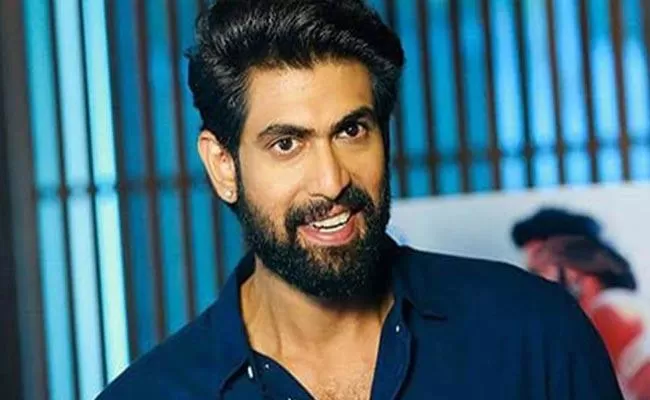
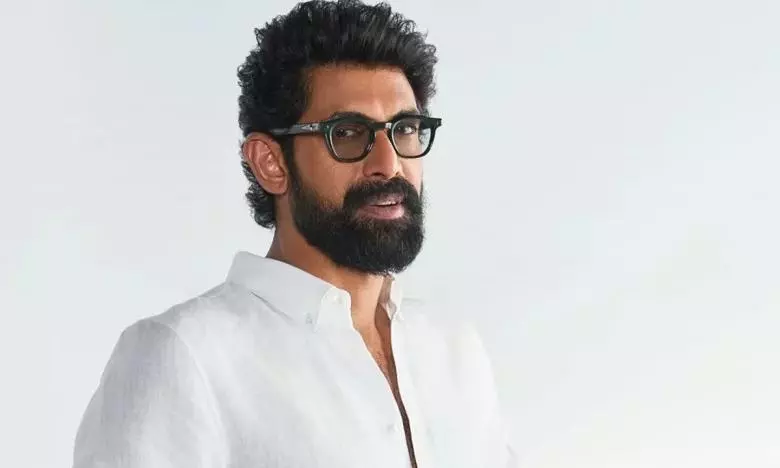
Rana Daggubati is more than just an actor; he is a producer and a dedicated supporter of Indian cinema. Long before the term “pan-India” became popular, Rana was already making his mark across multiple languages. He gained nationwide fame with his powerful antagonist role in Baahubali, directed by S. S. Rajamouli, where his towering screen presence and imposing physique made him one of Indian cinema’s most memorable villains.
However, life took an unexpected turn after Baahubali. Rana suffered kidney failure along with heart-related complications, forcing him to step away from films and professional commitments to focus entirely on his health. He traveled to the United States for a kidney transplant and spent months dedicated to recovery. During this period, his drastic weight loss became a major concern for fans and well-wishers.
In a candid conversation on Chapter 2 hosted by Rhea Chakraborty, Rana opened up about that challenging period and the difficulties of returning to an industry where his physicality once defined him. Rhea referred to him as the “hot guy from Hyderabad” steadily making a mark in Bollywood before his health scare. Following his treatment, Rana returned to India leaner and no longer resembling the imposing figure audiences remembered from Baahubali.
Rana revealed that he had several films lined up before falling ill, including physically demanding roles like a wrestler. “I didn’t look like those characters anymore. I was returning advances, and all that was happening,” he admitted. He also recalled fellow actor Varun Tej visiting him during recovery; midway through their conversation, Varun appeared more like the old Rana than he did himself. The sudden transformation left him unsettled, and not recognizing his own body was a major challenge.
Despite these hurdles, Rana has steadily rebuilt his career in recent years. In 2025, he starred in Kaantha alongside Dulquer Salmaan, Bhagyashri Borse, and Samuthirakani, a film he also co-produced. On the digital front, he headlined Season 2 of Netflix’s Rana Naidu and hosted The Rana Daggubati Show on Prime Video between 2024 and 2025. Additionally, he lent his voice to the popular anime series Solo Leveling, expanding his presence across multiple platforms.
From battling a life-threatening health crisis to reinventing himself on screen, Rana Daggubati’s journey is a powerful story of resilience, reinvention, and determination.

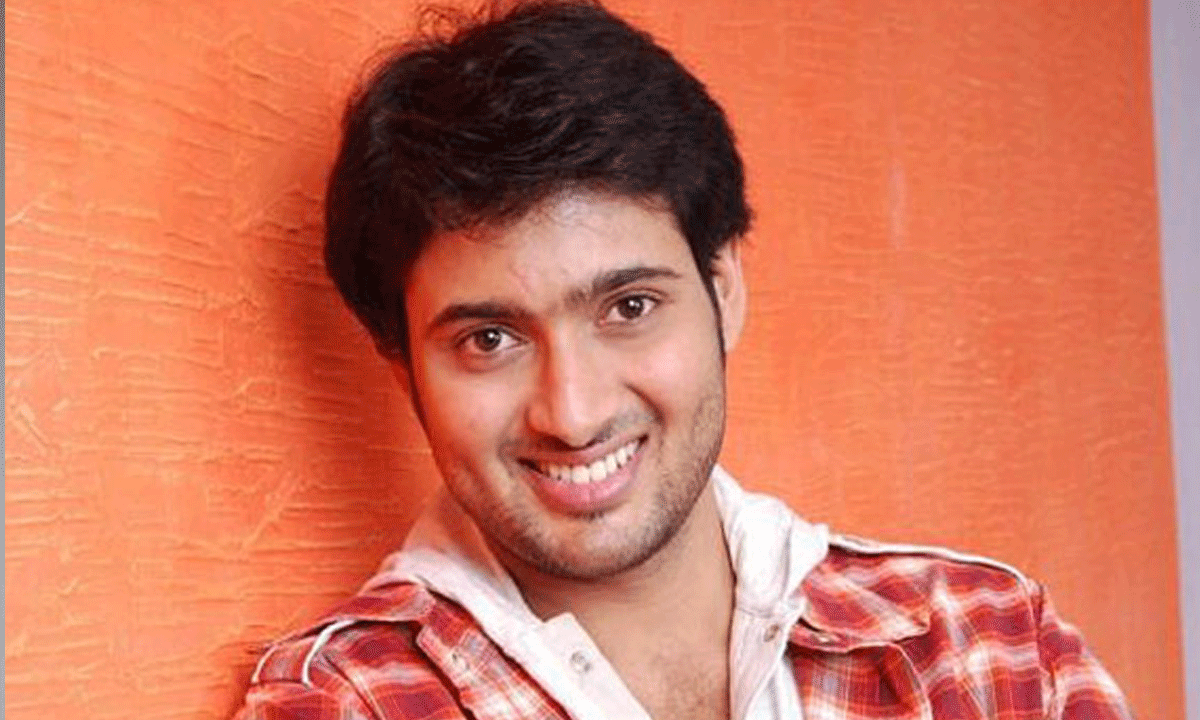


Dil Raju: “Producers No Longer Command Authority”
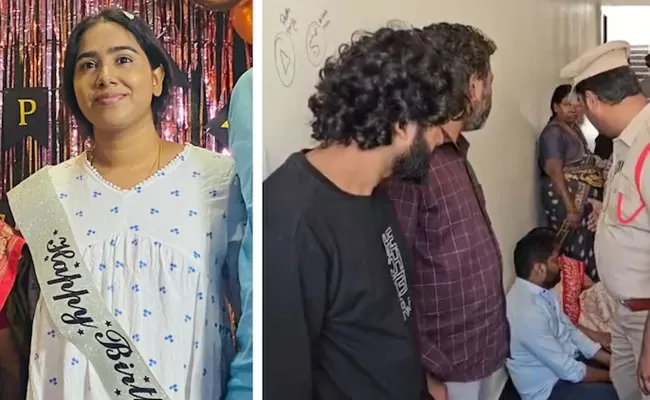
On the occasion of legendary producer Atluri Purnachandra Rao’s 90th birthday celebrations, Dil Raju made some striking observations about the changing dynamics of the film industry. Speaking openly from the dais, he remarked that the era when producers commanded authority and respect seems to have faded away.
He pointed out that traditionally, producers were the ones who invested money and created opportunities, while artistes received remuneration and recognition. In that system, those who “took” respected those who “gave.” But today, according to him, the trend appears reversed, with artistes increasingly commanding producers.
His comments have drawn attention because they reflect a widely discussed reality in today’s hero-driven industry. Producers often shoulder the financial burden and risks of filmmaking, yet star heroes tend to wield significant influence over creative and commercial decisions. From selecting heroines and directors to approving music composers and technicians, many key choices are often centered around the lead actor.
However, industry observers argue that this situation did not emerge overnight. There was a time when towering stars like N. T. Rama Rao and Akkineni Nageswara Rao enjoyed massive fan followings, yet they functioned within a system where producers maintained command and final authority. The shift, many believe, happened gradually as producers themselves began accommodating the growing demands and preferences of star heroes.
By consistently yielding to star power and prioritizing market-driven decisions, producers may have inadvertently strengthened the very imbalance they now question. That is why Dil Raju’s remarks are being interpreted by some not as a plea for sympathy, but as a reflection of “swayam krutaparadham” — a situation shaped by one’s own actions.
His candid words have once again reignited debate about power structures in the film industry and whether a healthier balance between creative control and financial responsibility can be restored.