



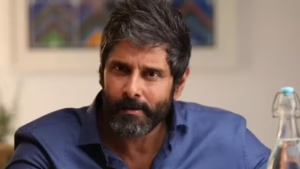






After Taxiwaala, actor Vijay Deverakonda has reunited with director Rahul Sankrityan for an ambitious period action drama titled Ranabaali. Set against the backdrop of British colonial rule, the film features Rashmika Mandanna as the female lead opposite Vijay and has been generating strong buzz ever since its announcement.
On the occasion of Republic Day, the makers unveiled a powerful glimpse that showcases the brutal exploitation of India by the British, portraying large-scale atrocities and suffering. The visuals suggest a genocide of massive proportions, described as being even more devastating than the Holocaust. The hard-hitting imagery, combined with a gripping background score composed by the Ajay–Atul duo, delivers a deeply emotional and haunting impact.
The glimpse introduces Vijay Deverakonda in a fierce avatar as Ranabaali, while Rashmika Mandanna is seen as Jayamma. Hollywood actor Arnold Vosloo, widely known for The Mummy franchise, plays the role of Sir Theodore Hector. The final moments of the teaser, highlighting Vijay’s intense and commanding screen presence, have particularly impressed audiences.
Produced on a grand scale by Naveen Yerneni and Y. Ravi Shankar under the Mythri Movie Makers banner and presented by T-Series, Ranabaali is set between 1854 and 1878, with a strong Rayalaseema backdrop. The story is inspired by real incidents from the 1850s that were either misrepresented or erased from mainstream history—stories of resistance that the British deliberately distorted by branding local heroes as rebels or savages.
Promising a powerful, raw, and never-before-seen narrative from the colonial era, the makers are confident that Ranabaali will offer a unique cinematic experience. The film’s release date has also been announced, with Ranabaali slated to hit theatres this September.











Red Book Fire Fades? YCP Dares Lokesh
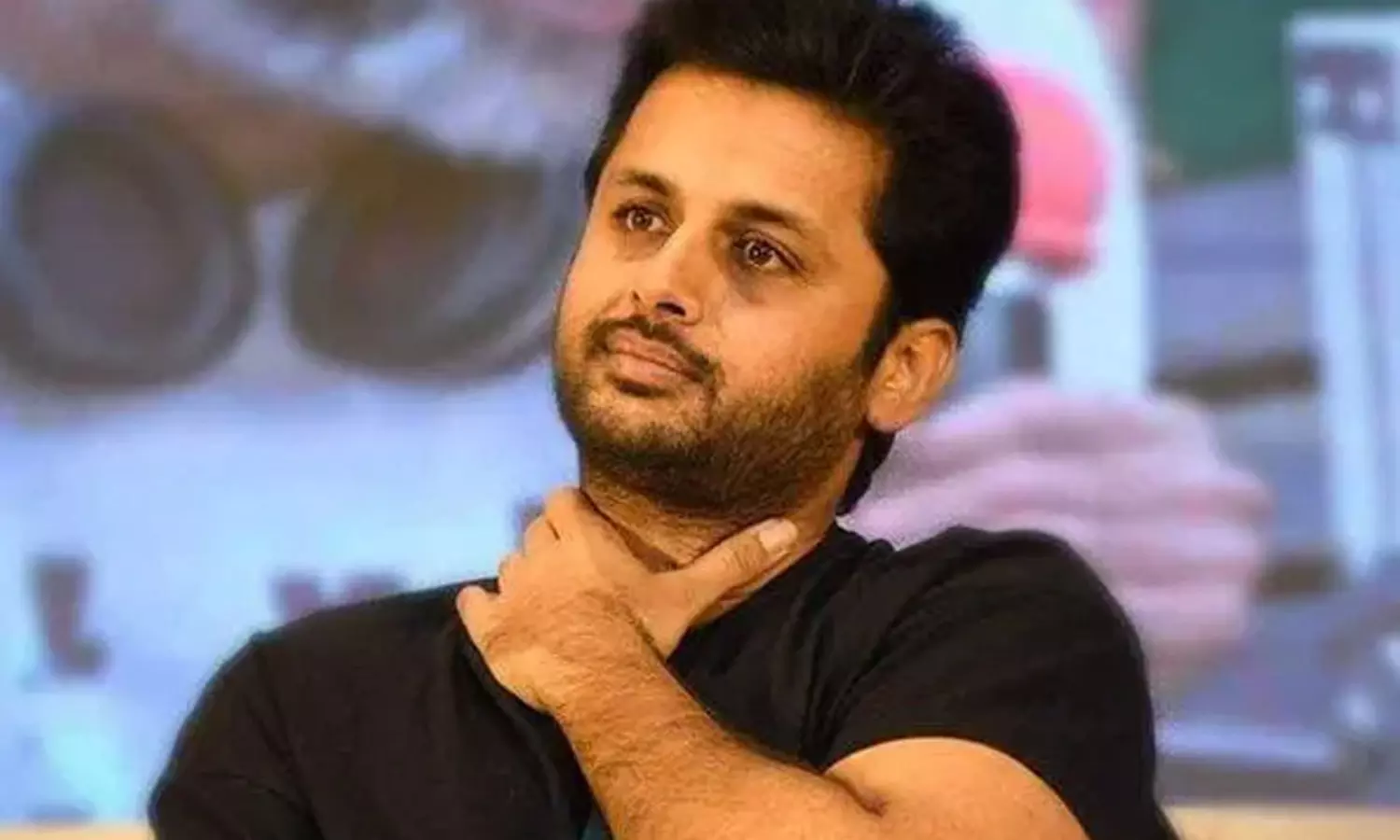
One of the key factors behind the revival of the Telugu Desam Party (TDP) in Andhra Pradesh was the much-publicized Red Book, announced by Nara Lokesh ahead of the elections. The concept struck a strong chord with party cadres, energising them across the state and instilling confidence that injustices faced during the YCP regime would not go unanswered. During the campaign, the Red Book became a powerful symbol of accountability and retribution, significantly boosting the morale of TDP workers.
However, after the formation of the NDA government, murmurs of dissatisfaction have begun to surface within the party ranks. Several TDP workers feel that the Red Book promise is not being implemented with the intensity and seriousness they had expected. According to them, the response against alleged YCP excesses has been relatively soft, leading to disappointment among cadres who fought aggressively during the elections.
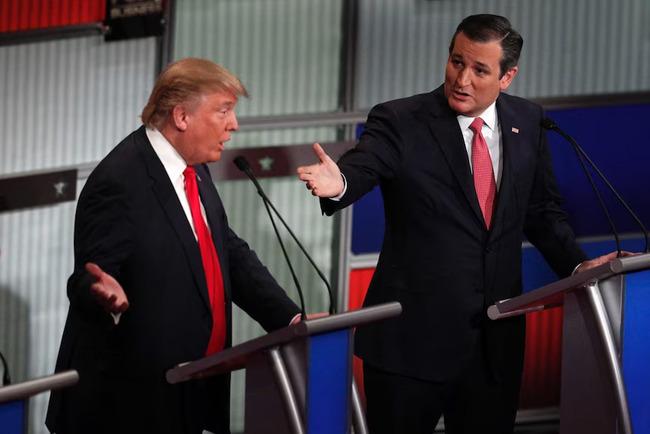
This perceived complacency seems to have emboldened YCP leaders, with some even openly mocking the Red Book. Senior YCP leader Ambati Rambabu’s recent remarks underline this shift in attitude. Taking a direct dig at Lokesh, Ambati said, “Who knows whether my name is even there in that Red Book? You should ask its author. Even if my name is there, I don’t care. Even my dog wouldn’t be scared of that book.” In Telugu, he remarked bluntly, “Aa Red Book ki naa kukka kuda bayapadadu.”
By openly challenging Lokesh and daring him to act, Ambati’s statement reflects a growing belief among YCP leaders that the threat of the Red Book has weakened. Political analysts observe that after an initial phase where a few YCP leaders were jailed for alleged antisocial activities, the momentum appears to have slowed, leading to a loss of fear within the opposition camp.
Whether the TDP leadership will reignite the Red Book agenda with renewed force remains to be seen. For now, YCP leaders seem increasingly confident, testing the limits and openly questioning the seriousness of the promised action.