









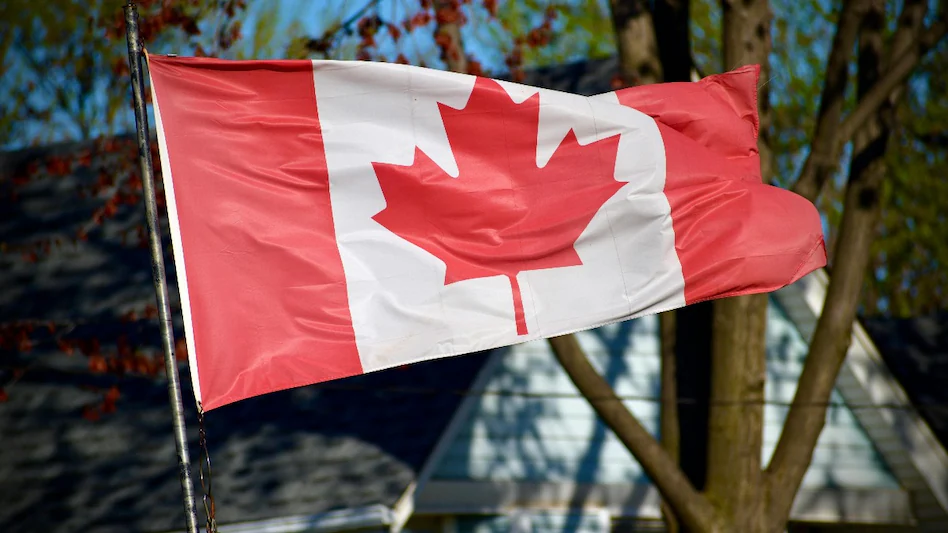
International students planning to study and work in Canada in 2026 have received long-awaited clarity on a key immigration pathway. Immigration, Refugees and Citizenship Canada (IRCC) has confirmed that it will not make any changes this year to the list of academic programs eligible for the Post-Graduation Work Permit (PGWP).
The confirmation was issued through an update published on IRCC’s official website on January 15, 2026, effectively freezing the current eligibility framework for the remainder of the year. This means no academic programs will be added to or removed from the PGWP eligibility list in 2026.
The decision marks a shift from earlier government guidance. In 2025, federal authorities had signalled that a major revision of PGWP-eligible programs would take place in early 2026. That planned overhaul has now been deferred, providing regulatory stability for students and post-secondary institutions alike.
The PGWP allows eligible international graduates to work in Canada after completing their studies and is widely regarded as a critical stepping stone toward permanent residence, as it enables graduates to gain valuable Canadian work experience.
In 2024, IRCC introduced a field-of-study requirement for certain PGWP applicants. Under this rule, some international students—primarily those enrolled in non-degree programs such as certificates and diplomas—must complete studies aligned with occupations facing long-term labour shortages in order to qualify for a work permit.
Graduates with bachelor’s, master’s, or doctoral degrees are exempt from this restriction and remain eligible for a PGWP regardless of their field of study.
What the 2026 freeze means for students
For prospective international students, the freeze removes uncertainty around course selection. Those enrolling in Canadian institutions in 2026 can rely on the existing PGWP eligibility list when choosing programs that align with post-study employment plans.
Currently, IRCC’s approved list includes 1,107 PGWP-eligible programs across key sectors such as healthcare and social services, education, skilled trades, agriculture, STEM disciplines, and transportation.
Students graduating from colleges and other non-degree programs are advised to verify eligibility carefully, as PGWP approval depends on whether their program appears on IRCC’s approved list.
How to check eligibility
Applicants in non-degree programs must consult IRCC’s list of eligible Classification of Instructional Programs (CIP) codes before applying for a study permit or PGWP. A CIP code is a six-digit identifier used to classify post-secondary programs by discipline, and only programs linked to approved codes qualify under the field-of-study requirement.
Background from 2025
In June 2025, IRCC expanded PGWP eligibility by adding 119 new fields of study, while removing 178 others. However, the government later paused those removals, allowing all previously eligible programs to remain valid through 2025.
With the eligibility list now frozen for 2026, those 178 programs continue to qualify for PGWP approval. Following the 2025 revisions, the total number of eligible programs increased from 920 to 1,107—a figure that will remain unchanged until at least the end of 2026.








Cyberabad Police Book 73 in Anasuya Bharadwaj Online Harassment Case
The Cyber Crimes wing of Cyberabad Police has booked 73 individuals, including social media influencers, content creators and journalists, following a complaint filed by popular anchor-turned-actress Anasuya Bharadwaj over alleged online harassment.
According to the complaint, the issue began on December 22 after Telugu actor Sivaji made remarks stating that women should wear sarees or fully covered outfits and that “beauty lies in complete attire and not in displaying physical assets.” His comments triggered widespread criticism across social and mainstream media.
On December 23, several media outlets sought Anasuya Bharadwaj’s reaction to the issue, to which she responded by supporting individual freedom and personal choice. However, the controversy escalated the next day when Sivaji reportedly mentioned Anasuya by name while discussing the matter publicly.
Following this, Anasuya alleged that multiple television channels, digital platforms and content creators began targeting her with abusive commentary. She further claimed that she received sexually explicit, obscene and threatening messages through social media, leading her to approach the police.
Based on her complaint, Cyberabad Police registered a case under Sections 75 (sexual harassment), 79 (acts intended to insult the modesty of a woman), 336(4) (forgery for harming reputation), 351 (criminal intimidation) and 356 (defamation) of the Bharatiya Nyaya Sanhita (BNS), along with Sections 66-E and 67 of the Information Technology Act.
The 22-page First Information Report (FIR) names several individuals, including Mother Rural Education Society director Bojja Sandhya Reddy, public commentators Priya Chowdary Gogineni and Vijayalakshmi, social media influencer Pavani, artist and commentator Shekhar Bhasa alias Raja Sekhar Gudimella, and advocate Rajni, among others.
Police officials stated that an investigation is currently underway and further action will be taken based on evidence and digital forensic analysis.