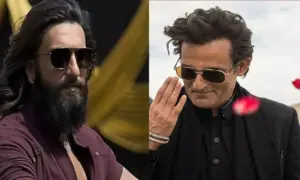
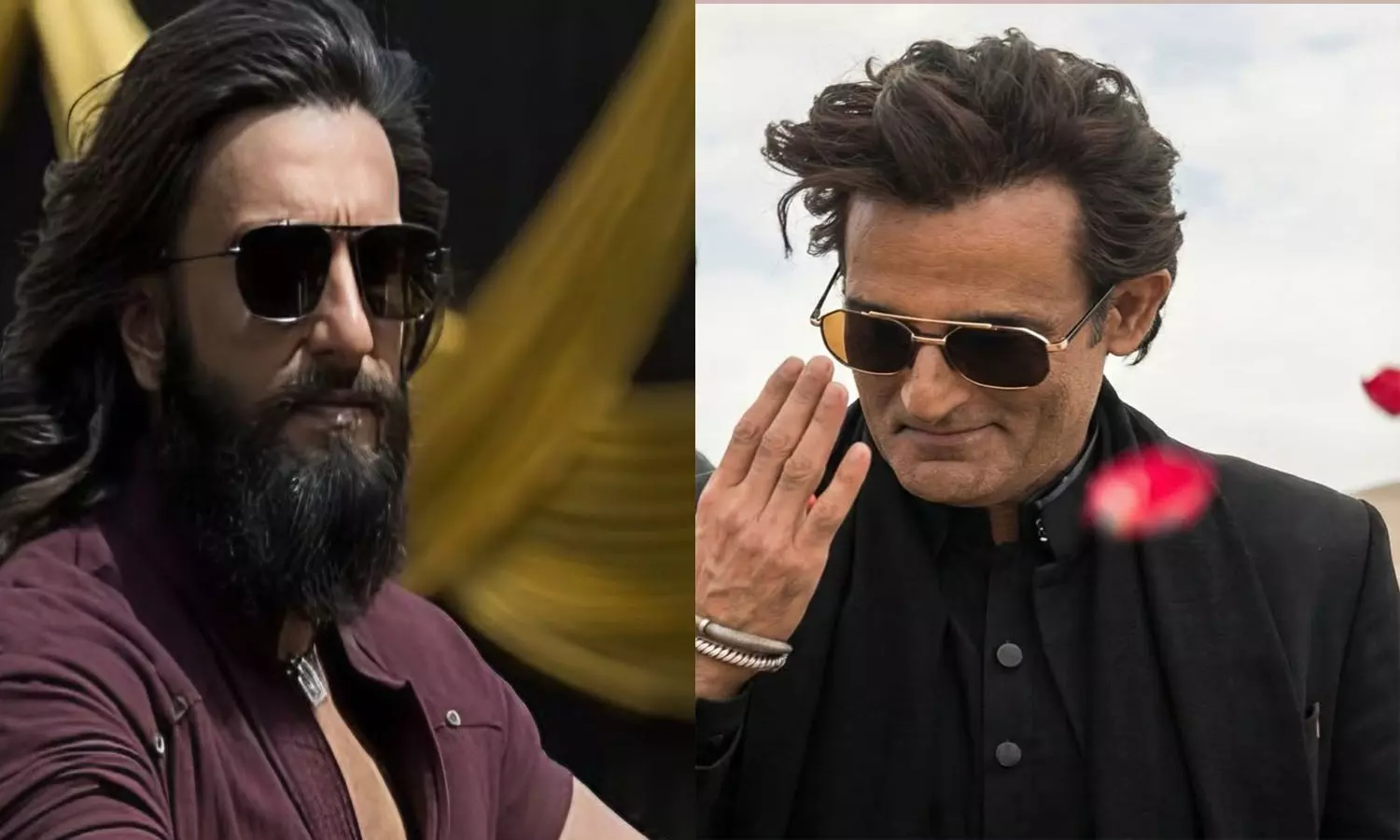
Watching Dhurandhar in theatres, one might be surprised to hear loud cheers and whistles—not for the hero, nor the heroine, but for the villain, Rehman Dakait, masterfully portrayed by Akshaye Khanna. The trend of new-age antagonists stealing the limelight from traditional heroes is clearly visible in contemporary cinema. Directed by Aditya Dhar, Dhurandhar has captivated audiences, and a major reason behind its success is the sheer presence of Rehman Dakait. A ruthless underworld don, he combines violence with charisma and a layered backstory, making him unforgettable.
Traditionally, films revolve around three central roles: the hero, the heroine, and the villain. The antagonist has often been a tool to highlight the hero’s strengths. However, modern narratives are challenging this formula. Complex and multi-dimensional villains are now gaining prominence, engaging audiences not just as foils, but as characters with depth, style, and intrigue.
In Dhurandhar, Rehman Dakait is introduced as a formidable gangster from Balochistan involved in smuggling and illegal arms, yet his softer sides—loving father, husband, and political influencer—emerge subtly, adding layers to the character. His entry, accompanied by the song ‘FA9LA’ and Akshaye’s signature steps, immediately established him as a style icon and a scene-stealer. The careful combination of charisma, narrative depth, and Akshaye’s seasoned acting makes the character truly memorable.
A similar trend is seen in Sandeep Reddy Vanga’s Animal, where Abrar (Bobby Deol) and his entry song Jamaal Kudu captured audience admiration. Even in Family Man Season 3, the antagonist Rukma, portrayed by Jaideep Ahlawat, showcases how subtlety and depth in a villain’s persona can create lasting impact.
Dhurandhar also blurs the traditional line between protagonist and antagonist. In the climax, titled ‘Et Tu Brutus’, Rehman is betrayed by Hamza (Ranveer Singh), a trusted confidant. Even after his death, Rehman’s presence lingers in the audience’s mind, emphasizing the moral ambiguity of both characters. This narrative complexity, combined with strong performances, cements the villain’s role as an essential, celebrated element of modern storytelling.








Anasuya Slams Patriarchy, Hits Back at Shivaji Comments
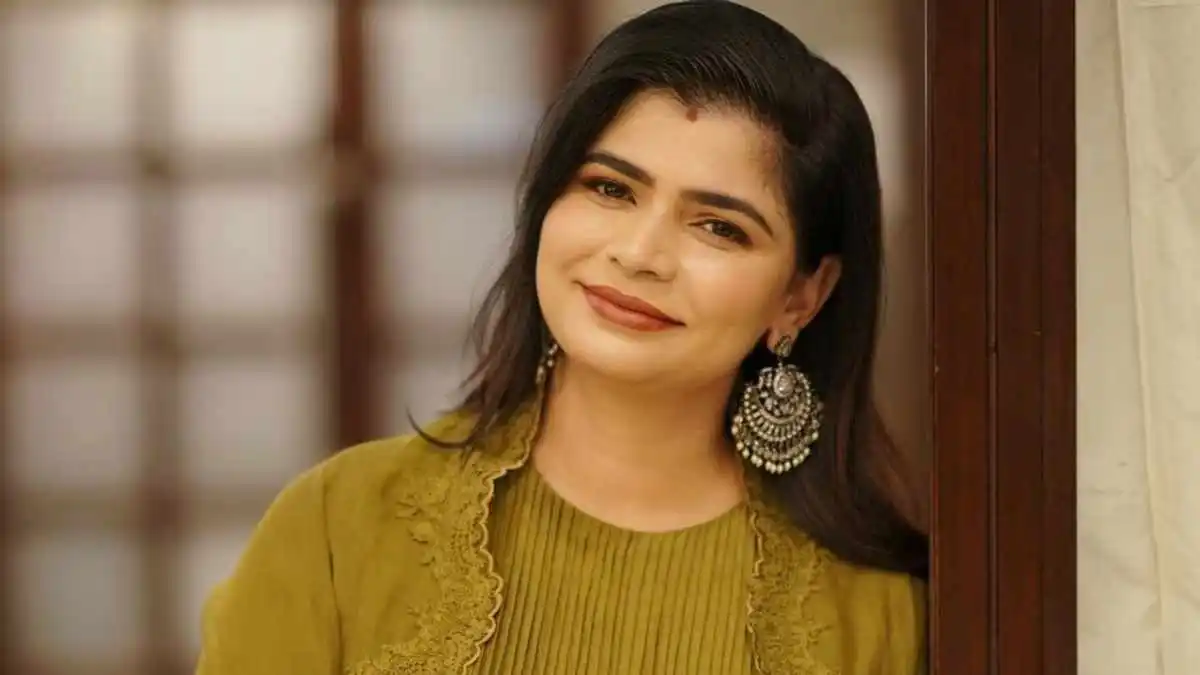
The controversy surrounding actor Shivaji’s comments on the dressing sense of heroines continues to escalate. While Shivaji had previously apologized for using inappropriate language, he recently defended his remarks, claiming his intentions were good. However, this defense has not been well-received. He also mocked Anasuya, suggesting that she and singer Chinmayi were provoked by online tweets, downplaying why Anasuya was engaging in the debate.
Reacting strongly, Anasuya posted a detailed note on social media, highlighting the underlying issues. She pointed out that many men—and even some women—fear losing control over women and are driven by a patriarchal ego. “People with this mindset often target progressive women, trying to belittle them or use their age against them,” she wrote.
She urged society to recognize that equality and respect are universal: “We don’t necessarily have to carry forward outdated habits or beliefs from previous generations. We can choose to change, protect our dignity and freedom, and empower one another.” Anasuya emphasized that a person’s worth comes from their choices, not societal judgment. She also appealed to media outlets to act responsibly and avoid glorifying those who demean women for their choices.