








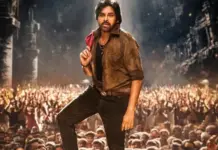

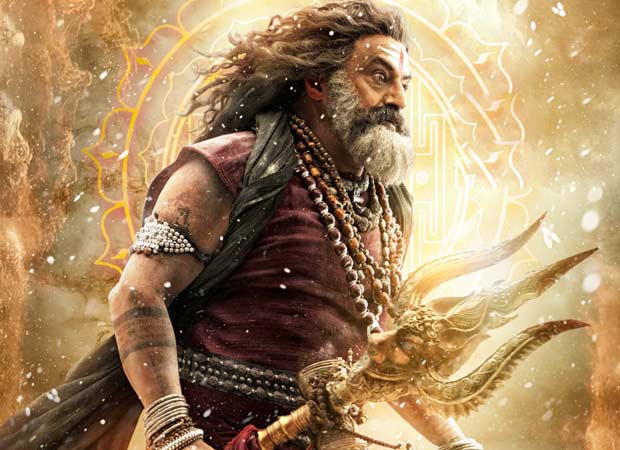
With the release date fast approaching, the makers of Akhanda 2 have escalated their promotional campaign, unveiling the theatrical trailer last night. Unlike the first installment, the team is gearing up for a full-fledged pan-India release, with a special focus on the North Indian market, given the universal appeal of the film’s core theme.
From the trailer and director Boyapati Srinu’s statements, it is evident that Akhanda 2 is deeply rooted in Sanatana Hindu Dharma. Films based on Hinduism, mythology, and spiritual philosophy have consistently shown strong pan-India traction, especially in the Hindi-speaking belt. The big question now is whether this powerful Sanatana Dharma-driven narrative can captivate North Indian audiences and deliver strong openings.
The trailer showcases Nandamuri Balakrishna in a fierce avatar, battling evil forces to protect Dharma. Dialogues like:
“Ee prapanchamlo ye desham vellina meeku akkada kanipinchedi oke matham. Ee deshamlo etu chusina kanipinchedi oke dharmam — Sanatana Haindhava Dharmam.”
underscore the film’s ideological depth.
Explaining the premise further, Boyapati stated:
“Deshanni apakeerthiloki teesukelladaniki prayathnisthe… Dharmame trishulam pettukoni yuddhaniki diguthundi.”
These elements position Akhanda 2 as a high-voltage action drama celebrating the protection of Sanatana Dharma. If the content resonates, the film has the potential to make a strong impact across regions, especially in the North.







RGV Slams Piracy, Calls for Punishing Viewers Too
Filmmaker Ram Gopal Varma has once again stirred debate, this time by addressing the widespread problem of film piracy through a hard-hitting social media post.
The Sarkar director called out not only the suppliers of pirated content but also the people who actively consume and support it. Taking to X (formerly Twitter), RGV wrote:
“ROBIN HOOD RAVI… Piracy will never stop. Not because technology is too advanced or policing too weak, but because as long as there are a large number of people to watch a pirated film, there will always be Ravis to serve them. The funniest thing is Ravi supporters proudly comparing him to Robin Hood as if they discovered some Nobel Prize–winning logic.”
He went on to argue that glorifying piracy by comparing it to Robin Hood–style heroism is deeply flawed.
RGV added, “Robin Hood is not a hero. By today’s definition, he is the world’s first recorded terrorist. He loots and kills the haves to give to the have-nots, and the only ‘crime’ of the rich is that they are rich. It is depraved to think financial success is a crime punishable by theft and murder. Romanticizing a criminal as a saint because the recipients get stolen goods for free shows extreme ignorance.”
The filmmaker further mocked the justification that movie tickets are too expensive. He argued that by the same logic, people should also support robbing luxury car showrooms and distributing BMWs for free.
RGV warned that such thinking would only lead to social breakdown and anarchy. According to him, people don’t watch pirated content due to moral principles—they do it simply because “it’s convenient.”
However, he didn’t stop at criticism and proposed a controversial solution to stop piracy.
RGV suggested that authorities should criminalise viewers in addition to suppliers.
“Catching the pirate is difficult because he hides behind secret digital ghettos. But catching the viewer is easy. Arrest 100 random people watching pirated content and publicise their names,” he wrote.
With this bold stance, Ram Gopal Varma has reignited conversation about India’s ongoing battle with piracy and the mindset that enables it.