









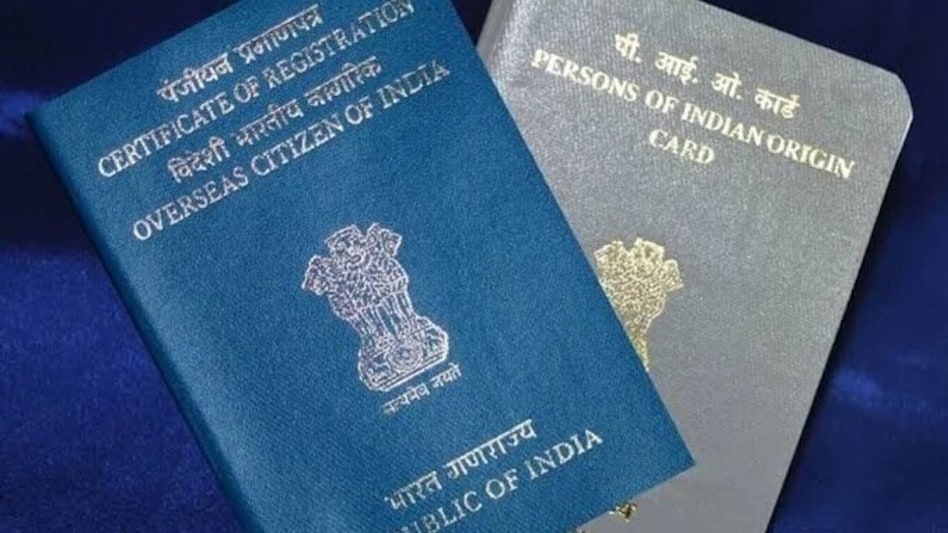
The Centre has revised the fee structure for Overseas Citizen of India (OCI) services, with the updated charges coming into effect from April 1, 2026. The move aims to standardise costs across application categories while also introducing stricter compliance requirements for existing cardholders.
Launched in August 2005, the OCI scheme allows Persons of Indian Origin (PIOs) who were eligible for Indian citizenship as of January 26, 1950, or later, to register as OCI cardholders, subject to certain restrictions. OCI status functions as a lifelong visa, enabling foreign citizens of Indian origin to live, work, and travel to India without requiring separate visas.
The OCI card also offers parity with Non-Resident Indians (NRIs) in several financial, economic, and educational areas. However, it does not confer political rights or permit the purchase of agricultural or plantation land.
Revised fee structure
Under the new rules, fresh OCI applications submitted within India will now cost ₹15,000. Payment must be made via demand draft in favour of the “Pay and Accounts Officer (Secretariat), Ministry of Home Affairs,” payable at New Delhi.
For applicants applying from abroad, the fee has been fixed at $275, though the final amount in local currency may vary based on exchange rates and the respective Indian mission’s guidelines.
The government has also revised charges for additional services. Re-issuance of OCI cards due to a new passport or changes in personal details will cost $25. In cases of lost, damaged, or mutilated OCI cards, a duplicate booklet will cost $100. Conversion of PIO cards into OCI cards will also attract a $100 fee.
A key compliance update requires OCI cardholders to update their details within three months of receiving a new passport. Failure to comply will result in a $25 penalty, reflecting the government’s push for timely record maintenance.
The OCI application process remains fully digital, with applicants required to register through the official OCI portal, upload necessary documents, photographs, and signatures, and follow prescribed guidelines.
Foreign nationals who were eligible for Indian citizenship on or after January 26, 1950, or their descendants, can apply. Spouses of Indian citizens or OCI holders are also eligible, provided the marriage has been legally registered and has lasted at least two years.
OCI cardholders are granted a multiple-entry, multi-purpose lifelong visa and are exempt from registering with the Foreign Regional Registration Officer (FRRO), regardless of their length of stay in India. They are permitted to open bank accounts, invest, and purchase non-agricultural property.
The OCI scheme, which absorbed the earlier PIO card programme in 2015, now treats all existing PIO cards as OCI cards. With the revised fee structure and stricter compliance rules, the government aims to improve administrative efficiency and ensure better data accuracy in OCI services.
Recent Random Post: