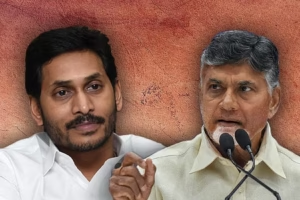









అసెంబ్లీలో ఎమ్మెల్యే శ్రీధర్ వీడియో కాల్ : BIG Twist in MLA Arava Sridhar Case
Sai Abhyankar: The Next Big Music Sensation in South Cinema?
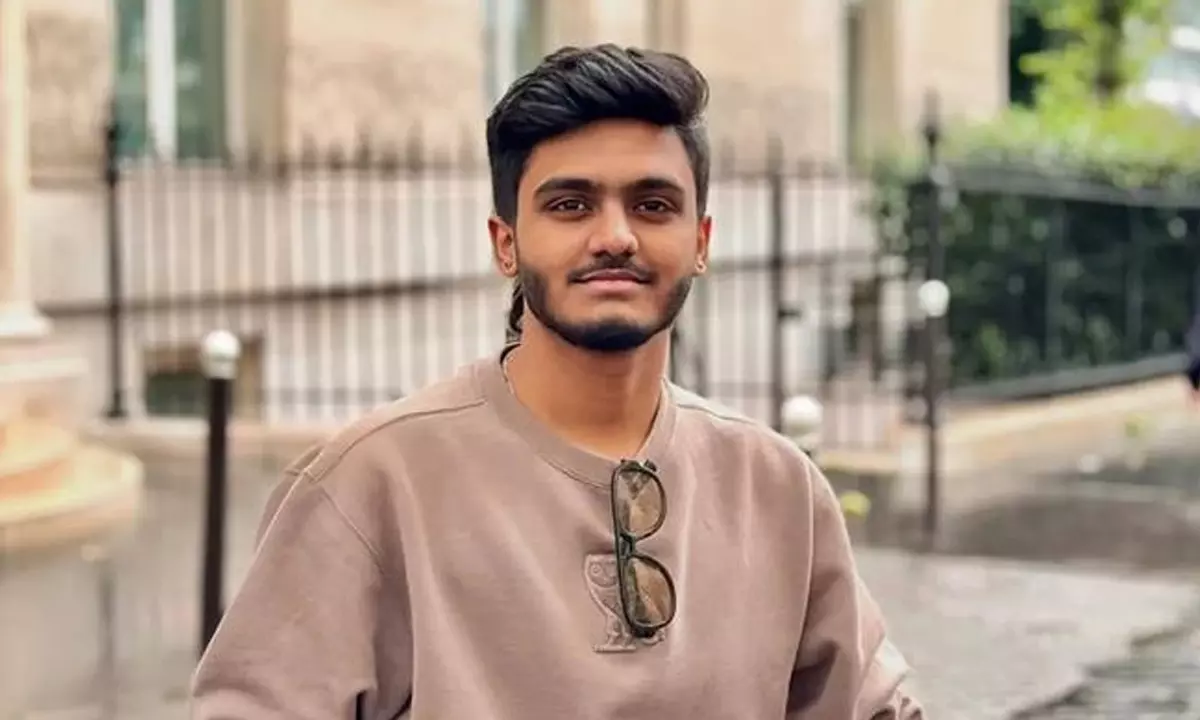
When the song “Aasa Kuda” went massively viral and started playing everywhere, music lovers across the country took notice of one name — Sai Abhyankar. At just 20 years old, the young sensation stunned listeners yet again with “Katchi Sera”, proving that the earlier success was no fluke. His work as both composer and singer for “Dude” further showcased his versatility and left a strong impression on audiences and industry insiders alike.
What truly stands out is the kind of projects Sai Abhyankar already has in his kitty. His biggest upcoming assignment is the much-awaited Allu Arjun–Atlee film, a massive platform for any composer. Alongside this, he is composing music for Suriya’s Karuppu, Karthi’s Marshal, and it has now been officially confirmed that Dhanush’s next film will also feature his music. Adding to the list, Sai Abhyankar is on board for #LCU film Benz and Sivakarthikeyan’s upcoming project, making his lineup one of the most exciting among young composers today.
If these films translate into musical blockbusters, Sai Abhyankar could very well emerge as the next big music sensation of South India. History has shown that composers who deliver multiple blockbuster albums back-to-back — from AR Rahman in the 90s, DSP in the 2000s, to Anirudh and Thaman in the 2010s — go on to dominate an era. All eyes are now on Sai Abhyankar to see if he can follow the same legendary path.
Ram Charan’s Peddi May Skip Birthday Release, Eyes May 1 Slot

Ram Charan was initially expected to hit theatres with Peddi on his birthday, March 27. However, due to delays in production, strong buzz about a postponement had been doing the rounds for some time — and it now appears to be almost certain that the film will not make its planned birthday release.
With March 27 officially ruled out, the makers are actively considering a new release window. Latest developments suggest that the team is now eyeing May 1 as a potential release date. This slot is being seen as ideal, as production is expected to wrap up by then, leaving sufficient time for promotions.
However, the May 1 date comes with its own complication. Akhil Akkineni’s upcoming film Lenin has already locked this slot, with the makers announcing the release date well in advance and kickstarting promotions. The film holds significant importance for Akhil, as it marks a crucial attempt to bounce back after the disappointing response to Agent. Reports indicate that Akhil is confident and optimistic about Lenin, making a postponement a tough call.
If Peddi were to target the May 1 window, it would require considerable negotiation, as the Lenin team has been firmly working toward this date. Given that Ram Charan and Akhil share a close friendship, the chances of both films clashing at the box office appear minimal.
Ultimately, it may come down to which production house is able to convince the other and secure the suddenly high-demand May 1 release slot. The situation is being closely watched by trade circles, as it could significantly impact both films’ box-office prospects.
Vijay Deverakonda Set for Comeback with Ranabaali and Rowdy Janardhan

For a long time, Vijay Deverakonda has been regarded as one of Telugu cinema’s most promising stars. Despite a few ups and downs in his career, he continues to command attention, and his upcoming projects are generating significant buzz.
Vijay is poised for a potential grand comeback with Ranabaali and Rowdy Janardhan, both carefully chosen to highlight his strengths while allowing him to expand his acting range. Ranabaali is shaping up to be an intense, story-driven film with a strong technical team and a vision that blends scale with substance. In contrast, Rowdy Janardhan promises a mass entertainer that reconnects Vijay with the raw energy and charisma that established him as a youth icon.
Early reports suggest both films strike a balance between commercial appeal and meaningful drama, giving Vijay ample scope for memorable performances. Trade analysts believe that if both films succeed, Vijay Deverakonda could firmly reestablish himself as one of the most exciting leading actors of his generation. Audiences are eagerly awaiting these releases, hoping to witness a star reclaim his momentum.
Aishwarya Rajesh Says Big Success Didn’t Boost Her Career

Last Sankranti, Sankranthiki Vastunnam, starring Venkatesh, Aishwarya Rajesh, and Meenakshi Chaudhary, became a blockbuster, raking in impressive box-office numbers within days. Despite this success, Aishwarya Rajesh revealed that the hit did not significantly elevate her career.
Speaking about her journey, the actress noted that even after delivering a major commercial success, she has not been offered projects with big stars or large-scale films. She reflected on the harsh reality that the industry often operates on different criteria, independent of individual success.
Currently, Aishwarya is working alongside Tiruveer in O Sukumari. She expressed that while she hasn’t yet received widespread applause or blockbuster offers, she remains focused on meaningful projects that provide her creative satisfaction and continue to build her career steadily.
Samantha to Be Credited as “Samantha Nidimoru” in Maa Inti Bangaram

After marrying her longtime beau Naga Chaitanya, Samantha updated her social media name to Samantha Akkineni. Following marital troubles, she first shortened it to “S” and eventually reverted to her original name, Samantha Ruth Prabhu. After marrying director Raj Nidimoru, Samantha has not changed her social media handles, sparking speculation among fans about whether she is consciously avoiding a repeat of her past experience.
Industry sources now suggest that Samantha may adopt her husband’s surname in a unique way—through her upcoming film. In Maa Inti Bangaram, which she is also producing, she is reportedly being credited as Samantha Nidimoru in the title cards. This approach allows her to maintain her social media identity while publicly acknowledging her marriage.
Following the trailer’s positive response, Samantha is hopeful that Maa Inti Bangaram, directed by Nandini Reddy, will deliver her a summer blockbuster after her previous outing, Subham. The film also aims to strengthen her position in Tollywood as a leading heroine capable of carrying female-centric projects.
Prabhas’ Fauji Set for Dussehra Release Across Six Languages

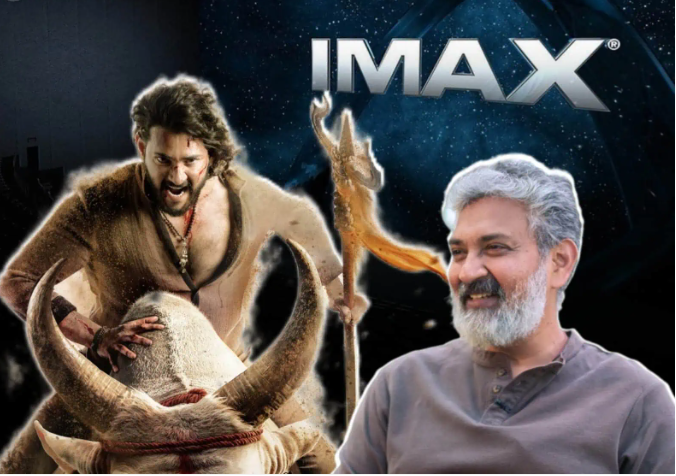
The Prabhas–Hanu Raghavapudi film Fauji is slated for a Dussehra release. The first look of this pan-India project, produced by Mythri Movie Makers and presented by Gulshan Kumar and Bhushan Kumar of T-Series, has already garnered a tremendous response. Director Hanu Raghavapudi promises to showcase Prabhas in a powerful new avatar.
Imanvi will play the female lead, while veteran actors Anupam Kher, Mithun Chakraborty, Jayaprada, and Bhanu Chander will appear in key roles. The shooting schedule will continue without breaks until wrap, with the makers describing the film as shaping up into a “visual wonder.”
The film’s technical team includes cinematographer Sudeep Chatterjee (ISC), music composer Vishal Chandrasekhar, production designer Anil Vilas Jadhav, and editor Kotagiri Venkateswara Rao. Fauji will release in Telugu, Hindi, Tamil, Kannada, Malayalam, and Bengali, marking it as a major pan-India cinematic event.

Elon Musk Explores Mergers Between SpaceX, Tesla, and xAI
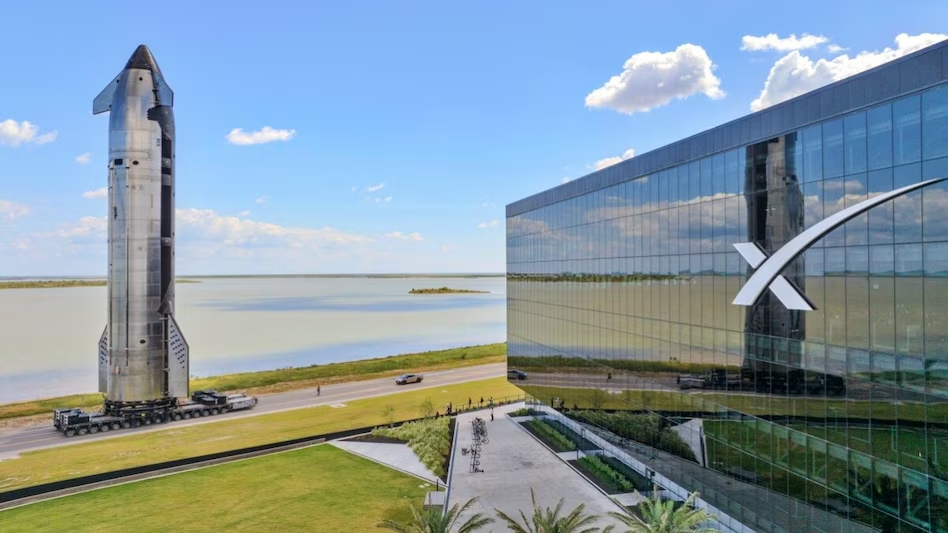
Elon Musk is reportedly exploring ways to consolidate his business empire, with SpaceX considering a potential merger with either Tesla or his artificial intelligence startup, xAI.
According to Bloomberg, discussions are in the early stages, and no final decisions have been made. While SpaceX is preparing for a possible IPO later this year, some investors are reportedly pushing for a merger with Tesla, which would combine the leading private space company with the publicly traded electric vehicle giant.
Alternatively, SpaceX is considering a tie-up with xAI, potentially exchanging xAI shares for SpaceX stock. Documents filed in Nevada this month revealed the creation of two new corporate entities, listing SpaceX CFO Bret Johnsen as an executive, which could facilitate such a transaction.
Musk’s consolidation plans appear to align with his vision for orbital computing. At the World Economic Forum in Davos, he suggested space could be the “lowest-cost place to put AI” thanks to abundant solar energy. A merger could leverage Tesla’s energy storage expertise and SpaceX’s Starlink infrastructure to support xAI’s “Grok” AI model in orbit.
The news immediately moved markets, with Tesla shares rising as much as 4.5% in after-hours trading. Analysts say any deal would likely attract interest from infrastructure funds and Middle Eastern sovereign wealth funds, though it would face heavy regulatory scrutiny due to Musk’s overlapping leadership roles.
Dennis Dick, chief market strategist at Stock Trader Network, said, “Musk has too many separate companies. A major risk thesis for Tesla is that Musk is spreading himself too thin. As a Tesla shareholder, I applaud further consolidation.”
Apple Posts Record Revenue Driven by iPhone 17 and Strong India Growth
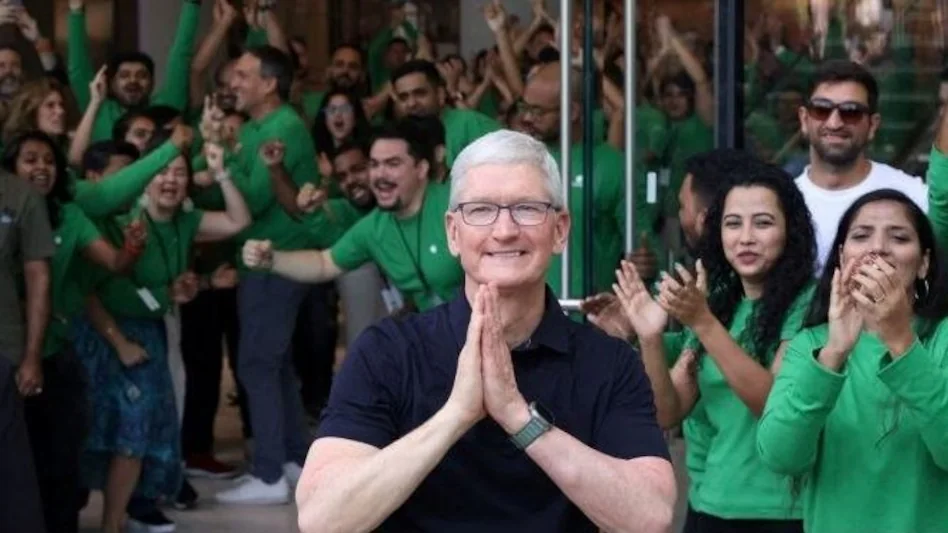
Apple Inc. posted its highest-ever quarterly revenue, driven by strong demand for the iPhone 17 lineup in India and other emerging markets, highlighting the country’s growing role in the company’s global growth strategy.
For the quarter ending December 27, revenue rose nearly 16% year-on-year to $143.8 billion, while net income reached a record $42.1 billion. iPhone sales were the primary contributor, generating $85.3 billion. CEO Tim Cook noted accelerating momentum in newer markets, with India showing strong double-digit revenue growth. He added that the iPhone achieved “all-time” records across every geographic segment.
The results underscore Apple’s strategy to expand beyond mature markets such as the US and Europe, with India increasingly central to both sales and manufacturing growth.
Apple’s Services segment also reached a milestone, surpassing $30 billion in revenue for the first time. This unit, which includes the App Store, Apple Music, and iCloud, benefits from a global installed base exceeding 2.5 billion active devices. The company is further investing in “Apple Intelligence,” its AI platform, including a collaboration with Google to enhance Siri through a mix of on-device processing and private cloud computing.
However, Mac revenue fell 7%, reflecting challenging year-on-year comparisons, and Wearables declined 2% due to supply constraints for the new AirPods Pro 3.
CFO Kevan Parekh highlighted that record performance and strong margins drove a 19% increase in EPS, generating nearly $54 billion in operating cash flow, with $32 billion returned to shareholders. Apple expects the momentum to continue into the spring quarter, even as rising memory component costs remain a broader industry challenge.
Why France Is Emerging as a Top Study Destination for Indian Students

France is rapidly emerging as a strong study-abroad destination for Indian students, driven not just by its world-class universities and cultural appeal, but also by policy reforms, post-study opportunities, and relatively affordable education costs.
According to Mayank Maheshwari, Co-Founder and COO of University Living, France is increasingly being viewed as a practical and long-term education choice rather than just a lifestyle destination. Data from University Living’s European Student Landscape: Beyond Beds and Benches Report shows that France hosted nearly 2.9 million students in 2024, making it one of Europe’s largest higher-education hubs. While domestic students accounted for 89%, international students made up 11% of the total. Of these, 7,344 students were from India, a figure Maheshwari expects to grow sharply. He estimates Indian student numbers could rise by over 200% by 2030, driven by expanding middle-class aspirations and demand for globally recognised degrees.
Policy reforms improving student outcomes
France’s evolving visa and employment policies are playing a key role in boosting its appeal. Maheshwari notes that long-stay student visas now permit part-time work during studies, while non-EU graduates are eligible for a two-year post-study work visa. Scholarship opportunities through programmes such as Eiffel, Charpak, and Erasmus+ further reduce financial pressure, while public university tuition remains among the lowest in Europe.
Housing supply is also being addressed. France plans to add 35,000 affordable student housing units by 2027, alongside growing private Purpose-Built Student Accommodation (PBSA) projects. The expansion of English-taught programmes and new career pathways linked to the €100 billion France Relance initiative are also strengthening France’s position among international students.
Globally ranked universities drawing Indian interest
France’s academic reputation continues to rise in global rankings. In the QS World University Rankings 2025, leading institutions include Paris Sciences & Lettres (PSL University) at 24, Institut Polytechnique de Paris at 46, Sorbonne University at 63, and Paris-Saclay University at 73. These rankings have made France an attractive option for Indian students, particularly those pursuing STEM, engineering, and research-oriented programmes.
Cost of living: Paris versus student-friendly cities
Living expenses in France vary widely by city. Maheshwari highlights that Paris remains the costliest, with average monthly expenses around €1,723 (approximately Rs 1.89 lakh). In contrast, cities such as Lyon and other regional centres offer a more affordable range of €1,100–€1,130 (Rs 1.2–1.23 lakh) per month. Accommodation alone typically accounts for 40–55% of monthly expenses, and choosing smaller cities can help students save €400–€600 (Rs 44,000–66,000) each month compared to Paris.
Housing options for Indian students
France offers a range of accommodation choices, including CROUS residences, off-campus rentals, PBSA, and homestays. CROUS housing remains the most economical at €200–€400 (Rs 22,000–44,000) per month, though availability is limited. Off-campus rentals range between €500 and €1,200 (Rs 55,000–1.31 lakh), while PBSA options in Paris typically cost €1,000–€1,500 (Rs 1.1–1.65 lakh). Homestays, which often include meals, range from €820 to €1,200 (Rs 90,000–1.3 lakh).
Admissions timelines and tuition fees
According to career guidance platform Edwise, applications for French universities generally open between November and March for the following academic year. Non-EU students, including Indians, usually apply through Campus France or the Études en France portal.
Tuition at public universities remains relatively affordable, with bachelor’s programmes costing around €2,770 per year (Rs 3.03 lakh), master’s programmes €3,770 (Rs 4.13 lakh), and doctoral programmes approximately €380 (Rs 41,671). Private institutions and Grandes Écoles are significantly more expensive, ranging from €8,000 to €20,000 (Rs 8.77–21.93 lakh), and rising to €30,000 (Rs 32.9 lakh) at top business schools.
India–EU Talks Hint at Easier Schengen Visas for Indians

While the India–EU free trade agreement continues to dominate headlie nes for its economic significance, its ripple effects are now being felt in an area that directly impacts ordinary Indians — the often cumbersome Schengen visa process.
As New Delhi and Brussels move into a renewed phase of strategic cooperation, both sides have signalled a clear intent to make travel easier for Indian tourists, students, and business professionals across much of Europe. This intent is reflected in the Joint India–EU Comprehensive Strategic Agenda endorsed at the 16th India–EU Summit held in New Delhi on January 27, 2026.
Positioned as a broad roadmap covering prosperity, technology, connectivity, and security, the agenda also quietly addresses mobility. The joint statement urges both sides to “further modernise and simplify Schengen visa procedures through the upcoming digitalisation of visa processes, once it enters into operation,” while simultaneously tackling visa fraud and document verification.
For Indian travellers, this language hints at a future where the current paperwork-heavy Schengen application process could become faster and more streamlined through digital systems. However, the roadmap stops short of committing to a specific timeline, leaving implementation dependent on when the EU’s digital visa infrastructure becomes operational.
If realised, smoother Schengen processing would benefit Indians travelling to a wide range of European destinations, including Austria, Belgium, Croatia, Czechia, Denmark, France, Germany, Greece, Italy, Netherlands, Poland, Portugal, Spain, Sweden, and several other EU member states within the Schengen Area.
That said, travellers should be mindful of a common misconception: Cyprus and Ireland, while members of the European Union, are not part of the Schengen Zone. As a result, Schengen visas do not automatically grant entry to these countries, and separate travel permissions may still be required.
Crucially, simplification does not mean relaxed scrutiny. The India–EU agenda links digitalisation with tighter cooperation on fraud prevention and document verification, indicating that faster processing will go hand in hand with stricter compliance measures.
This approach aligns with the EU’s broader tightening of border controls. In November 2025, the European Union approved revised rules allowing quicker suspension of visa-free travel for countries showing a sharp rise in irregular migration indicators. Under the new framework, action can be triggered if such indicators rise by 30%, a lower threshold than the earlier 50%.
For Indian travellers, the message is cautiously optimistic: smoother and more efficient Schengen visa processing may be on the horizon, but it will come within a framework of stronger checks and stricter enforcement rather than relaxed entry norms.