








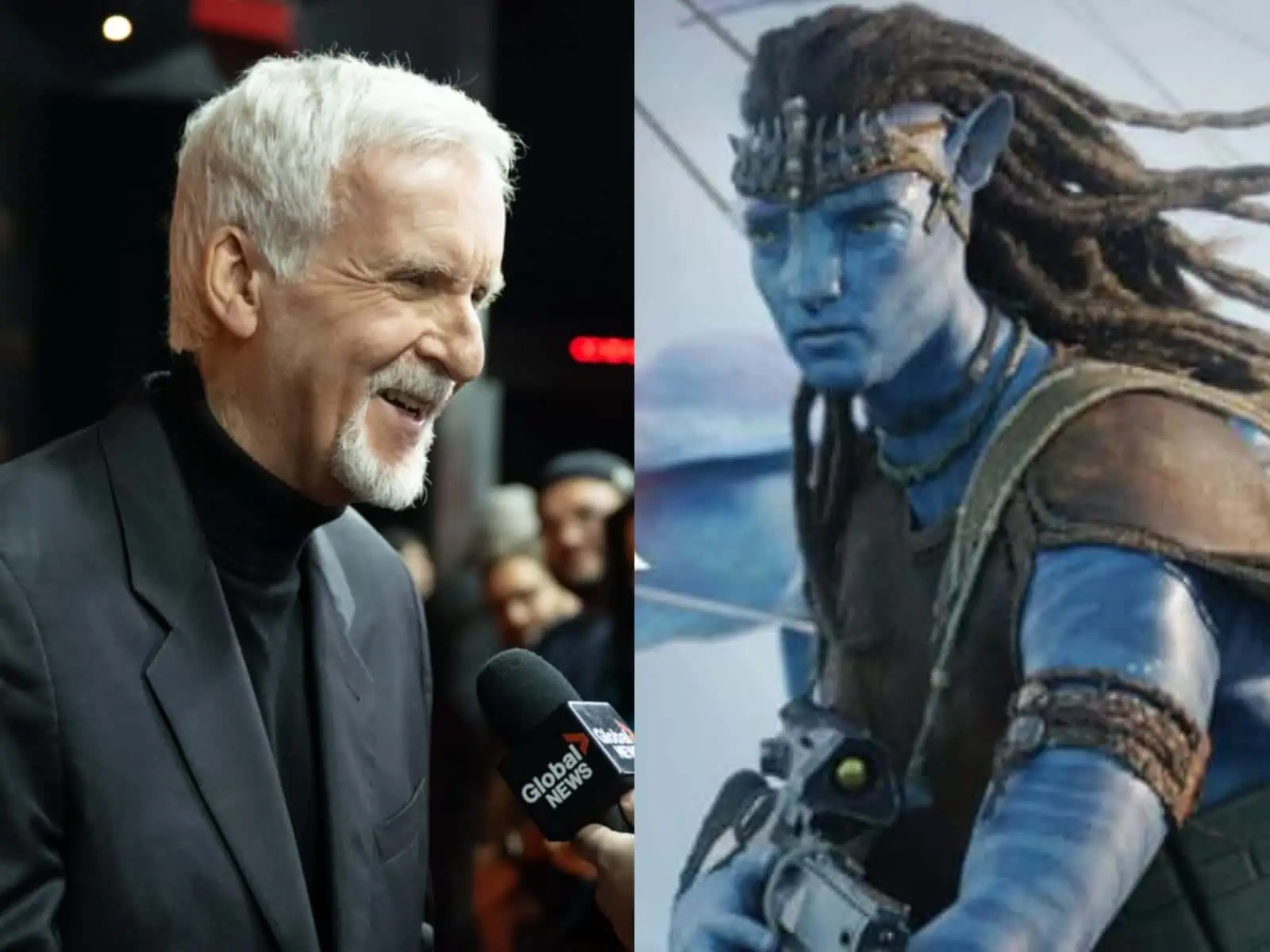
James Cameron’s ambitious tentpole franchise Avatar has returned to theatres with its third installment, Avatar: Fire and Ash, which released worldwide this Friday. While the first two films emerged as historic box office juggernauts, the latest chapter has opened to mixed reactions from audiences and critics, with its final box office fate expected to become clearer in the coming days.
In Fire and Ash, Cameron expands the world of Pandora further by introducing the Mangkwan, a brutal and aggressive clan that inhabits the volcanic regions of the planet. The new faction adds a darker and more violent layer to the narrative, moving away from the aquatic setting explored in Avatar: The Way of Water.
James Cameron has long maintained that the Avatar saga is designed as a five-film series. The fourth installment is already partially filmed, and production is expected to resume now that the third film has reached theatres—three years after the release of the second part.
However, Cameron himself appears unsure about when Avatar 4 will be ready for release. When asked about its timeline in a recent interview with a leading Hollywood publication, the filmmaker responded with a sarcastic metaphor:
“I’m gonna pose a metaphor to you: when a woman is in labour, she’s just crowning, would you ask her about her next child? Okay, I just delivered this thing.”
The comment has since gone viral on social media, reflecting both the massive anticipation surrounding the franchise and the pressure Cameron faces to sustain momentum. Despite the mixed word-of-mouth for Fire and Ash, industry observers believe that strong worldwide collections are still possible, driven by audiences who continue to admire the franchise’s visual spectacle and technical innovation.
That said, planning a five-film saga remains a significant creative and commercial risk, even for a filmmaker of Cameron’s stature. Concerns are growing among sections of the audience about franchise fatigue, with repeated themes, settings, and narrative structures potentially reducing excitement rather than building it. The fact that major portions of future sequels have already been filmed has only intensified these debates.
Looking ahead, Cameron faces two major choices: reinvent the franchise by exploring an entirely new world or narrative direction, or potentially conclude the saga earlier than planned and move on to other projects. While it is too early to judge the long-term future of Avatar, the reception to Fire and Ash may prove crucial in determining the path forward for one of cinema’s most ambitious franchises.









Age Gap Debate: Ashika Ranganath Says Role Matters More Than Co-Star’s Age
The age gap between actors and actresses has emerged as one of the most debated topics among film audiences in recent times. In the early decades of cinema, especially during the early 20th century, significant age differences between leading men and women were widely accepted. Actresses were often much younger than their male counterparts, and such casting choices rarely faced criticism due to the social norms and cinematic conventions of that era.
However, audience sensibilities have evolved over time. With changing mindsets and greater awareness, large age gaps in on-screen pairings—particularly involving senior stars and much younger actresses—have begun to draw criticism from certain sections of viewers, who find such combinations unrelatable or visually unappealing. Within the film industry itself, opinions remain divided. While some artistes view casting purely as a professional decision driven by storytelling, others have openly expressed discomfort with pronounced age differences.
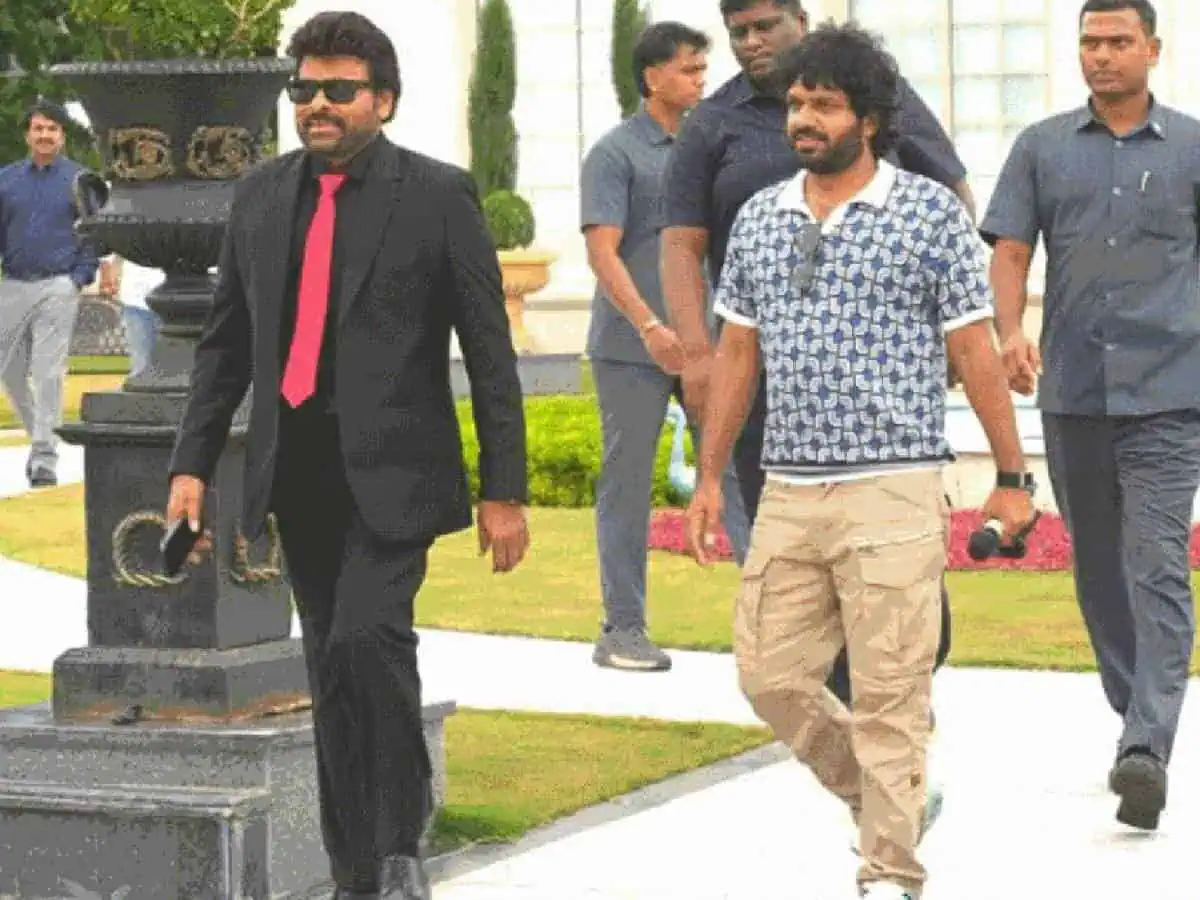
Kannada actress Ashika Ranganath, who is steadily making her mark in Telugu cinema, recently addressed this issue. Ashika has shared screen space with senior stars like Kalyan Ram, Nagarjuna, Chiranjeevi, and Ravi Teja—actors significantly older than her. Her upcoming Telugu film Bhartha Mahasayulaku Wignyapthi, which stars Ravi Teja, brought the topic back into discussion during a press meet held on Saturday.
Responding to a question on age-gap criticism, Ashika shared her perspective, stating that she approaches her work purely from an actor’s point of view. She emphasized her focus on versatility rather than the age of her co-stars. According to her, while she portrayed a young and modern character in Bhartha Mahasayulaku Wignyapthi, her role in Naa Saami Ranga alongside Nagarjuna demanded a more mature portrayal. Ashika stressed that her primary concern is how well a character fits her and how effectively she can contribute to the story, irrespective of whether the film stars a young or senior hero.
Actress Dimple Hayathi, who was also present at the event, echoed similar sentiments. She stated that age differences do not influence her choices, adding that working with experienced actors offers valuable learning opportunities. Such views are not new in the industry. Several actresses have previously expressed comparable opinions, emphasizing performance and storytelling over age considerations. More recently, actor Karthi, who was paired with Kriti Shetty in Vaa Vaathiyaar, also remarked that he prioritizes characters and narrative depth rather than age while selecting his roles.