








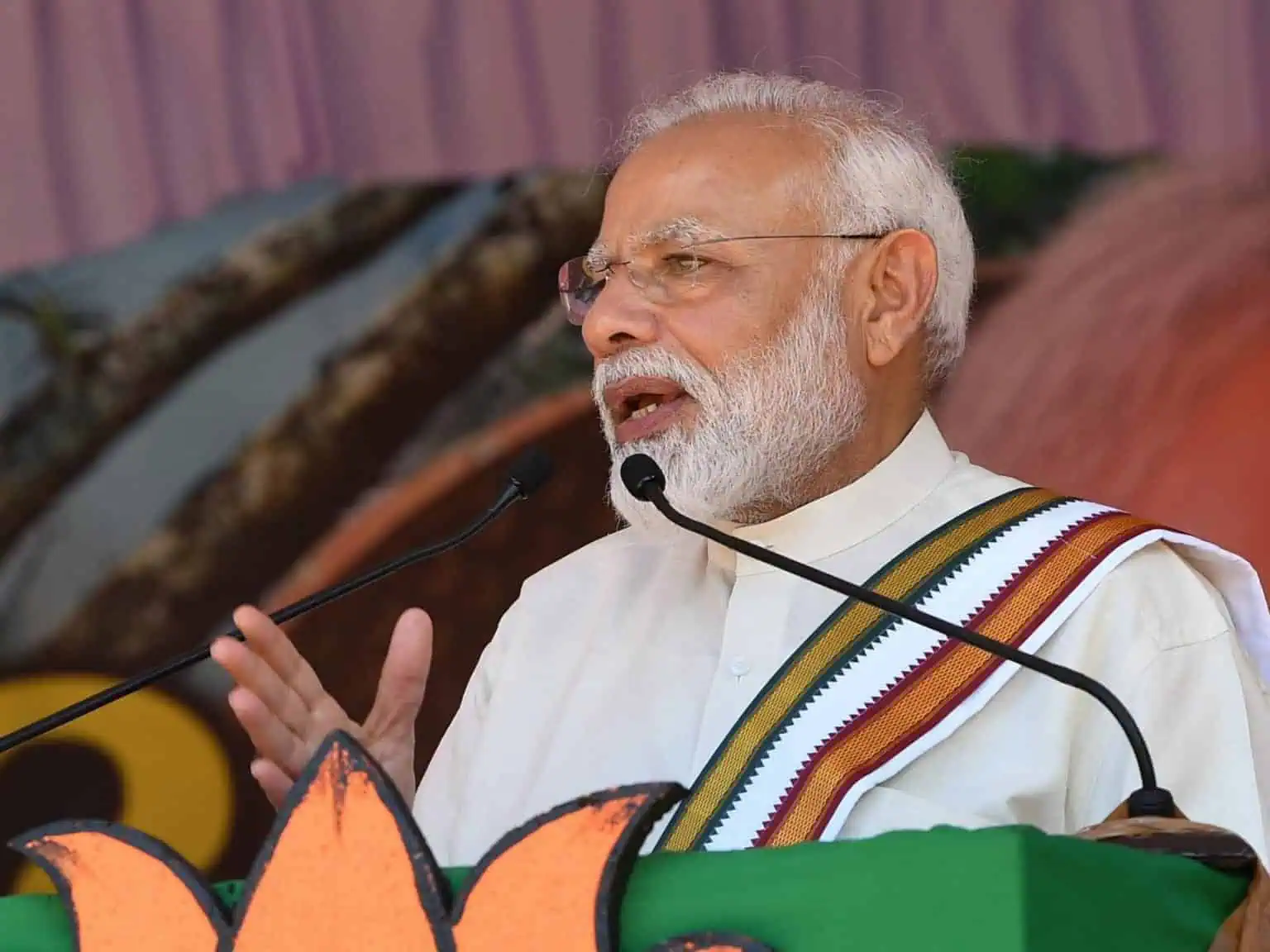
For the first time in Kerala’s political history, the BJP-led National Democratic Alliance (NDA) has secured control of the Thiruvananthapuram Municipal Corporation, ending over four decades of uninterrupted Left Democratic Front (LDF) dominance in the state capital.
The NDA won 50 seats in the 101-member civic body, comfortably crossing the majority mark. The ruling CPI(M)-led LDF finished a distant second with 29 seats, while the Congress-led United Democratic Front (UDF) managed 19 seats. Two seats were won by Independents.
The result marks a major breakthrough for the BJP in Kerala, coming close on the heels of actor-turned-politician Suresh Gopi’s landmark Lok Sabha victory from Thrissur. Thiruvananthapuram has long been considered a stronghold of the Left, and the NDA’s success here signals a significant shift in urban voting patterns.
The victory is expected to strengthen the BJP’s momentum ahead of the upcoming Kerala Assembly elections. Party leaders are now turning their focus to urban constituencies such as Nemom, Vattiyoorkavu, and Kazhakkoottam, all of which fall within the Thiruvananthapuram Corporation limits.
In the 2024 Lok Sabha elections, Congress leader Shashi Tharoor retained the Thiruvananthapuram seat, defeating BJP candidate Rajeev Chandrasekhar by a notably narrow margin—an outcome that, in hindsight, hinted at the BJP’s growing urban support base.
However, despite its strong showing in the capital, the BJP failed to replicate similar success in other urban centres and rural regions during the ongoing local body elections across Kerala.
Political observers note that Thiruvananthapuram district’s comparatively higher Hindu population has historically made it a key area for the BJP’s expansion strategy. The party’s growth in the corporation has been steady: from just six councillors in 2010, it rose to 35 in 2015, dipped slightly to 34 in 2020, and has now peaked with the NDA clinching full control of the civic body—underscoring the changing political dynamics in Kerala’s capital.









Thaman Opens Up on Toxic Competition in Telugu Film Industry
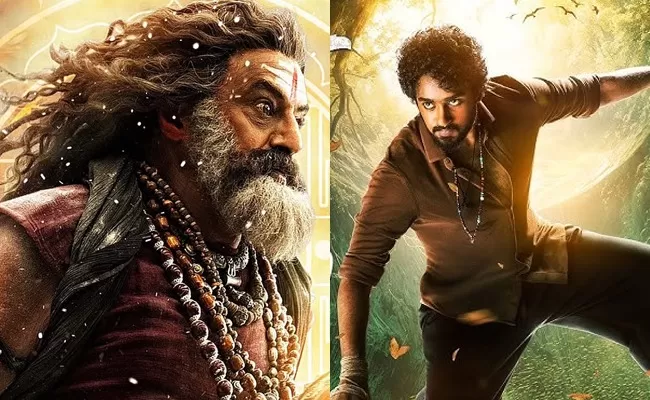
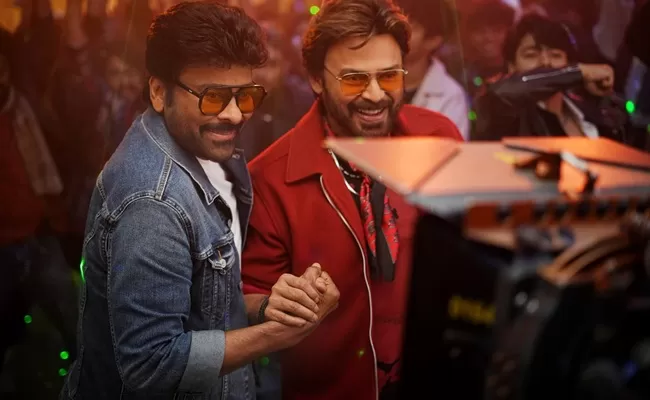
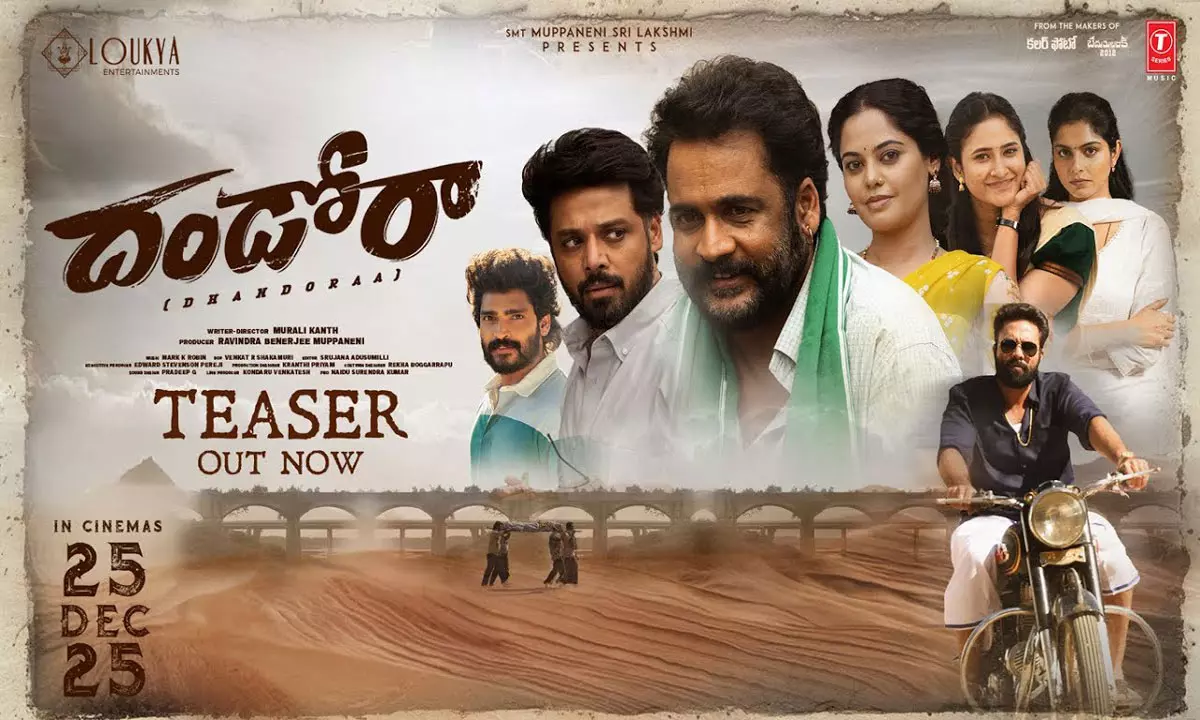
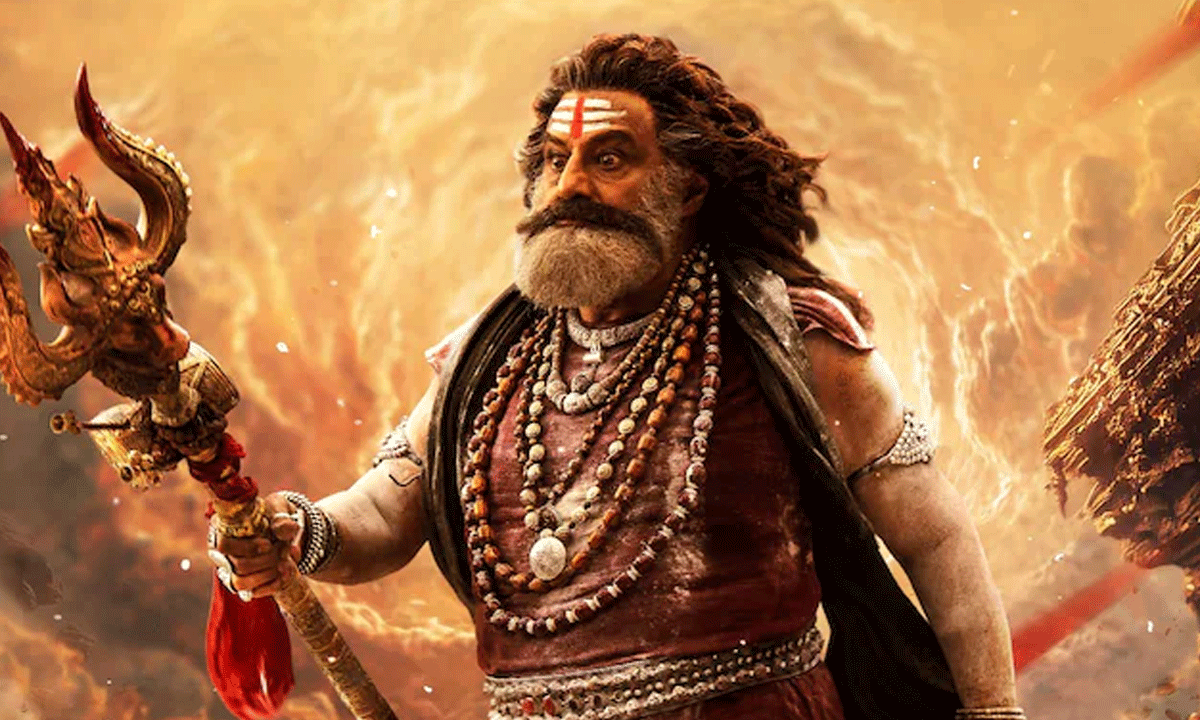
S Thaman, currently one of the busiest music composers in Indian cinema, has spoken candidly about what he describes as increasing toxicity within the film industry, particularly in Telugu cinema. The composer, who has delivered eight releases this year alone—including Game Changer, Daaku Maharaaj, They Call Him OG, and the recently released Akhanda 2—shared his views during a promotional interview for Akhanda 2.
Reflecting on how success is perceived in the industry today, Thaman said genuine appreciation has largely disappeared. He observed that acknowledging others’ work has become rare and that backstabbing has become common practice. According to him, when he is approached for a project, another music director often intervenes by offering to do the same film for significantly lower remuneration, a trend he termed unhealthy and discouraging.
Thaman also pointed out that other film industries display a stronger sense of unity compared to Telugu cinema. Drawing a comparison, he noted that composers like Anirudh can easily work across industries, including Telugu films, whereas he finds it difficult to secure projects in Tamil cinema due to a preference for local talent. He added that Telugu cinema has consistently welcomed composers from other languages, a gesture he feels is not always reciprocated.
Clarifying that he is not complaining, Thaman said he enjoys working in a competitive environment. He named composers such as GV Prakash and Anirudh from Tamil Nadu, Ravi Basrur and Ajanesh Loknath from Karnataka, and Gopi Sundar and Jakes Bejoy from Kerala, all of whom are actively contributing to Telugu cinema. He said he is happy to be part of such a diverse creative space.
However, Thaman made a strong observation about remuneration practices, alleging that some composers who do not earn even lakhs in their home industries are being paid crores in Telugu cinema. He claimed that such individuals work purely for financial gain rather than out of passion for Telugu films, often using PR agencies to secure projects and sharing a portion of their fees with them.
Speaking about his own earnings, Thaman revealed that most of the budget allocated to him is spent on music production, including payments to singers and technical teams. He said he takes home very little from film projects and that his primary personal income comes from live performances. Thaman is currently working on The Raja Saab, Idhayam Murali, and NBK 111.