









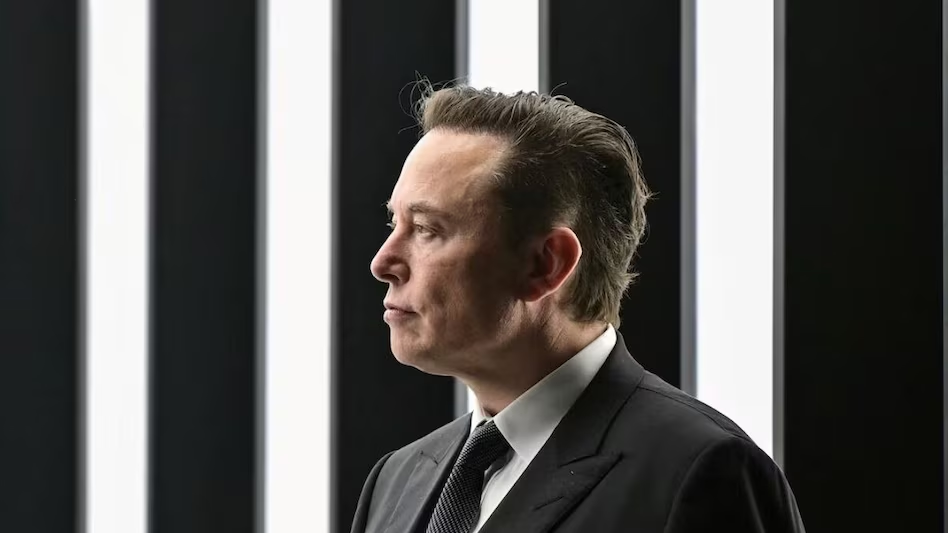
Elon Musk has reignited the national debate over America’s labour shortages, particularly in physically demanding sectors, after asserting that the US no longer has enough people willing or able to take up such jobs. His comment, made during an online discussion about workforce gaps, quickly drew political and public backlash.
The debate intensified following Ford CEO Jim Farley’s revelation that the company is struggling to fill 5,000 mechanic positions offering salaries of $120,000 annually. The disclosure has fed into wider concerns voiced by industry leaders who say Americans increasingly “lack several skills” required across core industries.
Trump Reaffirms Support for H-1B Amid Worker Raids
Adding fuel to the controversy, President Donald Trump said in a FOX News interview that the US “will not terminate” the H-1B programme, arguing that the country continues to rely on foreign talent. He cited recent raids involving South Korean battery workers as evidence of ongoing skill shortages, stressing that these roles “require expertise currently lacking among American workers.”
Despite imposing a $100,000 fee on companies hiring foreign workers through H-1B, the administration appears unlikely to phase out the programme due to Silicon Valley’s continued dependence on specialised STEM talent. The mixed messaging has left businesses and workers questioning the government’s long-term plan.
Musk’s Comment Sparks Online Pushback
Responding to Farley’s concerns, Musk wrote on X: “America has a major shortage of people who can do challenging physical work or who even wish to train to do so.” His post drew heavy criticism, with many accusing him of echoing corporate narratives that misrepresent the realities faced by American workers.
One user countered Musk’s claim with a personal account: “You’re wrong. My white 22-yr-old son has been begging for this kind of work for the past 6 months… He is about to finish trade school… Can’t even get an interview with Walmart.”
Another user argued that the issue is not a shortage of American workers, but suppressed wages and diminishing employer loyalty: “We can’t find American workers to do challenging physical work at suppressed wages, therefore we must import cheap foreign labour with no exit options or bargaining power.”
As industry leaders, policymakers, and the public clash over the root causes of the labour gaps, the debate over the future of H-1B and American workforce development continues to intensify.










Ravi’s Arrest Sparks Outrage: Public Questions Film Industry’s Role in High Ticket Prices
It is known that iBomma operator Emandi Ravi has been arrested and is currently being interrogated. Hyderabad City Commissioner C. V. Sajjanar held a press conference alongside prominent film personalities such as Chiranjeevi, Nagarjuna, Dil Raju, and Suresh Babu. They addressed concerns around online piracy, the impact on the industry, and the warnings that must be conveyed to the public.
Surprisingly, a massive wave of public support has emerged for Ravi on social media. Images and comments have portrayed him as a hero, including a viral picture of a policeman unable to beat him because he is “addicted to films on his piracy site.” Many users expressed frustration over high theatre prices and the escalating cost of moviegoing. They argued that families are burdened by expensive tickets and overpriced snacks, making legal entertainment unaffordable for many.
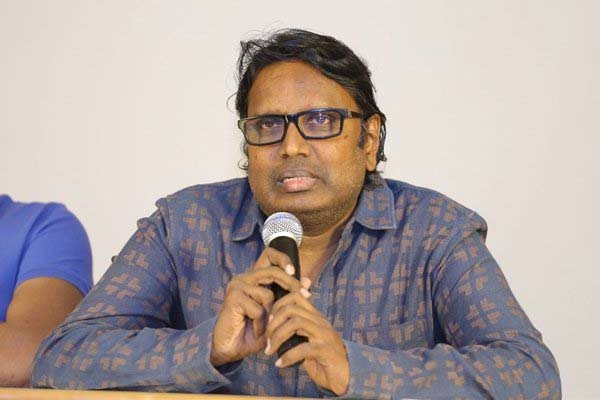
At the same press meet, director S. S. Rajamouli reportedly stated that Ravi is not doing any “sanga seva.” This comment sparked strong reactions online, with many questioning whether Rajamouli himself does any service for the public. Several pointed out that he is widely criticized as one of the key figures responsible for extreme ticket hikes and the commercialization of cinema that has placed a heavy financial burden on viewers. People argued that nearly 70% of a film’s budget now goes toward the remuneration of big stars and directors, including Rajamouli himself. Many commented that if he truly wishes to perform “sanga seva,” he should start by reducing his and his heroes’ remuneration, create quality films within reasonable budgets, and ensure ticket prices are affordable for the common public. In their view, asking why Ravi is not doing sanga seva is ironic when the industry itself has not demonstrated such service.
Meanwhile, online reactions continued. Some users insisted that Ravi is doing more for the poor than the film industry ever has, claiming he provides access to entertainment for those who cannot spend ₹300–₹500 per ticket. Many contrasted this with OTT platforms available to the wealthy while the poor rely on sites like iBomma. Others reminisced about scenes from movies like Tagore, stating that society is supporting Ravi because they see him as someone fighting for the common man. Comments described him as a real hero compared to actors who earn crores yet contribute little to public welfare. Many lamented that good people never get good days, arguing that Ravi, who helped the common man, is arrested while those involved in larger scams or political injustices continue to thrive.
Authorities, however, warned against the romanticization of piracy. Police officials highlighted that piracy websites not only cause massive financial losses to the film sector but also pose severe cyber risks, as user data is often sold on the dark web. They reiterated that although families turn to piracy due to the high costs and pressures of theatre visits, piracy cannot be justified. It harms creators, weakens the entertainment ecosystem, and endangers user privacy.
Ultimately, the press conference revealed a deep disconnect between public sentiment and industry expectations. While the film industry accuses piracy of causing losses, the public counters that unaffordable ticket prices, inflated budgets, and disproportionate remunerations are what push people toward platforms like iBomma in the first place. The debate continues to grow, fueled by frustration, economic reality, and the widening gap between common audiences and the industry that claims to serve them.