





Page 8

Apple iPhone Fold Leak: 3 Major Design Changes Revealed

Share


Apple is reportedly preparing to enter the foldable smartphone market with its first-ever device, likely to be called the iPhone Fold. While the official launch timeline remains uncertain, multiple leaks and reports suggest that development is in advanced stages, with key design and feature details now emerging online.

According to industry reports, the iPhone Fold is expected to introduce three major design changes that set it apart from Apple’s traditional iPhone lineup.

One of the most notable changes is the introduction of a punch-hole front camera placed at the top centre of the display. This marks a potential shift away from the Dynamic Island design seen in recent iPhones. However, reports also suggest that Face ID may be absent in this model, with Apple possibly opting for a Touch ID sensor instead.

Another major highlight is the display structure. Unlike conventional iPhones, the foldable device is expected to feature a wider front screen that unfolds into a short, extra-wide internal display. The overall design is said to resemble a compact notebook-style form factor rather than a standard smartphone layout.

The third rumored change involves the removal of physical buttons on the left edge of the device. This means the traditional volume controls and Action Button may be repositioned or redesigned to accommodate the foldable hinge mechanism more efficiently.

In addition to these changes, the iPhone Fold is expected to feature a titanium and aluminium build, offering a slimmer profile, improved durability, and a nearly crease-free folding display supported by a refined hinge system.

Ajay Devgn–Om Raut Reunion Film on Unsung Maratha Warrior in the Works

Share


Ajay Devgn and director Om Raut are reportedly gearing up for a reunion after the massive success of Tanhaji: The Unsung Warrior, sparking strong buzz among fans of historical dramas.

Industry sources suggest that the duo is in advanced discussions for a new ambitious project that will once again explore the story of an unsung Maratha warrior. Ajay Devgn, who had been waiting for a powerful script in the same space, is said to have immediately approved the idea when Om Raut presented the narrative.

The film is currently in the development stage, with detailed discussions underway regarding its scale, budget, and production design. Ajay is reportedly keen on mounting the project on a grand scale while ensuring cost efficiency. Interestingly, his VFX company NY VFXWala is expected to play a key role in crafting the film’s visual world, promising high technical standards.

Multiple creative meetings have already taken place between the actor and director, and both are said to be aligned on the core vision of the project. For Om Raut, this film is being seen as an opportunity to return to grounded, rooted storytelling, a space where he previously delivered major success.

After facing heavy criticism for Adipurush, Om Raut is now looking to make a strong comeback. While an official announcement is still awaited, the reunion of Ajay Devgn and Om Raut is already generating excitement as another potential large-scale historical spectacle celebrating Maratha bravery and legacy.

Kata Srinivas Goud | కాంగ్రెస్ నేత కాటా శ్రీనివాస్ గౌడ్ ఇంటి వద్ద ఉద్రిక్తత..!

Share

Kata Srinivas Goud | కాంగ్రెస్ నేత కాటా శ్రీనివాస్ గౌడ్ ఇంటి వద్ద ఉద్రిక్తత..! – TV9

Miracle at Chiranjeevi’s House:చిరంజీవి ఇంట్లో అద్భుతం..హనుమాన్ విగ్రహాన్ని తాకిన సూర్యకిరణాలు

Share

Miracle at Chiranjeevi’s House:చిరంజీవి ఇంట్లో అద్భుతం..హనుమాన్ విగ్రహాన్ని తాకిన సూర్యకిరణాలు

Telangana Theatre Percentage System Dispute Escalates Ahead of Big Releases

Share


A day ahead of the release of two major films, Biker and Rakasa, Telangana exhibitors have once again raised the long-pending issue of the percentage revenue-sharing system in theatres.

In a significant development, 23 single-screen theatre owners have issued a press note announcing that they will henceforth operate only under a percentage-based model. As per the proposed structure, exhibitors demand a 60% share in the first week, 50% in the second week, and 40% in the third week, with one-show housefull collections considered as holdover gross. They also stated that this system will be implemented across the state in a phased manner.

While major theatre stakeholders like Suniel Narang, Sirish Reddy, and Bobby (Geetha) have reportedly agreed to the proposal, Mythri Sasi has opposed it, citing concerns over the impact on big-budget films under their distribution.

The percentage system debate is not new. It first emerged in East Godavari last year and gradually spread to other regions. Although producers initially rejected the idea, tensions eased temporarily after discussions involving leading industry figures.

Exhibitors argue that the current rental model has become increasingly unsustainable, especially as distributors often switch to percentage terms once films underperform after the first Monday. They claim this results in an uneven risk-sharing structure, where exhibitors bear losses while receiving minimal returns when films fail.

On the other hand, producers remain hesitant to fully adopt the percentage system, stating that it would significantly reduce their share, particularly during the crucial first weekend. With non-theatrical revenues also weakening and theatre footfalls declining, they argue that the financial pressure is already high.

The SVC Group, a strong supporter of the percentage model, has reportedly pushed the issue ahead of the release of Toxic, while industry observers note that the timing also coincides with Mythri’s upcoming big release Peddi, adding further tension to the situation.

With both sides standing firm, the dispute has once again brought uncertainty to the theatrical business. While distributors of the upcoming films are expected to feel the immediate impact, industry insiders warn that if the issue escalates further, it could even lead to temporary theatre shutdowns until a resolution is reached.

Satya Steals the Show in Jetlee Promo Song “Satya Is Not Jetlee”

Share


Actor-comedian Satya, who recently impressed audiences with his dance skills in Mathu Vadalara 2, is once again grabbing attention with his energetic performance in his maiden lead-actor film Jetlee, directed by Ritesh Rana.

The promotional song titled “Satya Is Not Jetlee” has been composed by Kaala Bhairava, delivering a playful, thumping track that blends swagger with electronic beats. Lyricist Sai Somayajulu adds a quirky touch that perfectly matches Satya’s offbeat screen persona.

Playback singer Sravana Bhargavi elevates the song with her dynamic and rhythmic delivery, adding energy and texture to the composition.

Choreographer Vijay Polaki has designed vibrant, youthful dance moves that stand out in visually rich, high-colour sets. Actress Rhea complements the performance with her screen presence, but it is Satya who steals the spotlight with his fluid movements, sharp footwork, and effortless swag.

His confident dance performance once again highlights his versatility, proving that he is more than just a comedian. As the film’s release approaches, the song serves as an exciting teaser, hinting that Jetlee could be one of Satya’s most entertaining and energetic outings to date.

Wipro Launches AI-Native Unit, Boosts AI Push with Leadership Changes

Share


Indian IT major Wipro is making a bold push into artificial intelligence with the launch of a new dedicated division called the “AI-Native Business and Platforms Unit.” The move marks a strategic shift for the company as it moves beyond traditional IT outsourcing and focuses on delivering scalable, reusable “services as software.”

As part of this transformation, Wipro has appointed Nagendra Bandaru as the CEO of the new AI unit. Bandaru, a veteran with over three decades at the company, previously served as President and Managing Partner of Technology Services Global Business Lines (GBLs). In his new role, he will report directly to Wipro CEO and Managing Director Srini Pallia.

To fill his previous position, Wipro has named Kanwar Singh as the new President and Managing Partner of Technology Services GBLs. Singh joins from Accenture, where he held key leadership responsibilities and is expected to play a broader role in strengthening Wipro’s technology services portfolio.

The newly formed AI-Native Business and Platforms Unit will focus on scaling enterprise-grade agentic AI solutions for global clients. Wipro plans to integrate several of its existing intelligence platforms—such as NetOxygen for AI-driven lending, CROAMIS for aviation cargo, healthcare platforms IHS and HPS, and telecom AI offerings—into a unified AI ecosystem.

The company aims to develop new AI-powered products and services through an “invest-build-partner” model, where it invests in emerging ideas, builds AI solutions, and collaborates with external partners to accelerate innovation.

According to CEO Srini Pallia, this strategy will help Wipro scale AI-led platforms faster and unlock new growth opportunities in the evolving technology landscape.

Alongside these developments, Wipro also confirmed that Suzanne Dann, Chief Executive of the Americas-2 Strategic Market Unit, will exit the company on May 3, 2026, as part of broader leadership restructuring aligned with its AI-focused transformation.

Farmers Faced Violence During Capital Agitation | Ram Mohan Naidu

Share

Farmers Faced Violence During Capital Agitation | Ram Mohan Naidu

Vijay Deverakonda’s Heartfelt Reply to “First Fan” Goes Viral

Share


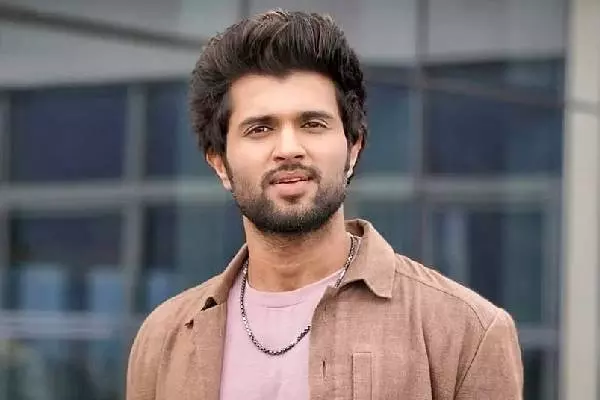
Young actor Vijay Deverakonda recently shared a warm and heartfelt interaction with a fan on Instagram, which quickly went viral across social media platforms.

The moment began when fan Vyshnavi Nitish posted an Instagram Reel, sharing an old photograph and a birthday wish screenshot, claiming she had been supporting Vijay even before he entered the film industry. She affectionately asked whether she could call herself his “first fan”.

Responding to the post, Vijay replied with a heart emoji and expressed gratitude to her as well as all his early supporters, describing them as “special”. His simple yet meaningful response won over fans and was widely appreciated online for its humility and warmth.

The interaction resonated strongly with audiences as it highlighted the bond between celebrities and their earliest supporters, especially those who stood by them before fame. Many fans praised Vijay for acknowledging long-time admirers, calling it a refreshing and genuine gesture in an era of increasingly transactional fan interactions.

However, as the Reel gained traction, some social media users questioned its authenticity, alleging that the exchange could have been manipulated using AI. Addressing the speculation, Vyshnavi clarified that the birthday wish screenshot was taken from an active Facebook post and was not artificially generated. She also pointed users to her Instagram highlights for verification and confirmed that the old photograph dates back to 2014, before Vijay’s breakthrough in films.

Vijay Deverakonda began his career with small roles in films such as Nuvvila and Life Is Beautiful, before gaining recognition with Yevade Subramanyam and Pelli Choopulu. His career-defining moment came with the 2017 blockbuster Arjun Reddy, which catapulted him to nationwide fame and established him as one of the most popular young stars in Indian cinema.

USCIS to Revamp Form I-129 from April 1, 2026

Share


Starting April 1, 2026, the U.S. Citizenship and Immigration Services (U.S. Citizenship and Immigration Services) will roll out a revised version of Form I-129, which is a crucial document for non-immigrant worker visa petitions. This update will affect multiple visa categories, including H-1B, L-1, O-1, and others, making it an important change for employers and applicants.

From the implementation date, only the 02/27/27 edition of Form I-129 will be accepted, while the older 01/20/25 version will be rejected if submitted on or after April 1, 2026. However, applications filed on or before March 31 will still be processed using the older form without issues.

The update is part of a broader effort by U.S. Citizenship and Immigration Services to streamline and tighten the visa petition process. One of the key changes involves the H Classification Supplement, which has been revised to align with the upcoming wage-weighted lottery system scheduled for fiscal year 2027.

Under the new requirements, employers will need to provide more detailed information about job roles, including work locations, employment history of the beneficiary, and immigration background details. They will also be required to specify minimum job qualifications, the relevant field of study, and wage levels as determined by the Labour Condition Application (LCA). These changes are expected to increase transparency and improve compliance while also making the petition process more structured and detailed for all stakeholders involved.

New Zealand to Launch Fully Digital Visa System from June 1, 2026

Share


New Zealand is set to significantly upgrade its visa processing system with a full transition to a digital platform beginning June 1, 2026. The change will primarily impact certain temporary visa categories, especially applications related to family members of temporary visa holders, as Immigration New Zealand (Immigration New Zealand) moves them to its enhanced online system.

The reform is part of a broader effort to modernize immigration services and make the application process faster, simpler, and more efficient for users.

Shift to the New System

From June 1 onward, applications for dependent children, partners, and family members linked to student, work, and military visa holders will be processed exclusively through the upgraded Immigration Online platform. New submissions in these categories will no longer be accepted via the old system.

Applicants who have already submitted their forms through the existing platform will not be affected, and their applications will continue to be processed normally. Those who have partially completed applications will have the option to either finish them in the old system or restart them on the new platform.

Other family-related visa categories will be gradually migrated in later phases.

Key Improvements for Applicants

The new system is designed to improve user experience by offering clearer instructions, fewer delays, and better tracking of application status. It will also feature a dynamic application form that adjusts based on individual profiles, ensuring applicants are only asked relevant questions.

One of the major upgrades is the introduction of an Identity Document Reader, which can scan passport details and automatically fill in application forms. This is expected to reduce manual errors and speed up processing times.

The platform will also help applicants choose the correct visa type more easily, addressing one of the most common challenges in the current system.

What Happens Next

Immigration New Zealand will provide further updates closer to the rollout date, including detailed guidance on the transition process.

From June 1, all new eligible applications will be automatically routed through the upgraded system, while the old platform will be gradually phased out as more categories are moved online.

Rama | Namit Malhotra’s Ramayana | Nitesh Tiwari | Ranbir, Yash, Hans Zimmer & A.R. Rahman

Share

Rama | Namit Malhotra’s Ramayana | Nitesh Tiwari | Ranbir, Yash, Hans Zimmer & A.R. Rahman

MAVIGUN Row Sparks Fresh Andhra Pradesh Capital Debate

Share


A new political discussion has emerged in Andhra Pradesh after the term “MAVIGUN” began trending on social media, following a proposal linked to the idea of developing a capital region spanning Machilipatnam, Vijayawada, and Guntur.

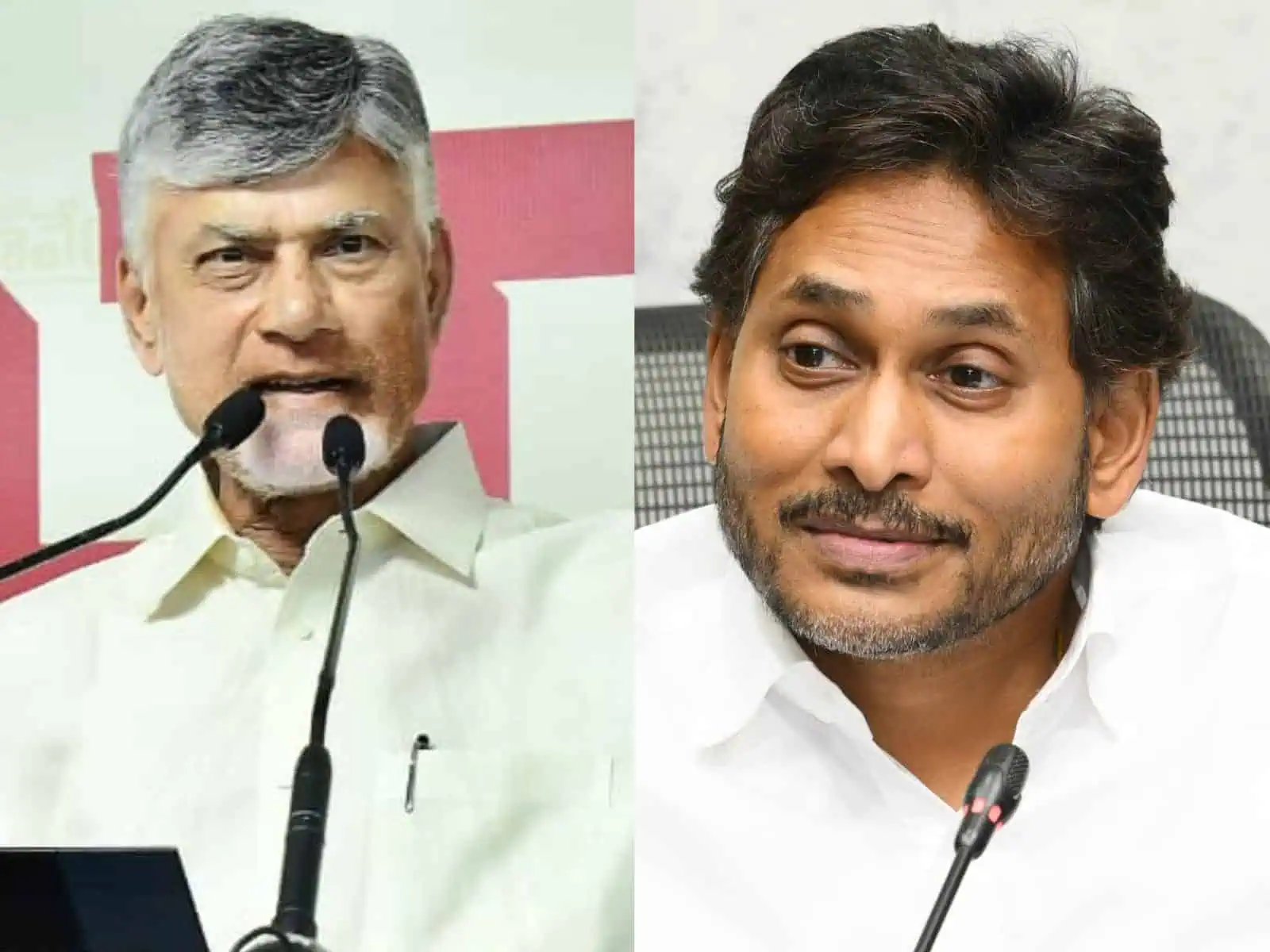
The concept reportedly surfaced after former Chief Minister YS Jagan Mohan Reddy suggested the idea of a capital corridor in this stretch, referring to it as “MAVIGUN,” which quickly sparked debate online and in political circles.

The issue has now drawn a response from current Chief Minister N. Chandrababu Naidu, who reacted strongly to the proposal. He pointed out that no major development was undertaken for the capital region during Jagan’s tenure as Chief Minister and questioned the timing of the new proposal.

Chandrababu also remarked that the stance on Amaravati appeared inconsistent, stating that the region had already been legally established as the capital and should remain the focus of development.

He further suggested that the naming and concept of “MAVIGUN” reflects a diversion from the earlier capital plan, which has long been a politically sensitive issue in the state.

The debate has once again brought the Andhra Pradesh capital issue into the spotlight, with renewed discussions around development priorities and regional planning across Andhra Pradesh.

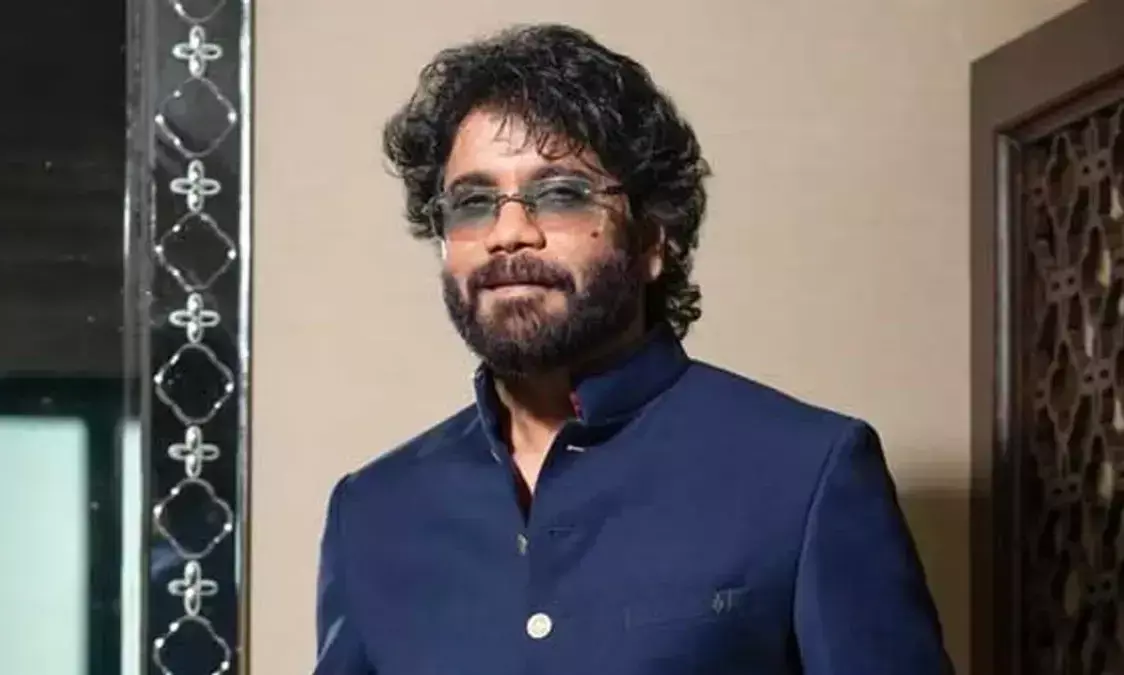
Nagarjuna 100th Film: De-Ageing Tech Raises Curiosity and Concern

Share


The latest buzz surrounding Nagarjuna’s milestone 100th film is generating considerable interest, especially with its mix of commercial elements and emotional depth.

According to reports, the film is being designed as a full-fledged commercial entertainer with a strong father-daughter emotional core. Adding to the curiosity, the makers are planning to use de-ageing technology, showcasing Nagarjuna in multiple age phases — including a youthful look reminiscent of his iconic appearance in Shiva.

While the idea sounds exciting, de-ageing technology has had a mixed track record in Indian cinema. Chiranjeevi experimented with it in Acharya, but the results didn’t receive the desired response. Similarly, Aamir Khan faced criticism for his de-aged look in Laal Singh Chaddha, and Suriya was also trolled for unnatural visuals in his films. These examples have raised concerns about how convincingly such technology can be executed.

This brings the focus back to whether Nagarjuna can make it work. With the backing of Annapurna Studios and access to advanced technical resources, expectations are higher. However, the effectiveness of the de-ageing visuals will be crucial in ensuring that the emotional depth of the story is not compromised.

The film reportedly combines a touching father-daughter relationship with a rags-to-riches narrative, indicating that content will play a key role alongside visual experimentation. If the de-ageing appears artificial, it could impact audience connection despite a strong storyline.

The project, which is yet to be officially announced as Nagarjuna’s 100th film, is said to be directed by Ra Karthik. The cast includes Tabu, Aishwarya Rajesh, and Kannada actress Sushmitha Bhatta in key roles, making it an interesting ensemble to watch out for.

Kerala Model vs Tollywood: Time for a Work Culture Shift?

Share


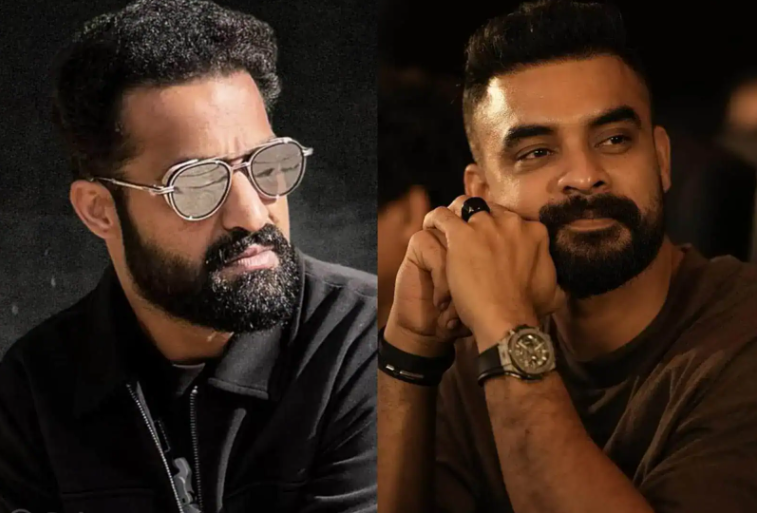
Malayalam actor Tovino Thomas recently revealed that he opted out of Dragon, starring N. T. Rama Rao Jr., due to date constraints — and his reasoning has sparked a broader discussion about filmmaking work cultures.

Tovino explained that the Malayalam film industry follows a very different model. Films are usually shot in a single stretch, allowing actors to complete multiple projects in a year. “We finish a film at a stretch. Doing Dragon would have affected 4–5 other films,” he said, highlighting how tightly packed schedules are managed in Kerala.

This brings up an important debate: which work culture is more sustainable? The Malayalam industry operates on relatively smaller budgets, making it essential to complete shoots quickly and release films without long delays. This helps producers avoid mounting interest costs and scheduling conflicts.

In contrast, Telugu cinema functions on a more complex scheduling system. Apart from the lead actor and director, most technicians and artists juggle multiple projects simultaneously. This makes single-schedule shoots difficult to execute, especially for big films.

However, given the current challenges faced by medium-budget films — including weak theatrical performance and declining non-theatrical revenues — there is a growing argument for adopting a more efficient approach. Completing films in fewer working days and ensuring quicker releases could significantly reduce financial pressure on producers.

There are already signs of change. Actor Ram Pothineni planning multiple projects simultaneously is seen as a positive step toward better time management and productivity.

At the same time, concerns are rising about the slow pace of big stars. Apart from Prabhas, very few are delivering even one film per year. The increasing focus on pan-India projects has led to bigger budgets, but success in other markets—especially Hindi—is far from guaranteed.

Recent examples underline this concern. Chiranjeevi’s Vishwambhara and Prabhas’ Fauji are reportedly facing challenges in securing strong non-theatrical deals. Similarly, The Raja Saab did not generate expected returns or perform significantly in the Hindi market, proving that scale alone doesn’t ensure success.

Industry observers now suggest that stars should aim for at least two films in three years to maintain audience engagement and theatre-going habits. Moreover, pan-India content doesn’t always need to be mounted on massive budgets — strong storytelling can travel just as far.

If reducing remuneration isn’t feasible, actors could consider profit-sharing models by partnering in production. With the next couple of years expected to be challenging, a more cautious and efficient approach is essential.

In this context, taking inspiration from the Kerala filmmaking model may not just be practical — it could be necessary for the industry’s sustainability.

Oracle layoffs : 60 లక్షలమంది ఐటీ ప్రొఫెషనల్స్ కి దడ

Share

Oracle layoffs : 60 లక్షలమంది ఐటీ ప్రొఫెషనల్స్ కి దడ

Old City Youth | పాపం! పాతబస్తీ యూత్!! | Hyderabad

Share

Old City Youth | పాపం! పాతబస్తీ యూత్!! | Hyderabad

Payal Rajput Stuns in Saree at Teach for Change Event

Share


Actress Payal Rajput, known for her bold performances in films like Mangalavaaram, turned heads with her elegant yet glamorous appearance at the Teach for Change event.

Draped in a rich maroon and gold silk saree, Payal exuded a regal charm. The saree featured a traditional zari border, adding a classic touch to her look. However, what truly stood out was her contemporary styling. She paired the saree with a daring low-neck blouse featuring a deep plunging neckline, giving the traditional outfit a modern, high-fashion twist.

Complementing her attire, she opted for exquisite emerald and diamond jewelry, which perfectly balanced the boldness of her blouse with a sense of sophistication. Her graceful walk and confident presence made her one of the highlights of the event.

On the professional front, Payal was last seen in Rakshana, which released two years ago but did not perform well at the box office. Since then, she has been waiting for strong opportunities, and fans are eagerly hoping for her big comeback with impactful roles.

Supriya Yarlagadda: AI Is Just a Tool, Not a Threat to Filmmaking

Share


The filmmaking industry is undergoing a major transformation with the rapid rise of Artificial Intelligence (AI). What once required massive budgets can now be achieved at a significantly lower cost, prompting filmmakers worldwide to explore AI-driven tools to bring their visions to life.

However, opinions within the industry remain divided on whether AI will eventually replace traditional filmmaking techniques. Producer Supriya Yarlagadda offers a balanced perspective on this evolving debate.

As the Executive Director of Annapurna Studios, Supriya has been actively investing in advanced filmmaking infrastructure. The studio recently established a state-of-the-art motion capture (mocap) facility in Hyderabad, where key sequences of S. S. Rajamouli’s upcoming epic Varanasi are being filmed.

During a recent interaction, she was asked whether AI poses a threat to such high-end mocap technology. Responding thoughtfully, Supriya emphasized that technology—whether AI, mocap, or traditional film—is ultimately just a tool in the hands of a filmmaker.

“It all depends on the creative mind behind the film,” she explained. “If someone wants to make a film using AI, they can. If they prefer mocap or even traditional film formats, that’s also possible. All these methods can coexist.”

She further highlighted that filmmaking is a “transaction” between the creator and the audience, driven by ideas rather than the tools used. Drawing comparisons, she said audiences would still watch a film by Christopher Nolan made entirely on film without VFX, just as they would enjoy a visually advanced spectacle like Avatar.

According to Supriya, technology should be seen as an enabler, not a replacement. The true essence of cinema, she believes, will always lie in storytelling and the vision of the filmmaker, regardless of the tools used to bring it to life.

Andhra Pradesh | ఏపీలో ‘క్యాపిటల్ లాక్’.. వెరీ ఇంట్రస్టింగ్..

Share

Andhra Pradesh | ఏపీలో ‘క్యాపిటల్ లాక్’.. వెరీ ఇంట్రస్టింగ్..

More Film News

More Political News