






For decades, access to safe drinking water has remained a major concern for the people of East and West Godavari districts. Ironically, despite being home to the Godavari—one of India’s largest rivers—several villages continued to depend on unsafe groundwater sources and tanker supplies, exposing residents to serious health risks.
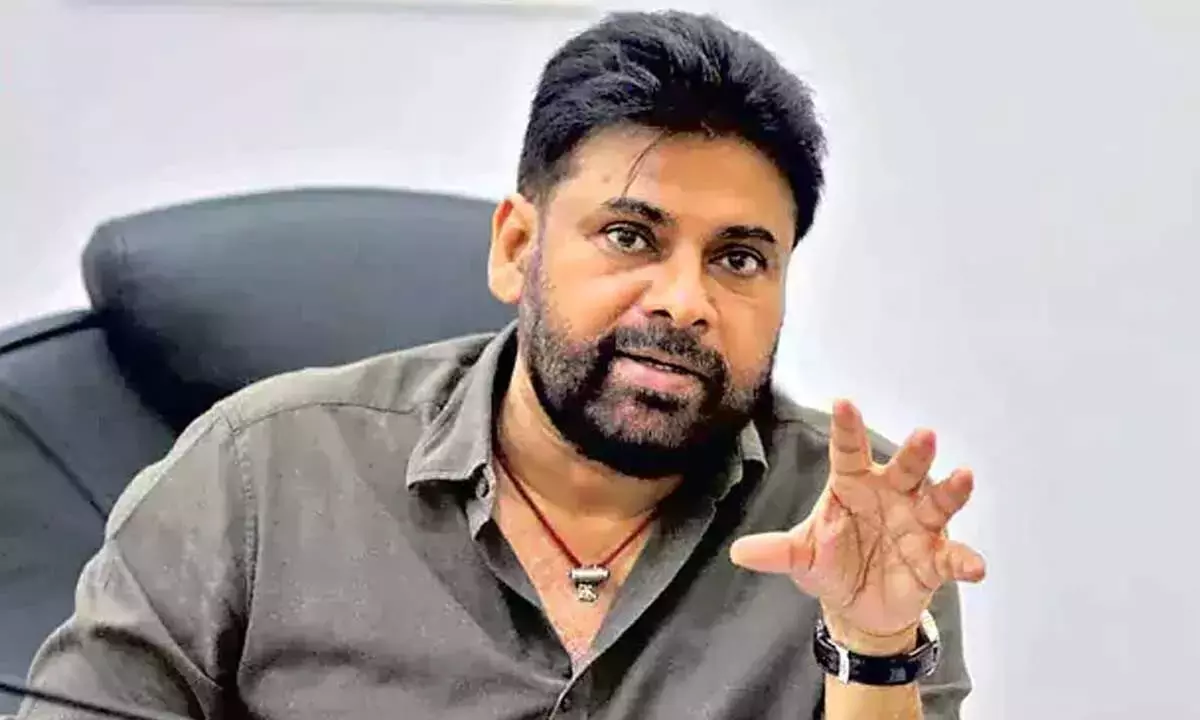
This long-pending issue is now set to be addressed through the Amarajeevi Jaladhara Drinking Water Mission, a flagship initiative envisioned and driven by Andhra Pradesh Deputy Chief Minister and Pithapuram MLA Pawan Kalyan. The project was a key promise he made to the people during the election campaign, and it now stands as a reflection of his governance priorities.
While the project involves massive infrastructure development, its significance goes beyond construction alone. For nearly five years, central government funds earmarked for drinking water projects remained largely unutilized during the previous YSRCP government led by Jagan Mohan Reddy. With deadlines repeatedly missed, there was even a risk that the Centre would withdraw the sanctioned funds altogether.
Following the formation of the new NDA government in the state, Pawan Kalyan moved swiftly. Recognizing the urgency of the situation, he personally took up the matter with the Centre and sought an extension for the pending funds. His efforts paid off. Not only was the extension granted, but thousands of crores were cleared, enabling the project to move forward without further delay. Remarkably, the groundwork and execution were completed within a year of the new government assuming office.
The Amarajeevi Jaladhara Drinking Water Mission aims to supply clean, piped drinking water to lakhs of households across East and West Godavari districts. The initiative is expected to significantly reduce waterborne diseases, lower medical expenses, and ease the daily burden on women, who often spend hours fetching water for their families.
More importantly, the project highlights Pawan Kalyan’s governance approach—identifying long-neglected public issues, acting decisively, and ensuring that allocated public funds translate into real benefits on the ground. A similar approach was evident in his earlier initiatives, including the 100-day action plan focused on repairing roads and improving infrastructure in tribal areas.
For these reasons, many believe that the Amarajeevi Jaladhara Drinking Water Mission stands as a defining achievement of Pawan Kalyan’s leadership, earning him full credit for turning a long-standing promise into a tangible reality.






Age Gap Debate: Ashika Ranganath Says Role Matters More Than Co-Star’s Age
The age gap between actors and actresses has emerged as one of the most debated topics among film audiences in recent times. In the early decades of cinema, especially during the early 20th century, significant age differences between leading men and women were widely accepted. Actresses were often much younger than their male counterparts, and such casting choices rarely faced criticism due to the social norms and cinematic conventions of that era.
However, audience sensibilities have evolved over time. With changing mindsets and greater awareness, large age gaps in on-screen pairings—particularly involving senior stars and much younger actresses—have begun to draw criticism from certain sections of viewers, who find such combinations unrelatable or visually unappealing. Within the film industry itself, opinions remain divided. While some artistes view casting purely as a professional decision driven by storytelling, others have openly expressed discomfort with pronounced age differences.
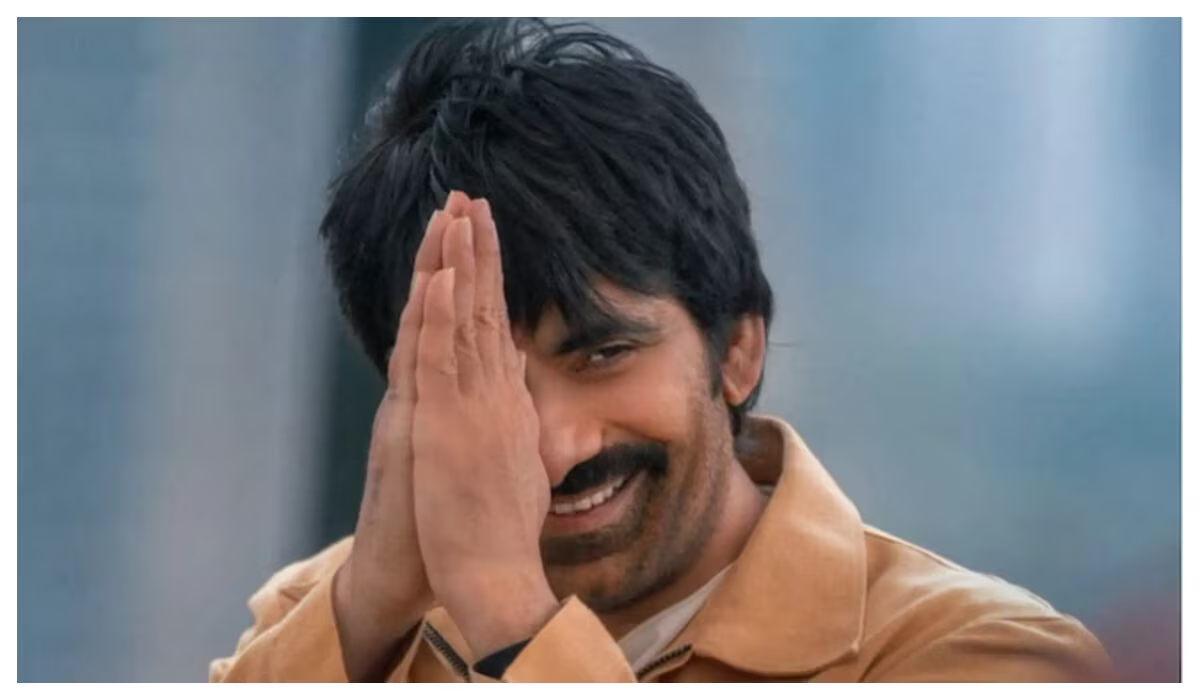
Kannada actress Ashika Ranganath, who is steadily making her mark in Telugu cinema, recently addressed this issue. Ashika has shared screen space with senior stars like Kalyan Ram, Nagarjuna, Chiranjeevi, and Ravi Teja—actors significantly older than her. Her upcoming Telugu film Bhartha Mahasayulaku Wignyapthi, which stars Ravi Teja, brought the topic back into discussion during a press meet held on Saturday.
Responding to a question on age-gap criticism, Ashika shared her perspective, stating that she approaches her work purely from an actor’s point of view. She emphasized her focus on versatility rather than the age of her co-stars. According to her, while she portrayed a young and modern character in Bhartha Mahasayulaku Wignyapthi, her role in Naa Saami Ranga alongside Nagarjuna demanded a more mature portrayal. Ashika stressed that her primary concern is how well a character fits her and how effectively she can contribute to the story, irrespective of whether the film stars a young or senior hero.
Actress Dimple Hayathi, who was also present at the event, echoed similar sentiments. She stated that age differences do not influence her choices, adding that working with experienced actors offers valuable learning opportunities. Such views are not new in the industry. Several actresses have previously expressed comparable opinions, emphasizing performance and storytelling over age considerations. More recently, actor Karthi, who was paired with Kriti Shetty in Vaa Vaathiyaar, also remarked that he prioritizes characters and narrative depth rather than age while selecting his roles.